


China zone across the tunnel gets green light


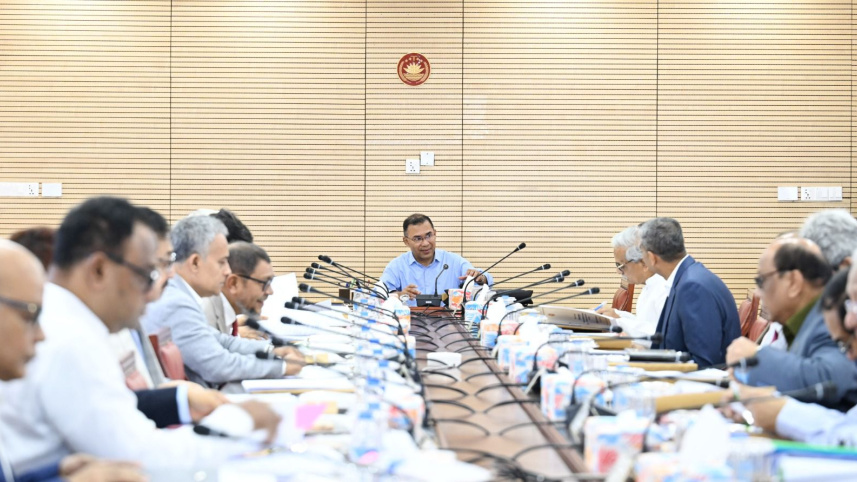
The Executive Committee of the National Economic Council (Ecnec) yesterday approved a Tk 4,189 crore project to build supporting infrastructure for the Chinese Economic and Industrial Zone (CEIZ) in Chattogram’s Anwara.
Policymakers hope the CEIX will become one of Bangladesh’s largest foreign investment hubs, with project documents showing the zone is expected to attract at least $500 million in foreign direct investment and create more than 100,000 direct and indirect jobs once fully operational.

According to Planning Commission documents, Bangladesh sought a $221.18 million loan from China in 2018 for infrastructure development in the zone, and the Chinese government later agreed to finance the project under the its Preferential Buyer’s Credit (PBC) arrangement.
Of the total cost, Tk 1,722 crore will come from government funds, while Tk 2,467 crore is expected to be financed through loans under the PBC facility.
The project, titled Supporting Infrastructure Project for Chinese Economic and Industrial Zone, is likely to be implemented by the Bangladesh Economic Zones Authority (BEZA) between January 2027 and December 2031.
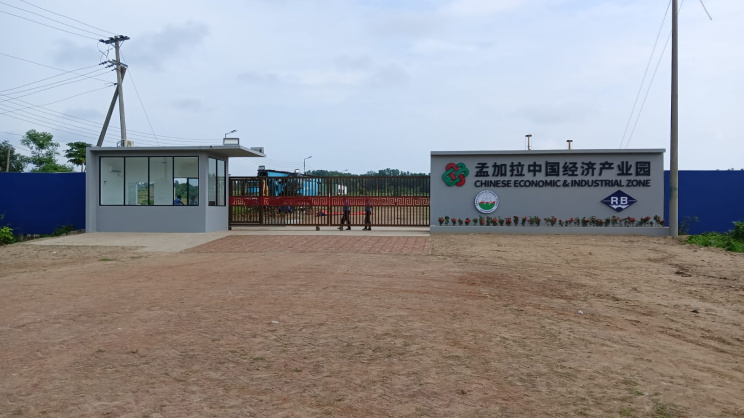
The CEIZ, being developed under a Bangladesh-China cooperation framework, is designed to attract export-oriented manufacturing investment and strengthen Bangladesh’s integration into regional and global supply chains.
Situated in Anwara on the southern bank of the Karnaphuli river, the economic zone enjoys strategic access to Chattogram Port, the Karnaphuli Tunnel and Shah Amanat International Airport, making it an attractive destination for foreign investors.
The Planning Commission said the project would enhance industrial competitiveness, promote export diversification and facilitate technology transfer through increased Chinese investment.
The project includes construction of a multipurpose jetty, connecting roads and a bridge, along with utility infrastructure such as water storage facilities, a gas pipeline, a central effluent treatment plant and waste management facilities.
It also includes two power substations, around 20 kilometres of transmission lines, and nearly 12 kilometres of boundary walls with security gates.
Planning ministry officials said the project would prioritise land development and installation of essential utilities to make the zone investment-ready.
Planning Secretary SM Shakil Akhter said the first phase would focus on roads, power transmission lines and other services required to attract industrial investors.
Beyond attracting investment, the economic zone is expected to improve the commercial viability of the Karnaphuli Tunnel by generating industrial traffic.
Once factories begin operations, increased movement of raw materials, machinery, cargo and workers between Chattogram city, the port and the industrial zone is expected to raise tunnel usage, which has remained well below initial projections.
Mohammad Mohsin Ul Alam Swapan, vice-president of the Chittagong Chamber of Commerce and Industry, said the economic zone would bring significant economic benefits to southern Chattogram.
“The project’s proximity to the Karnaphuli Tunnel will increase tunnel traffic while easing pressure on Chattogram city,” he told The Daily Star.
“In line with the vision of developing a ‘One City, Two Towns’ model, the economic zone is expected to attract not only Chinese investment but also substantial domestic investment in surrounding areas.”
He said investor interest had already begun to grow around the project, with around 100 small and large enterprises purchasing land near the economic zone to establish factories and industrial facilities.
“The economic zone is also expected to accelerate the transformation of Anwara into a major industrial cluster, complementing existing investments in energy, power and manufacturing projects in the area,” he added.
Currently, around 4,000 vehicles use the tunnel daily, far below the projected demand of 18,500–20,700. The tunnel generates approximately Tk 10-11 lakh in toll revenue per day, while operation and maintenance costs stand at Tk 37 lakh to Tk 38 lakh, leaving a daily deficit of around Tk 26 lakh to Tk 27 lakh.
 For all latest news, follow The Daily Star's Google News channel.
 According to BEZA, more than 100 Chinese companies from sectors including leather, light engineering, medical equipment and chemicals have already expressed interest in establishing factories in the zone.
The project has faced years of delays despite land acquisition for the nearly 800-acre zone being completed under bilateral agreements between Bangladesh and China. Infrastructure development was initially assigned to China Harbour Engineering Company, but the two sides failed to finalise an agreement.
In 2022, China Road and Bridge Corporation was appointed as the new developer and later formed a joint venture with BEZA to move the project forward.
Comments