


Sequenced privatisation is next budget’s missing lever

Finance Minister Amir Khosru Mahmud Chowdhury, in April, told parliament that the next two years would be difficult and that many measures might not be popular. The FY27 arithmetic is familiar: Tk 9.30 lakh crore in spending against a Tk 2.35 lakh crore deficit, an NBR shortfall nearing Tk 98,000 crore, a 6.8 percent tax-to-GDP ratio and rising borrowing on a debt path that tightens FY28 and FY29.
In that math, the budget needs a third lever beyond tax and borrowing. The asset side of the government’s balance sheet remains largely unused. Since 1993, about 74 state-owned enterprises have been disposed of, mostly through direct sale rather than market listing. The securities regulator has identified 15 candidates for listing since 2021, including Unilever, Nestlé and several gas and power companies. None has moved.

The case is fiscal, not ideological.
Privatisation delivers what no tax change or borrowing round can. Proceeds are one-time foreign currency at a moment when an IMF facility still has about $1.86 billion undisbursed out of $5.5 billion. The transaction removes recurring subsidies or contingent liabilities from the balance sheet and signals that the state will subject assets to market discipline.
Egypt offers a relevant comparison. Between 2015 and 2018, I worked with the Egyptian Ministry of Finance on structuring its privatisation programme. Egypt faced an IMF programme, foreign currency shortages, and a long list of assets officials said were ready, but investors questioned. The work required cleaning accounts and separating governance from political control before choosing between a strategic sale and a public listing.
Egypt’s progress has been uneven, yet between March 2022 and June 2025, proceeds reached about $5.86 billion. The divestment list has expanded to 35 companies, with eight more preparing for listing. The lesson is simple: a calendar of named assets carries more weight with creditors than an aspirational list.
The United Arab Emirates shows what execution can achieve. In 2017, ADNOC Distribution became the first subsidiary of Abu Dhabi’s national oil company to list and the first IPO on the Abu Dhabi exchange in six years. That transaction was followed by Saudi Aramco, ADNOC Drilling, Fertiglobe, Borouge, ADNOC Gas and ADNOC Logistics and Services. ADNOC-related companies now account for about 18 percent of exchange market capitalisation, compared with almost no direct hydrocarbon exposure before 2017. The shift reflected deliberate sequencing under fiscal pressure.
Bangladesh already has candidates. The banking sector, once stabilised, will need to return institutions to the market within a Bangladesh Bank five-year window for private ownership. Wider state bank reform will require external capital. The energy sector offers a more immediate opportunity. Several listed subsidiaries have audited financial histories and dividend records that investors can assess. The issue is sequencing.
Foreign direct investment remains below 1 percent of GDP, compared with roughly 4 percent in Vietnam, and Bangladesh has never issued an international sovereign bond. Entry barriers and regulatory friction are well known. What shifts investor perception in frontier markets is a visible signal that the state is prepared to part with assets on clear terms. A budget authorised disposal calendar does more than a roadshow.
Three steps would make FY27 credible. First, name two or three FY27 to FY28 candidates with quarterly timetables. A secondary offering of an already listed subsidiary is the simplest start. Second, create a ring-fenced privatisation proceeds account, with clear allocations between external debt service and bank recapitalisation. Third, align the disposal calendar with IMF review milestones and fund a small execution unit within the Finance Division.
The Dhaka Stock Exchange has gone more than two years without a new listing, and the free float is thin. State asset disposal addresses both the budget arithmetic and the bourse. The question for FY27 is whether privatisation becomes a revenue strategy or remains a footnote.
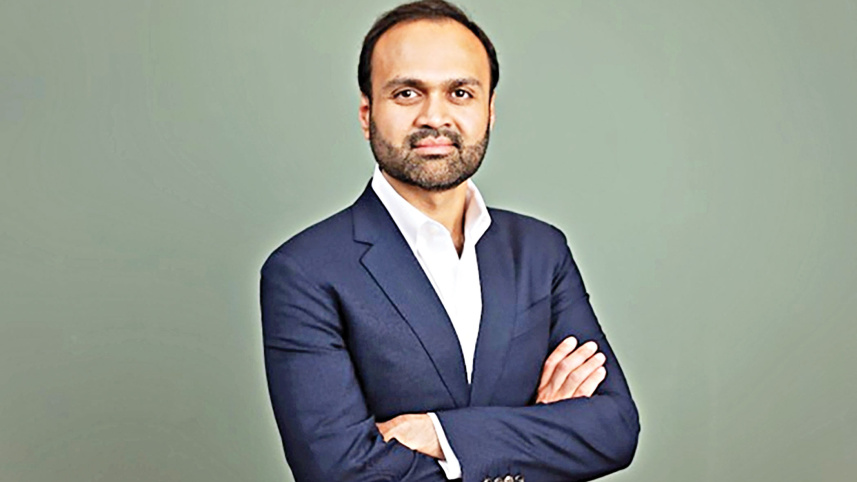
The writer is an investment banker and managing director at RetailBook
 For all latest news, follow The Daily Star's Google News channel.
Comments