


BB allows offshore banking units to buy, sell and swap foreign currencies more freely
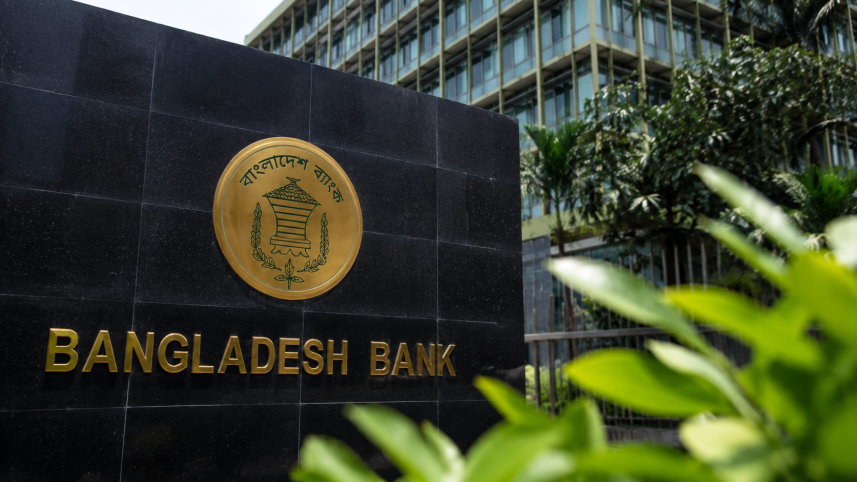
Bangladesh Bank (BB) has expanded the scope of foreign currency transactions for Offshore Banking Units (OBUs), allowing them to buy, sell and swap foreign currencies with other banks and eligible entities for trade and business purposes.
In a circular issued today, the central bank said the move aims to facilitate legitimate customer transactions, improve foreign currency liquidity management, strengthen banks’ management of assets and liabilities, and bring offshore banking operations in line with international treasury practices.

Under the new framework, OBUs can directly buy and sell foreign currencies and enter into cross-currency swap agreements with their Domestic Banking Units (DBUs), other Authorised Dealers (ADs), other OBUs and legitimate foreign entities.
A cross-currency swap allows two parties to exchange payments in different currencies, helping banks manage the risk of changes in exchange rates.
According to the circular, OBUs can carry out these transactions when they are linked to customer transactions, payment obligations, funding requirements, foreign currency liquidity management or the management of risks on their balance sheets.
The central bank also instructed OBUs to follow prudent funding strategies. It encouraged them to use lower-cost sources of funds and cross-currency swaps to reduce the risks arising from exchange rate movements.
The wider range of treasury transactions will give OBUs more flexibility in managing their funding and foreign currency exposure. It could also help reduce their borrowing costs and support cheaper financing for eligible trade activities.
OBUs are specialised banking units that handle transactions mainly in foreign currencies. In Bangladesh, they operate under separate offshore banking rules and can support international trade and other foreign currency transactions.
The expanded scope could help OBUs manage foreign currency liquidity more efficiently and provide greater support to businesses involved in international trade.
 For all latest news, follow The Daily Star's Google News channel.
Comments