


FAO warns of global food security emergency
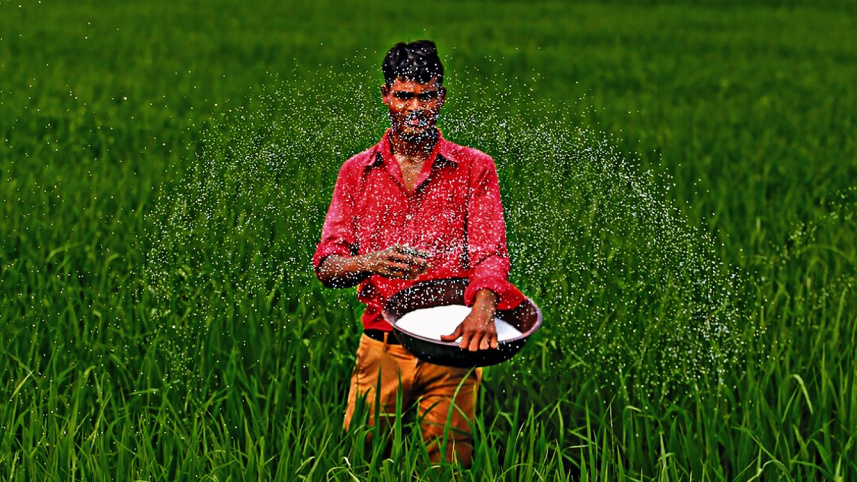
The world risks facing a deeper food security crisis in 2026 and 2027 unless governments act quickly to cushion the impact of disruptions in the Strait of Hormuz, the head of the Food and Agriculture Organization (FAO) has warned.
"The decisions we make now will determine whether this remains a manageable shock, or evolves into a deeper global food security crisis in 2026 and 2027, and beyond," FAO Director-General Qu Dongyu said at a special event on the Middle East crisis during Rome Nutrition Week in Italy from May 25 to May 28.

Describing the situation as "a systemic shock to the global agrifood system", he said the biggest impacts may emerge months from now as farmers cut back on planting and fertiliser use because of rising production costs and supply chain constraints.
According to the FAO, severe disruptions in the Strait of Hormuz have already affected the movement of oil, liquefied natural gas, sulfur and fertilisers, driving up agricultural input costs and putting upward pressure on seed prices because of their dependence on fertilisers. As energy prices rise, agrifood systems become more expensive across all regions.
Input import-dependent countries, in particular, are facing rising bills, while vulnerable households are losing purchasing power as inflation erodes incomes, the UN agency said.
For many countries, especially in Africa and parts of Asia, these impacts are not occurring in isolation. They are compounding existing pressures from debt distress, climate shocks, conflict and constrained public finances.
Bangladesh meets most of its fertiliser requirements through imports, and Gulf nations such as Saudi Arabia and the United Arab Emirates are major suppliers.
In the fiscal year 2023-24, the country's demand for urea was 27 lakh tonnes, of which more than 17 lakh tonnes had to be imported, according to Bangladesh Chemical Industries Corporation data.
As global prices of fuel and fertiliser -- especially urea -- have risen, Bangladesh is already feeling the strain.
The FAO chief said the actions taken now will be critical in determining whether the world can manage the shock caused by the situation in the Strait of Hormuz or face a far more serious food security crisis in the years to come.
"We must act early before humanitarian and economic costs rise," the director-general said.
The warning comes days after the FAO cautioned that the closure of the strategic waterway could trigger a severe global food price crisis within six to 12 months if preventive measures are not taken.
FAO Chief Economist Maximo Torero earlier said the situation should not be seen as a temporary shipping problem but as the beginning of a broader agrifood shock that could spread through global food systems via higher energy costs, fertiliser shortages, lower crop yields and food inflation.
The impact is already visible. The FAO Food Price Index, which tracks monthly changes in the international prices of a basket of globally traded food commodities, rose for a third consecutive month in April, driven by high energy costs and turmoil linked to the conflict in the Middle East.
To reduce the risks, the FAO urged countries to avoid export restrictions on fertilisers and agricultural inputs, support farmers through focused assistance and ensure timely financing for food production.
The UN agency also called for greater diversification of trade routes, stronger regional integration, strategic reserves and more resilient agrifood systems to reduce dependence on critical trade chokepoints.
The FAO has warned that the situation could become even more challenging if a strong El Niño event materialises, disrupting rainfall patterns and agricultural production in several regions.
"We have a window to act, but that window is narrowing," Qu said.
The FAO said traditional emergency packages centred exclusively on fertiliser-intensive systems may no longer be viable under current conditions.
"Countries should support adaptive strategies such as intercropping, improving nitrogen efficiency and promoting crops that are less dependent on synthetic fertilisers."
 For all latest news, follow The Daily Star's Google News channel.
 It suggested prioritised support, saying resources should be directed towards the most vulnerable populations through well-designed social protection systems and rural support mechanisms.
Comments