


US proposes new tariffs on Bangladesh, 59 others over forced labour concerns
The United States has proposed additional tariffs on imports from 60 countries, including Bangladesh, after concluding that their efforts to curb trade in goods produced with forced labour are inadequate and restrict US commerce.
The proposal was announced on Tuesday by the Office of the United States Trade Representative (USTR) following Section 301 investigations launched earlier this year into forced labour enforcement among major US trading partners.

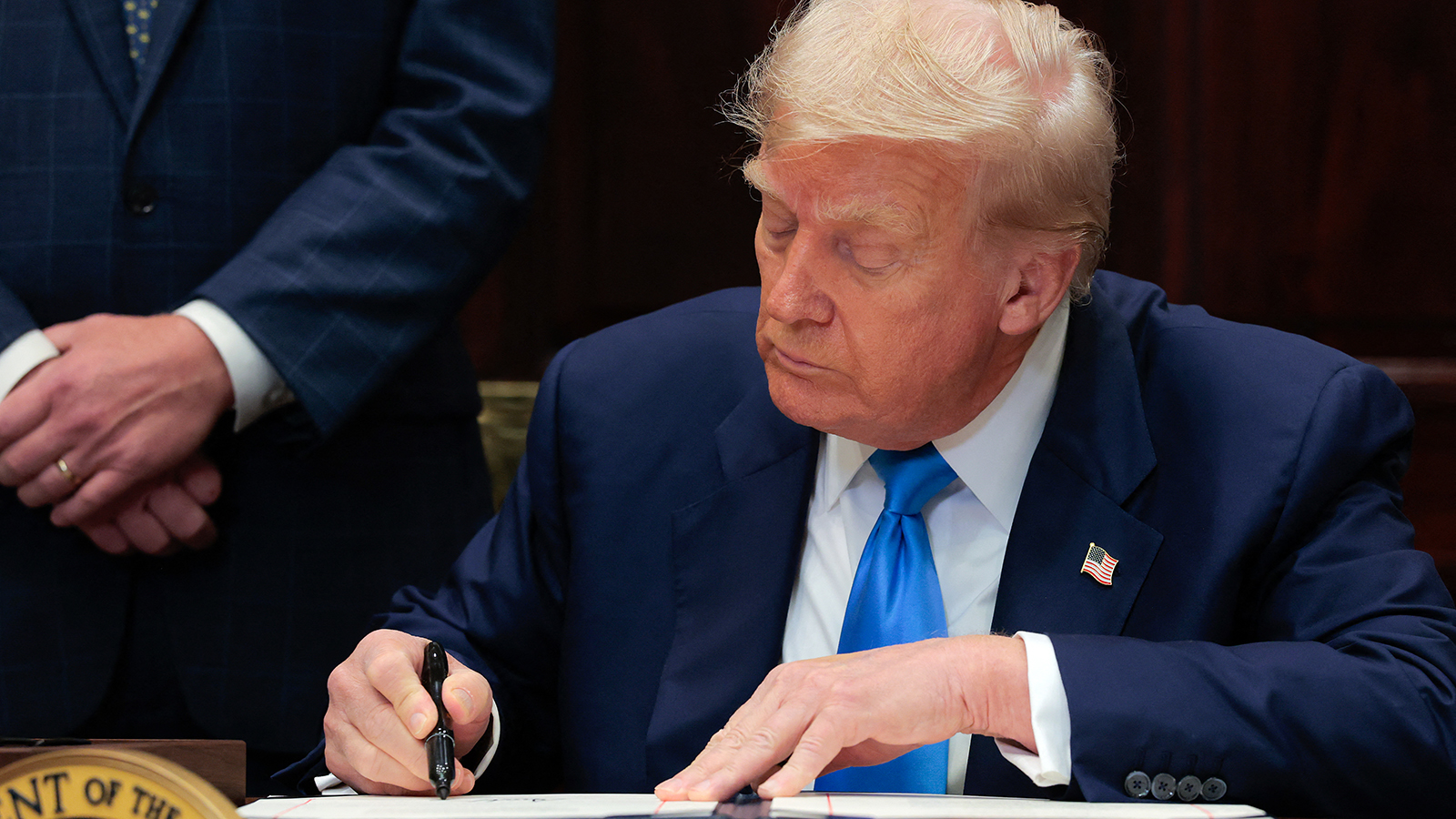
US Trade Representative Jamieson Greer said the failure of trading partners to address imports linked to forced labour creates an uneven playing field for American workers.
“The failure of our most important trading partners to address the importation of goods made with forced labor is unacceptable,” Greer said, adding that governments must do more to prevent global trade from encouraging forced labour practices.
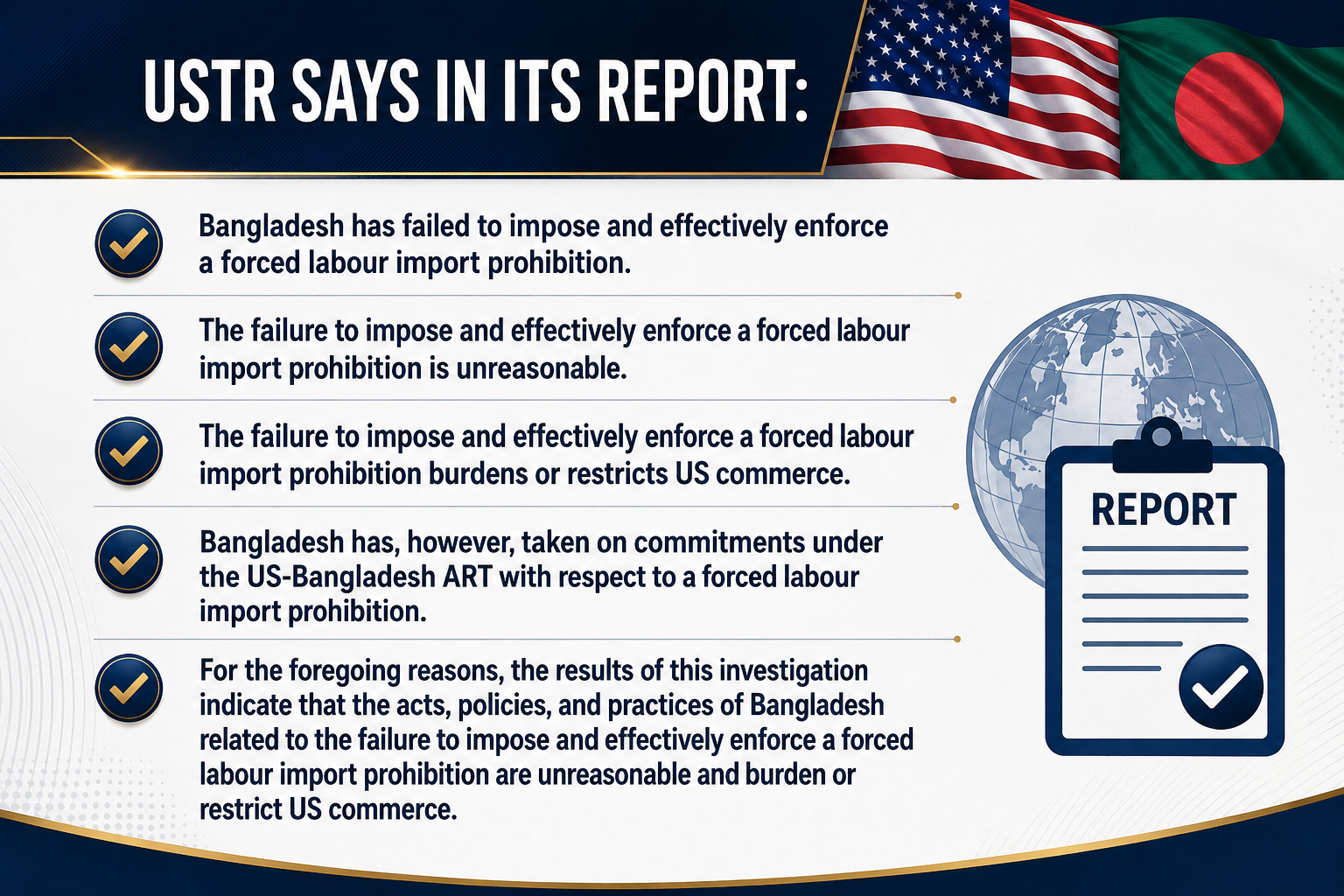
The USTR identified 54 economies, including Bangladesh, India, China, Japan, the United Kingdom, Vietnam and Thailand, as failing to impose and effectively enforce bans on the importation of goods produced with forced labour. Another six economies, including Canada, Mexico and Pakistan, were cited for failing to effectively enforce existing prohibitions.
Under the proposed framework, countries with partial forced labour import bans or reciprocal trade arrangements with the US would face an additional 10 percent tariff. Countries without such arrangements could face a higher 12.5 percent duty on exports to the United States, according to the proposal.
The levies won’t go into effect immediately and are subject to a public comment and review period before implementation, which could result in changes before any duties are codified. Written comments are due to be submitted by July 6, and a Section 301 panel is expected to convene public hearings beginning on July 7, according to the notice.
The action forms part of a broader Section 301 trade strategy that could lead to country-specific tariffs replacing temporary measures due to expire later this year.
The USTR also proposed a separate textile mechanism that would allow a specified volume of apparel and textile imports from certain economies to enter the US at reduced Section 301 tariff rates. Details of eligibility and quota levels have not yet been finalised.
 For all latest news, follow The Daily Star's Google News channel.
Comments