


The quiet grief of becoming ordinary
There’s a very specific kind of heartbreak that arrives on a random Tuesday—one morning, you simply wake up and realise that the big, successful life you had envisioned for yourself as a child is not quite the same as the quiet life you are leading now. The gifted child who thought they would change the world, the teenager who carried impossible dreams like spare change in their pocket, and the adult who now answers emails, rereads the same sentence three times, and wonders when exactly constant burnout became their default.
Maybe the cruelest thing modern life does is convince people that their worth depends on becoming remarkable. That if your life does not look cinematic, global, productive, or endlessly upward-moving, then you have somehow failed.
 For all latest news, follow The Daily Star's Google News channel.
 But literature has always known better. Some of the most beautiful stories ever written are about people sitting in kitchens. Walking home alone. Remembering old friendships. Starting over quietly. Learning how to live with disappointment without letting it calcify into bitterness.
All The Lovers In The Night
Mieko Kawakami
Europa Editions, 2022
A lonely woman in her thirties drifts through work and routine so quietly that she almost disappears inside it. Kawakami writes loneliness with surgical precision. This is not a story about dramatic success or failure, but about alienation: from work, from other people, and from yourself. The protagonist’s life looks painfully small on paper, yet the novel insists that interior lives still matter deeply. It understands something many high-achieving people fear: sometimes burnout doesn’t look like collapse. Sometimes it looks like becoming emotionally invisible.
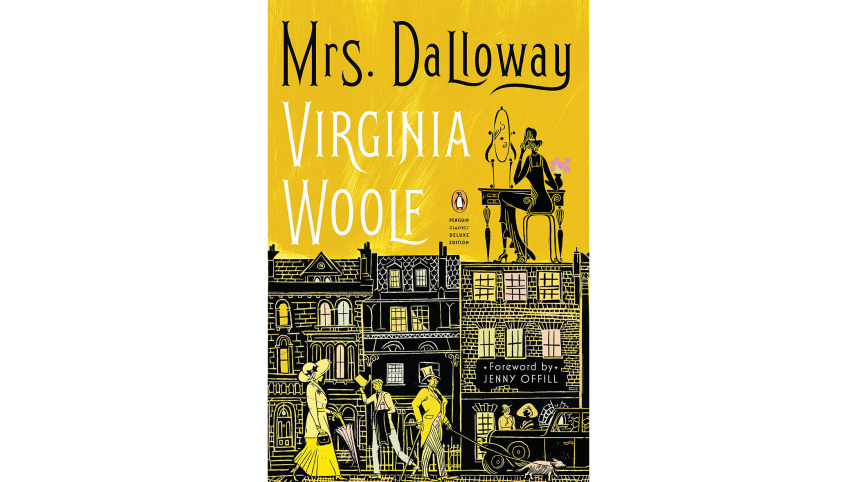
Mrs Dalloway
Virginia Woolf
Houghton Mifflin Harcourt, 2002
Following the life of a woman as she prepares for a party while reflecting on her past, her choices, and the life she ultimately ended up living, Woolf captures the terrifying awareness that adulthood is partly built from roads not taken. The people we could have loved. The selves we could have become. Yet the novel also quietly asks whether ordinary moments—flowers, conversation, sunlight, memory—might still contain meaning even without grandeur. On the surface, almost nothing happens in this novel. Internally, everything does. A century later, it still reads like emotional clairvoyance.
This is an excerpt. Read the full list on The Daily Star and Star Books and Literature websites.
Sara Kabir is a dreamer, writer, and literature lover who is constantly juggling academia and her many creative hobbies. She is currently a lecturer at North South University. Find her musings on Instagram @scarletfangirl.


Comments