


Praise and criticism are both necessary for growth: Deepa Khandakar
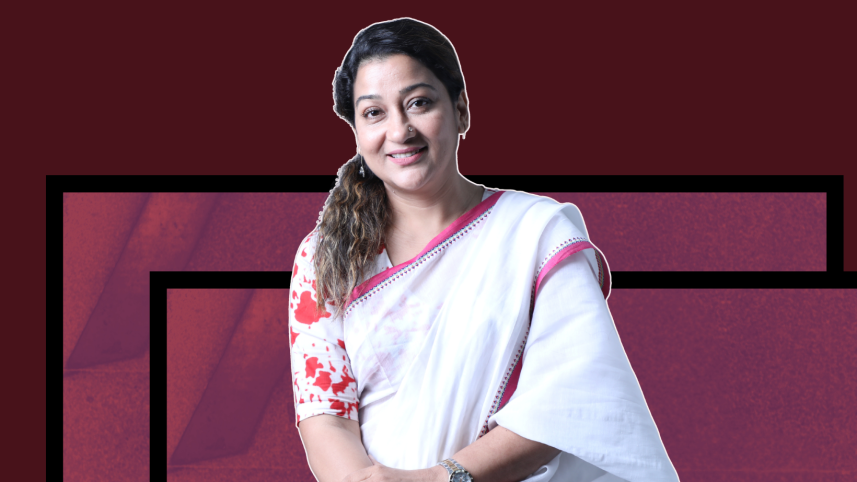
For a quarter of a century, Deepa Khandakar has quietly evolved alongside Bangladeshi television. Having first established herself in leading roles, she has gradually moved into a repertoire of middle-aged women characters whose emotional lives often form the dramatic centre of the stories they inhabit. It is a transition she neither resists nor romanticises. Instead, she sees it as an opportunity to deepen her craft.
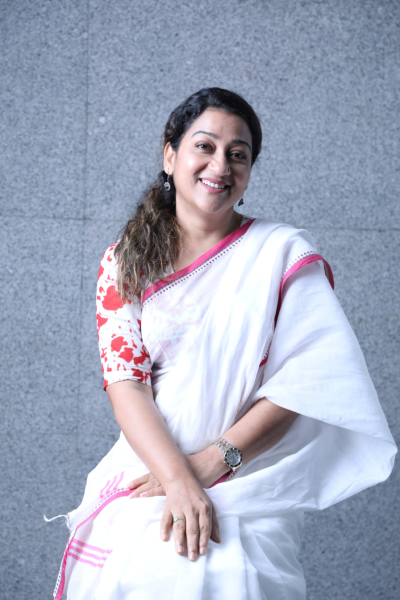
"What matters to me now is variety," Deepa told The Daily Star. "I feel I have reached a point where I can do justice to characters that suit my age and experience. Sometimes I play the mother of a grown-up child, sometimes an aunt. I want to play as many different kinds of characters as possible. I want each role to feel different from the last."

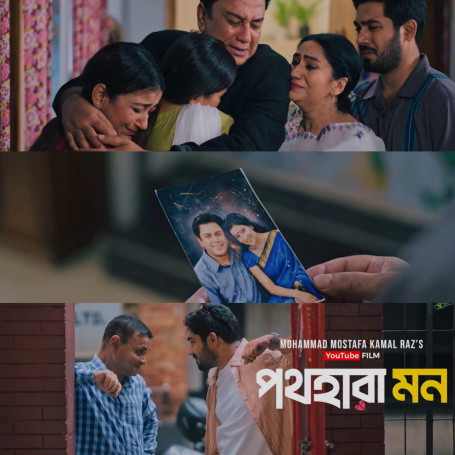
Her latest performance, in “Pothohara Mon”, released on the Cinemawala YouTube channel, has reaffirmed that belief. The drama, which also stars Zahid Hasan and Totini, features Deepa as a mother navigating profound emotional loss.
She says the response from viewers has been overwhelming.
"So many people—both those I know and complete strangers—have watched the drama," she said. "Their positive comments encourage me to keep working harder. I can never thank the audience enough. They have always stood beside good work."
One encounter, she recalled, particularly stayed with her. "The night ‘Pothohara Mon’ was released, I went to a wedding. People came up to me and said, 'We were emotionally connected after watching you cry in the drama. You were extraordinary.' Hearing something like that makes me feel I have been able to do justice to a good story and a good character."
While appreciation has far outweighed criticism throughout her career, she believes criticism remains equally important.
"I hear praise more often, but criticism is necessary too. It tells you where you stand as an actor and helps you improve."
She cites another recent performance, opposite Afzal Hossain in the Eid drama “Abar Hobe Dekha”, as one of the most emotionally demanding roles she has played in recent years.
"When Chayanika Chowdhury first approached me with the role, I was surprised," she said. "But once I began performing it, I became deeply emotional. It was unlike any character I had played before. There are moments when my character speaks about never being able to see her child again. Delivering those lines was incredibly difficult because the emotions felt so real."
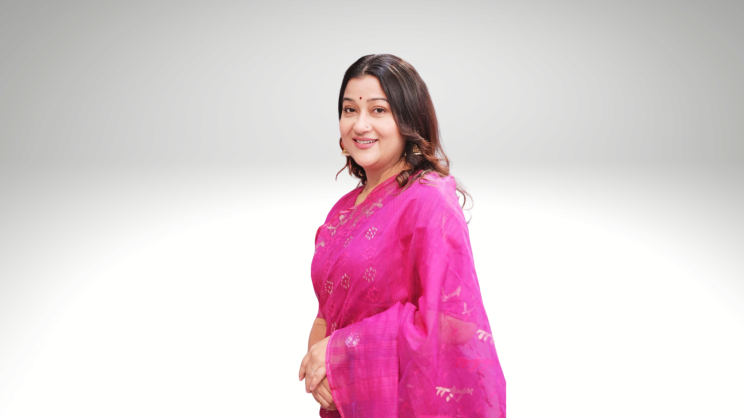
Sharing the screen with Afzal Hossain made the experience even more memorable, she added.
"A good co-actor elevates your own performance. When the actor opposite you is completely invested in the character, it becomes much easier to give your best. Working with Afzal Hossain Bhai was an added privilege."
Looking ahead, Khandakar says she is less interested in the size of a role than in what it demands of her as an actor.
"I don't chase any particular kind of character anymore. I only want roles that challenge me. At this point in my career, I simply want variety and the opportunity to keep doing good work."
The actor remains busy with several upcoming television projects. She recently completed a negative role in a drama directed by Rubel Hasan, a comedy by Muhidul Hasan, and separate productions by Chayanika Chowdhury and Selim Reza.
She is also preparing to appear in an upcoming television serial directed by Muhammad Mostafa Kamal Raz.
 For all latest news, follow The Daily Star's Google News channel.
Comments