


The quiet tenderness of Eid in a restless Dhaka
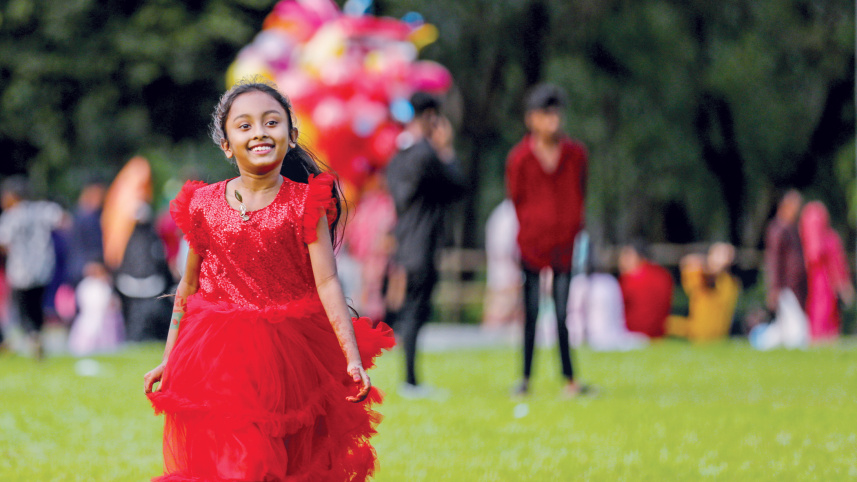
Now that the Eid holidays are over and everyday routines -- schools, offices, and the familiar rhythm -- have begun, we are almost reluctantly rescheduling our lazy holiday hours.
Eid in Dhaka is more than feasts and firni; it is intimate, textured, and rooted in the city’s pulse. A little careless about urban hygiene, often falling victim to gluttony, yet we Dhakaites -- those who could not perform Hajj this year -- stay glued to our telly, repeating the chants of Hajj, the Talbiyah: “Here I am, O Allah, here I am…”

In a hypnotic trance, hoping our piety reaches Allah, I am humbled, tears rolling down my face. What I take from these rituals is how the core spiritual message of Qurbani shapes our conscience. The story of Prophet Ibrahim’s (AS) test of devotion is the essence of Eid‑ul‑Azha, lying beautifully in obedience to Allah.
I am grateful that every Qurbani Eid reminds me mercy in Islam is not optional -- it is commanded. Cleanliness is half of faith, and it relies on collective civic responsibility, because cleanliness is not merely municipal -- it is deeply Islamic. Sacrifice itself equates to submission. Our Prophet Muhammad (peace be upon him) taught that compassion is a duty for ordinary mortals. Eid‑ul‑Azha is both a civic test and a spiritual reminder.
I do not want to dwell on the Uttara metro station cattle debacle or how the city reeled from the aftermath of Eid‑ul‑Azha -- the massive waste accumulation, putrid odours, blocked drains exposing mismanagement. Despite ambitious cleanup targets, we must remember that as residents of this beautiful city we too should have taken part in the municipal drive to restore urban hygiene.
My confession: I too was not part of this drive. I did not help others, except for cleaning my garage and drains. I lacked the neighbourly courtesy to gather my neighbours and at least clean our lane. So, I am no messiah either -- just a perfect example of big talks and armchair journalism.
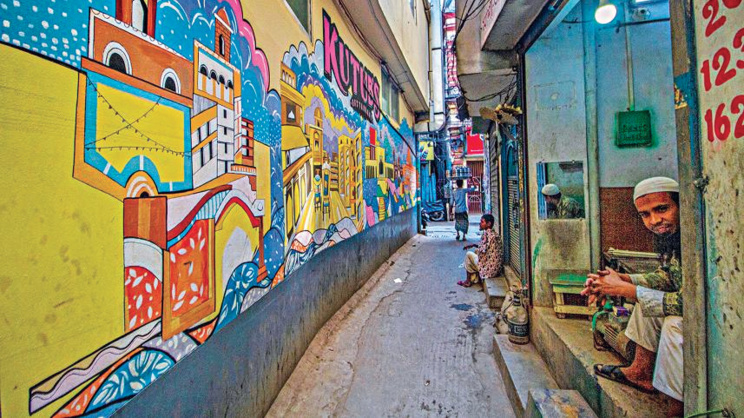
But in my defence, I can say that I went to Old Town in search of a special sweet with my friend. Yes, we are empty‑nesters, bored, and we love reckless, random fun. The roads were free. Between bites of soft roshogollas or a slice of mango cheesecake, the summer afternoon whispered the joy of sharing.
I slipped into a tucked‑away vegetarian restaurant in Old Dhaka for a cup of frothy milk tea and crisp luchi with aloo daam. It proves that fun doesn’t need meat to feel fulfilled. Lovers glide into rickshaws at dusk, city lights flickering past as they head towards cafés. The evening hums with soft music and the laughter of friends. These are the tender gestures of Eid: a ride, a song, a shared plate, and the quiet promise that celebration lives in the small, sweet moments.
Amid religious bindings and social obligations, Eid in Dhaka is always a curated itinerary of tenderness.
 For all latest news, follow The Daily Star's Google News channel.
Comments