


Role of Nutrition Entrepreneurs in Accelerating Nutrition-Sensitive Integration in Bangladesh
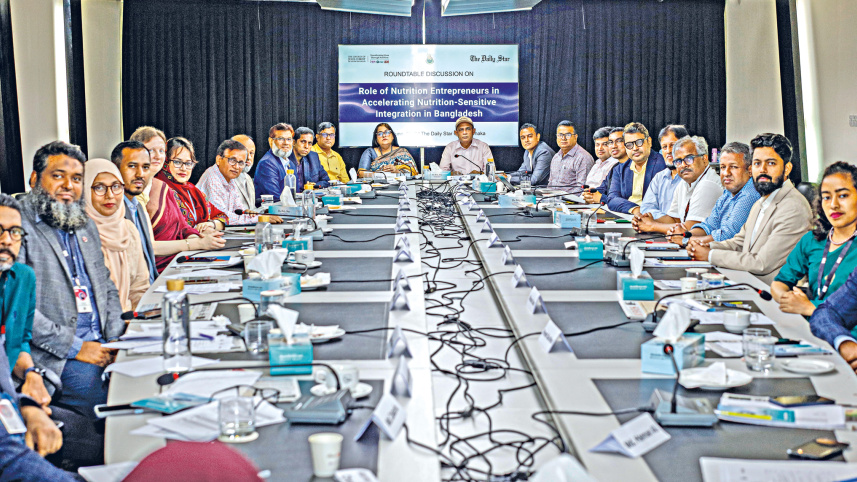
iDE Bangladesh, CSA SUN Network, and The Daily Star jointly held a roundtable on June 11, 2026. The discussion brought together government officials, development partners, nutrition experts, researchers, private sector representatives, and civil society stakeholders to explore the role of nutrition entrepreneurs in improving nutrition outcomes and accelerating progress toward national nutrition goals in Bangladesh. Recognising the persistent challenges of malnutrition, micronutrient deficiencies, and unequal access to nutrition services, particularly among women, children, adolescents, and vulnerable communities, participants explored practical recommendations on how locally driven entrepreneurial models can complement existing nutrition interventions while strengthening women’s economic empowerment and community-based service delivery. The event was organized under the Transforming Lives through Nutrition (TLTN) Project, a consortium initiative funded by the The Church of Jesus Christ of Latter-day Saints (LDSC).

Sameer Karki
Country Director
iDE Bangladesh

For the past 40 years, iDE Bangladesh has focused on creating livelihood opportunities for rural communities through market-based and systems-driven approaches. Nutrition is a multidimensional challenge requiring coordinated action across sectors, where increased consumption of nutritious foods, improved household incomes, and better WASH practices can strengthen nutrition outcomes. At the same time, there is a growing need to make nutrition interventions more sustainable and locally owned. Nutrition entrepreneurship offers a promising pathway by combining livelihood opportunities with improved access to nutrition products, services, and information. Lessons from our nutrition-sensitive interventions show that sustaining nutritional outcomes requires continued access to nutrition support beyond project lifecycles. A doorstep service delivery model led by local entrepreneurs can ensure regular access to nutrition support while creating opportunities for cross-sectoral collaboration across agriculture, health, WASH, and livelihoods sectors, particularly when linked with complementary government and stakeholder interventions

Dr. Shafiun Nahin Shimul
Professor and Director
Institute of Health Economics, DU
Malnutrition remains a major challenge in Bangladesh, with 28% of children under five affected by stunting and many still suffering from anaemia and poor dietary diversity. Bangladesh operates 185,000+ Community Health Workers (FWAs, HAs, CHCPs) — spending 20+ billion BDT annually on stipends alone. Yet nutrition outcomes in priority districts remain critical.
The Tier Up approach — transforming volunteers into entrepreneurs — delivers: Fiscal sustainability: 91–95% government cost reduction; Economic inclusion: 15–30B BDT new household income for rural women. Therefore, innovative and sustainable solutions are needed to strengthen nutrition outcomes while creating economic opportunities. One promising approach is nutrition entrepreneurship, which combines nutrition services with income generation. Under this model, entrepreneurs can promote nutritious foods, WASH practices, behaviour change communication, and agriculture-based solutions while earning sustainable incomes. Experience from the field suggests that nutrition entrepreneurs can earn a good amount per month while serving around 200 households each. If scaled up, this approach could reach millions of households, particularly in hard-to-reach areas. Moreover, stronger collaboration among the government, development partners, financial institutions, and communities can help create an enabling environment. A carefully designed pilot initiative could generate further evidence and guide future investments in nutrition-sensitive development.

Dr. Md. Ruhul Amin
Professor, Institute of Nutrition and Food Science
University of Dhaka
Due to inadequate dietary diversity and unequal access to nutritious foods, child and maternal malnutrition remain a pressing issue in Bangladesh. Recent data show that only 35.2–37.6% of children receive a minimum acceptable diet, meaning nearly two-thirds are not getting sufficient dietary quality. Although meal frequency exceeds 80%, diet diversity remains limited. Low birth weight continues to affect around 15% of newborns, while 11% of women are underweight and 52.3% are overweight or obese, highlighting a double burden of malnutrition. In addition, one-third of households do not consume fruits, and about half do not consume milk regularly. Therefore, alongside existing nutrition interventions, nutrition entrepreneur models could help strengthen household income, improve access to diverse foods and healthcare services, and contribute to better nutrition outcomes.

Dr Shah Md. Monir Hossain
Chief Scientific Officer, Crop Division
Bangladesh Agricultural Research Council
As per Article 18.1: raising of the level of nutrition and the improvement of public health as its primary duties.Nutrition security is anchored as an embedded priority under state policies. Current consumption patterns show important gaps in access to a balanced and nutritious diet. Therefore, greater emphasis is needed on nutrition-sensitive agriculture and the development of biofortified crop varieties enriched with essential nutrients. Research institutions are already advancing such innovations, including nutrient-rich fruits, vegetables, and staple crops. At the same time, family nutrition can be strengthened through homestead gardening and the adoption of modern agricultural technologies, including hydroponics and vertical farming. Furthermore, nutrition entrepreneurs can play a vital role in expanding these innovations, improving nutrition outcomes, creating income opportunities, and accelerating progress toward national nutrition goals.
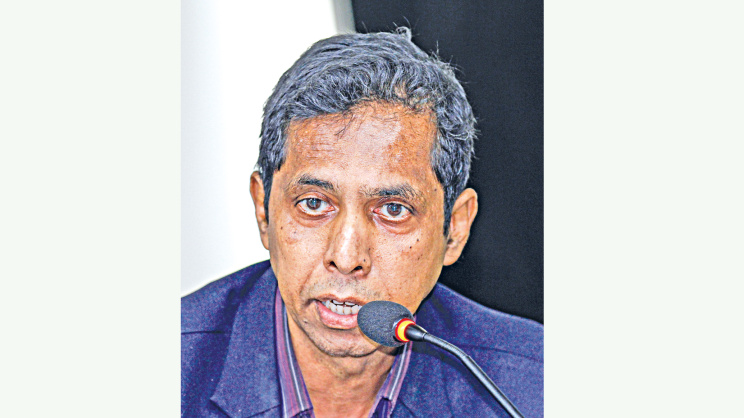
Dr. Saleuddin Ahmed
Additional General Manager, Star Networks
SMC
The possibility of nutrition creating sustainable livelihoods is already being explored through community-based social marketing and women’s entrepreneurship. Nutrition outcomes improve when information, behaviour change, and access to appropriate products work together. Therefore, efforts are focused on both demand creation and strengthening supply systems. Currently, our community mobilisation activities are being implemented in 161 upazilas through partner organisations, supported by around 4,000 women entrepreneurs. These entrepreneurs disseminate public health information while selling nutrition-related products through a sustainable business model, earning between Tk 4,000 and Tk 18,000 per month.
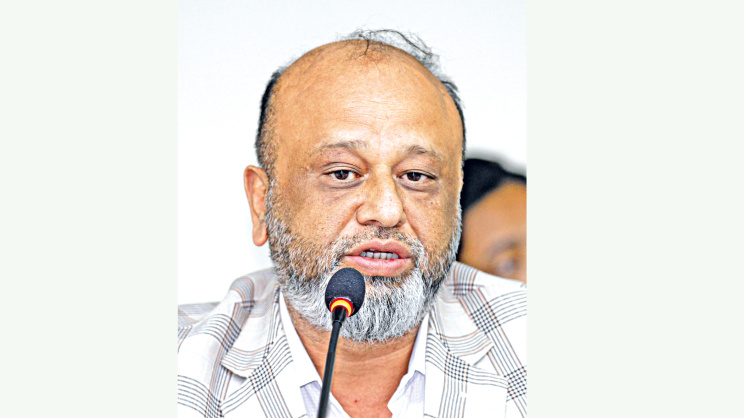
Bashir Ahmed
Deputy Executive Director
ACI
Nutrition security begins at the source of food production. Therefore, improving soil health and increasing micronutrient availability in crops, fish, and livestock are essential for better nutrition outcomes. Bangladesh’s soils contain only about 2% organic matter on average, compared to the recommended 5%, while micronutrient deficiencies and soil acidity remain significant challenges. In addition, supporting local entrepreneurs in organic fertiliser production creates opportunities for sustainable agricultural development. Furthermore, stronger nutrition education can help families make informed dietary choices, while improved hygiene and packaging of fresh fruits can encourage healthier consumption habits.

Mohammad Kefayet Ullah
Executive Advisor
Thengamara Mohila Sabuj Sangha (TMSS)
TMSS has been collaborating with the TLTN project to strengthen financial inclusion and improve Access to Finance (A2F) for Nutrition Entrepreneurs. TMSS has provided SME loans to 28 Nutrition Entrepreneurs, with an average loan size ranging from BDT 65,000 to 85,000. Repayment performance has been encouraging, demonstrating both the viability of these enterprises and the entrepreneurs’ financial discipline. As part of our commitment to promoting women’s economic empowerment, TMSS remains dedicated to expanding access to finance for women entrepreneurs.

Shyamal Kumar Roy
Assistant Director and Head of Division (Laboratory)
Institute of Public Health Nutrition
Nutrition services alone cannot end malnutrition unless healthy practices, awareness, and access to nutritious products reach every household. Since 1974, the IPHN has been leading the implementation of micronutrient supplementation, malnutrition management, and nutrition surveillance nationwide. Recent research conducted across eight divisions and 16 districts has also highlighted widespread vitamin D deficiency, underscoring the need for greater awareness and outreach. As a solution to these, nutrition entrepreneurship can complement existing programmes by expanding access to information, nutritious products, and healthy practices at the community level.
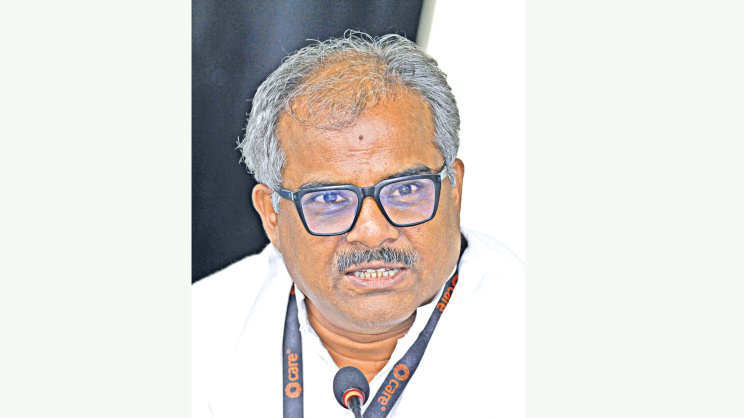
Hafijul Islam
Co-Chair
SA SUN Network Bangladesh
Despite progress in food production, challenges remain in micronutrient deficiencies, service coverage, and access to quality nutrition products. Nutrition entrepreneurship offers a valuable opportunity here to complement existing government services, particularly in hard-to-reach and underserved communities. Bangladesh already has an extensive health infrastructure, including community clinics serving around 10,000 people. However, gaps in human resources, supply chains, and last-mile delivery still require attention. In this context, nutrition entrepreneurs can help improve access to nutrition products and services while supporting local economies. Most importantly, women should remain at the centre of this model. Evidence shows that every dollar invested in nutrition can generate up to 23 dollars in returns. At the same time, strong coordination among the government, private sector, and civil society is essential.
 For all latest news, follow The Daily Star's Google News channel.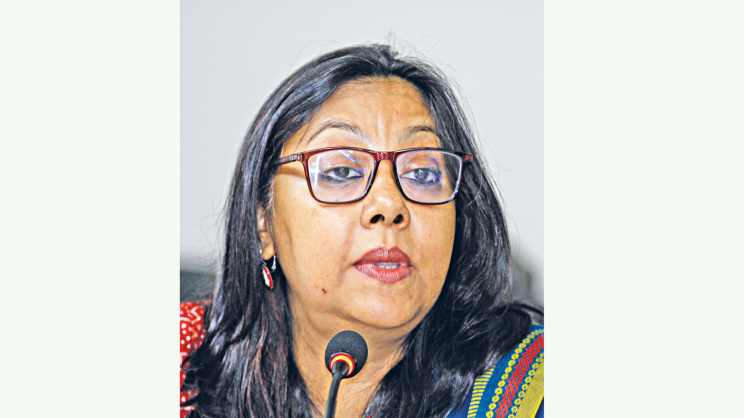
Asfia Azim
Deputy Country Director
Nutrition International Bangladesh
Nutrition entrepreneurship has strong potential to improve household income, which can positively influence maternal and child nutrition outcomes. However, nutrition should be viewed primarily as a right and an essential component of health services. Therefore, while entrepreneurship models can help expand access to Nutrition sensative products and services, special attention should be given to affordability for poor and vulnerable populations so that out-of-pocket costs do not become a barrier. In addition, effective regulation, monitoring, and accountability mechanisms are needed to ensure that nutrition products are promoted and used appropriately. Most importantly, greater emphasis should be placed on preventive approaches through nutrition education, awareness, and service delivery. Investing in nutrition can reduce future health expenditures, strengthen public health outcomes, and contribute to sustainable national development.

Mehedi Hasan Bappy
Project Coordinator Focal
Youth and Adolescent Nutrition, GAIN
Scaling Up Nutrition (SUN) Youth Network Bangladesh
The entrepreneurship models can play an important role by combining nutrition awareness, public health messaging, and doorstep access to nutrition-sensitive products. Experiences from women entrepreneurs and youth volunteer initiatives have shown strong potential for reaching communities with nutrition information and services. Nutrition comes through products and foods, not alone. We should make these products and foods available to the vulnerable groups through knowledge, awareness, products and services. Expanding opportunities for women and young people, particularly those not engaged in education, employment, or training, can further strengthen the model.

Ariful Islam
Project Manager
iDE Bangladesh
Nutrition Entrepreneurs are selected from experienced community volunteers who have a long history of supporting health and nutrition initiatives and are motivated to continue serving their communities through a sustainable, entrepreneurship-based model. Field observations also indicate that strong linkages have been established between Nutrition Entrepreneurs and government health and nutrition systems, fostering greater collaboration and coordination at the community level. Nutrition Entrepreneurs have become important catalysts for disseminating key nutrition messages and improving access to nutrition sensitive products and services, including climate-resilient seeds, hygiene materials, and other nutrition-related goods.
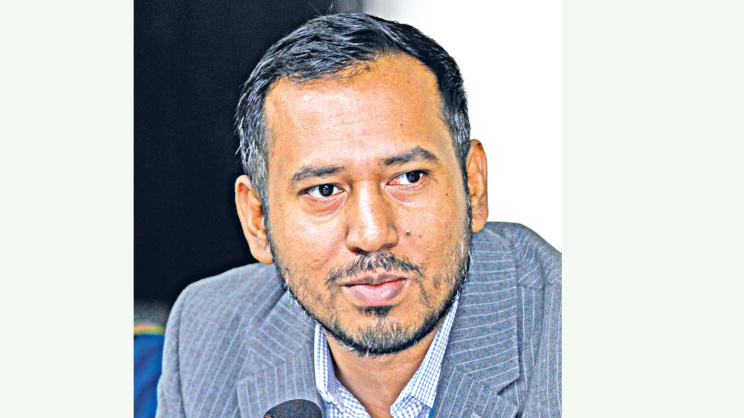
Dr Md. Aziz Khan
Nutrition Specialist
UNICEF
Nutrition entrepreneurship can serve as a valuable complementary approach for improving nutrition outcomes, particularly by addressing dietary diversity, one of the country’s major nutrition challenges. Therefore, entrepreneurs can help make diverse and nutritious foods more accessible through climate-smart technologies, food processing, preservation, and local distribution systems. For example, products such as dried fruits and increased access to eggs can support year-round availability of nutrient-rich foods, while regular egg consumption has been shown to contribute to reducing stunting. In addition, expanding social protection initiatives can help vulnerable families afford healthy diets. However, nutrition efforts should remain food-focused, with products complementing, not replacing, diverse and safe diets.
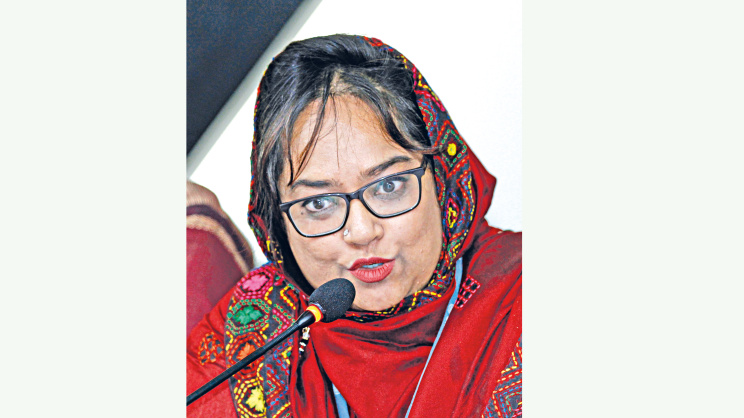
Faria Shabnam
National Professional - Nutrition
World Health Organisation
Nutrition entrepreneurs can improve last-mile distribution and connect communities with health and nutrition services to strengthen nutrition interventions. The nutrition entrepreneur model as a promising channel for demand generation and last-mile delivery. However, she cautioned about commercial risks, including conflicts of interest, inappropriate promotion, and over-commercialization. To address these risks, she emphasized the need for strong multi-sectoral coordination.

Dr. Mohammad Mahbubur Rahman
Director General (In-Charge)
Bangladesh National Nutrition Council (BNNC)
Achieving national nutrition targets requires coordinated action, where the government provides leadership through policy, regulation, financing, and multi-sectoral coordination, while the private sector ensures access to safe, affordable, and nutritious products through innovation and accountability. Simultaneously, civil society plays a vital role in advocacy, behaviour change communication, and community engagement. Nutrition entrepreneurship can further strengthen last-mile service delivery by expanding access to nutrition information, products, and services, particularly in coastal, haor, char, hill, tea garden, and other underserved areas. Field experience has shown that women entrepreneurs can effectively support community nutrition efforts. However, success depends on maintaining product quality, affordability, ethical marketing, regulatory compliance, and equitable access.
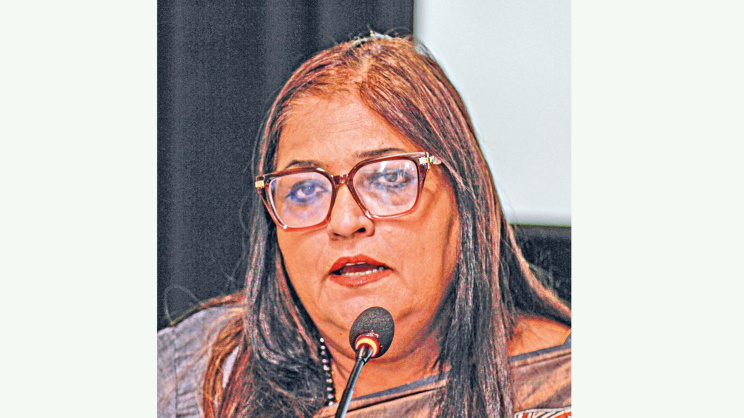
Dr. Foara Tasmim
Additional Director General (Planning and Development)
Directorate General of Health Services (DGHS)
National nutrition initiatives now involve 22 ministries, while mandatory food fortification laws have strengthened access to essential micronutrients. Additionally, 394 health facilities are providing treatment for severe acute malnutrition, reaching 19,607 children through inpatient services in 2025. At the same time, locally produced nutrition solutions offer new opportunities. The successful feasibility assessment of locally produced ready-to-use therapeutic food could reduce import dependence and create space for domestic nutrition entrepreneurs. However, challenges remain, as child wasting will increase from 9.2% in 2019 to 12.9% in 2025, due to food insecurity, climate change, and economic pressure, while around 16 million people remain vulnerable.
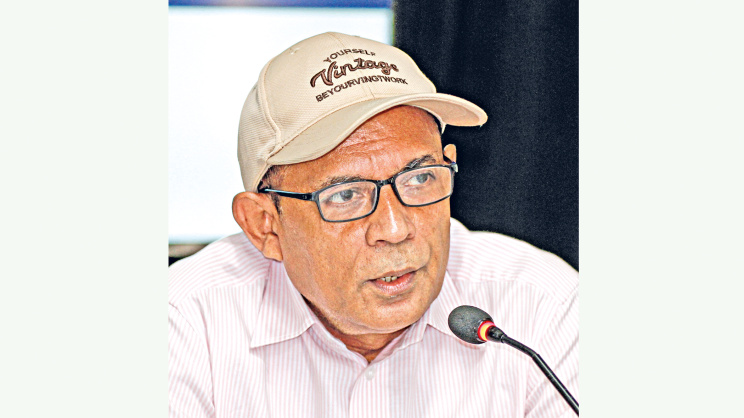
A.T.M. Saiful Islam
Additional Secretary
Ministry of Health and Family Welfare
The ongoing revision of the National Nutrition Policy aims to address emerging challenges while strengthening progress toward national and global nutrition targets. Several important initiatives are advancing this agenda, including Front-of-Pack Labelling, Vitamin D food fortification, and expanded food fortification measures. These efforts are particularly important as an estimated 67–70% of the population suffers from Vitamin D deficiency, while around 50% of pregnant women experience anaemia. At the same time, nutrition entrepreneurship offers an opportunity to bridge gaps between policy and communities by expanding access to nutritious products and services. Furthermore, innovation in biofortified crops and food systems can help diversify diets beyond carbohydrate-heavy consumption patterns, creating a stronger foundation for a healthier and more nutrition-secure Bangladesh.

Mohammad Soeb Iftekher
Director of Program
iDE Bangladesh
The role of nutrition entrepreneurs that iDE piloted here is not focused on nutrition-specific interventions, where the government support system has played a critical role. Moreover, there are diverse opportunities across nutrition-sensitive areas through the Nutrition entrepreneurship model. In our pilot, Nutrition Entrepreneurs are supporting the vulnerable communities through safe food products, WASH solutions, menstrual health products, and diversified food baskets that improve dietary diversity and promote prevention-focused solutions. However, stronger evidence, clear guidelines, risk management, and accountability mechanisms remain essential. Although affordability continues to be a concern for low-income populations, every taka invested in nutrition can generate long-term returns. Therefore, sustained collaboration among technical experts, government institutions, development partners, and the private sector is critical to advancing this agenda.

Tanjim Ferdous
Head of Strategic Partnerships
The Daily Star
Malnutrition and micronutrient deficiencies continue to affect women, children, adolescent girls, and vulnerable communities in Bangladesh. As nutrition is closely connected with agriculture, food systems, water, sanitation and livelihoods, greater integration across sectors remains essential. In this context, nutrition entrepreneurs can play an important role by promoting nutrition awareness, behaviour change, access to nutritious products, and community-based services. This roundtable aimed to highlight the role of nutrition entrepreneurs in strengthening nutrition-sensitive integration while creating sustainable livelihood opportunities, especially for women, that can help make nutrition interventions more sustainable, scalable, and effective at the last mile.
Recommendations
- Develop a national guideline for nutrition entrepreneurship that defines appropriate products, quality standards, monitoring systems, and accountability mechanisms
- Implementation research to generate evidence on effective nutrition entrepreneurship models and inform future scale-up
- Strengthen the capacity of nutrition entrepreneurs through training on nutrition, business management, referral systems, and ethical marketing practices
- Prioritise affordable, nutrition-sensitive solutions, including diversified foods, climate-smart agriculture, WASH, and menstrual health products, to improve dietary diversity among vulnerable populations
- Foster stronger multisectoral collaboration to support coordinated and sustainable nutrition actions.
- Expand opportunities for women and youth entrepreneurs.
Comments