


Too hot to handle: staying safe as temperatures rise
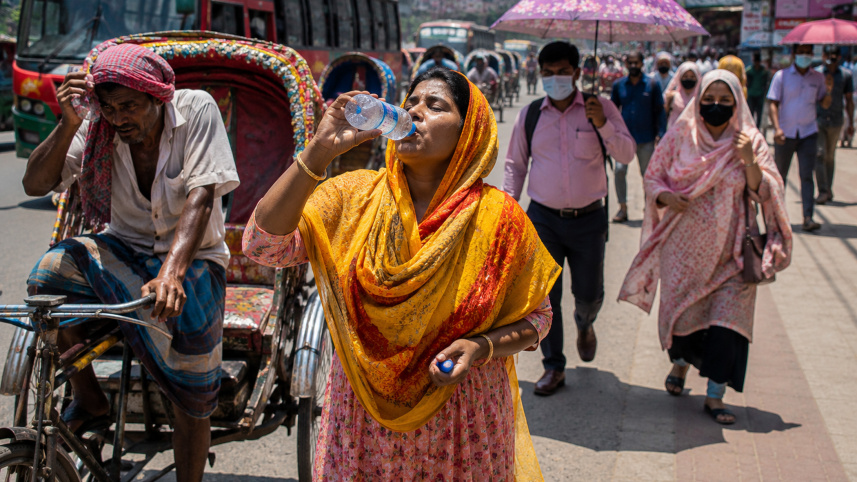
Extreme heat is no longer just an uncomfortable part of summer. As the planet warms, longer and harsher heatwaves are quietly becoming a serious threat to health, work and everyday life.
Between 2000 and 2019, an estimated 489,000 heat-related deaths occurred worldwide each year, with 45 per cent in Asia. Deaths linked to heat among people aged over 65 also rose by about 85 per cent between 2000–2004 and 2017–2021.

The danger begins when the body struggles to cool itself. Prolonged exposure can lead to exhaustion or heatstroke, while placing extra strain on the heart and kidneys. Hot weather can also worsen existing heart, lung and blood sugar problems. Heatstroke is an emergency and can be fatal.
Some people face greater risks than others. Older adults, children, outdoor and manual workers, athletes, people living with long-term illnesses and those in poorly ventilated homes are particularly vulnerable. Low-income communities may face even greater exposure because good housing and cooling are often out of reach.
Extreme heat can ripple far beyond individual illness. Hospitals may see sudden increases in patients, while power cuts can disrupt healthcare, transport and water supplies. Productivity falls, accidents become more likely, and schools or workplaces may struggle to function.
Simple precautions can make a difference. Avoid strenuous outdoor activity during the hottest hours, seek shade and spend time in a cool place. Keep homes cooler by blocking direct sunlight during the day and opening windows after dark when outside temperatures fall. Wear loose, light clothing, take cool showers and drink water regularly.
Children and animals should never be left in parked vehicles, even briefly. Check regularly on older relatives, neighbours and anyone living alone. Official heat warnings should be taken seriously, because illness can develop quickly.
Heat-related harm is largely preventable. As heatwaves become more frequent, staying informed and prepared may be one of the simplest ways to protect lives.
Source: World Health Organisation
 For all latest news, follow The Daily Star's Google News channel.
Comments