


Turning the tide on drowning
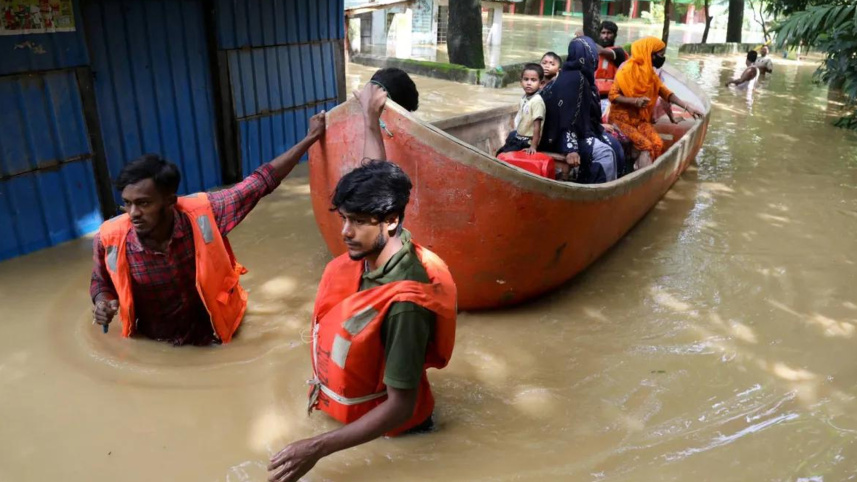
Every year, nearly 300,000 people lose their lives to drowning, making it one of the world’s most overlooked yet preventable causes of death. Children aged between five and 14 are among those most at risk, while more than 90 per cent of deaths occur in low- and middle-income countries. Rivers, ponds, lakes, wells, household water containers and swimming pools all become dangerous when safety measures are absent. Climate change is adding to the threat as floods, storms and rising temperatures increase people’s exposure to water hazards.
Ahead of World Drowning Prevention Day, which is July 25, the World Health Organisation unveiled “PROTECT”, a package of seven practical actions designed to help countries save lives. The approach focuses on creating safer places around water, improving rescue skills, protecting people who work on or near water, making water transport safer, teaching children swimming and water safety, strengthening childcare and supervision, and preparing communities for floods and other emergencies. Rather than relying on a single solution, PROTECT encourages governments, schools, families and local communities to work together.

Experts say every drowning is a tragedy that can often be prevented. By turning proven ideas into everyday action, countries can reduce needless deaths and protect future generations. The message is clear: preventing drowning begins long before anyone enters the water; with awareness, preparation and collective responsibility.
 For all latest news, follow The Daily Star's Google News channel.
Comments