


When cancer enters a home, no one should face it alone

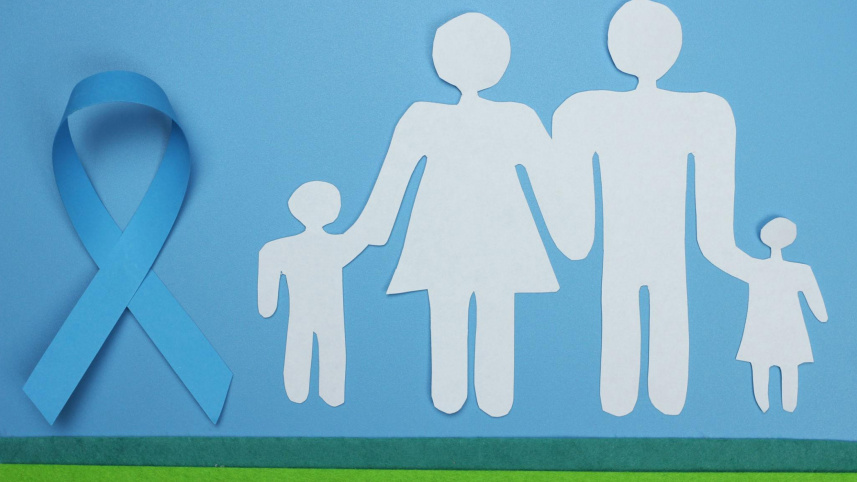
A cancer diagnosis rarely affects one person alone. It enters a home, sits beside relatives and follows families long after the hospital appointment ends.
When someone hears “You have cancer”, the doctor may still be talking, but fear can drown out everything else. Later come the questions: What happens now? Will treatment hurt? Where will blood come from? How will medicines be arranged? And, how do you comfort someone when you are frightened yourself?

In Bangladesh, the scale of that fear is enormous. GLOBOCAN 2024 estimates recorded about 187,000 new cancer cases and nearly 139,000 cancer deaths in the country that year. Yet behind those figures are families suddenly carrying emotional, physical and financial pressures.
Much of the conversation rightly centres on shortages of cancer specialists, treatment facilities, testing services and specialised hospitals. But care does not stop at the hospital door. Between appointments, patients and caregivers may need clear information, reassurance and practical support.
Renata Cancer Care, an initiative of Renata PLC, aims to help fill some of these gaps. Through its website and social media channels, it shares easy-to-understand information, expert discussions, patient experiences and guidance about symptoms, diagnosis, treatment and supportive care.
Its support has also included mental health counselling through the Psychological Health & Wellness Centre, help coordinating blood donors and free home delivery of cancer medicines. These may sound like small interventions, but to an exhausted family they can be truly meaningful. A counsellor can listen when fear becomes overwhelming. A blood donor can ease a crisis. Medicine delivered at home can spare a caregiver another difficult journey.
Such help can be especially valuable outside Dhaka, where specialist services may be harder to reach. Clear explanations in Bangla and trustworthy guidance can reduce confusion before a hospital visit.
Digital support, however, has limits. It cannot replace doctors, hospitals or emergency care. Information must be checked by qualified professionals, personal treatment advice should not be given through public comments, and patient privacy must remain protected.
The real measure of cancer support is not followers, likes or video views. It is whether a frightened family found an answer, a patient found counselling, a blood request received help or a caregiver understood the next step.
Cancer may begin in one body, but its fear can fill an entire home. Medicine matters enormously. So do clarity, kindness and the simple reassurance that nobody has to walk this road alone.
The writer is the Head of Marketing & Sales, Oncology & Haematology Portfolio at Renata PLC.
E-mail: amir.amirabdullah@gmail.com
 For all latest news, follow The Daily Star's Google News channel.
Comments