


Mungdi brings hill cuisine to Dhaka
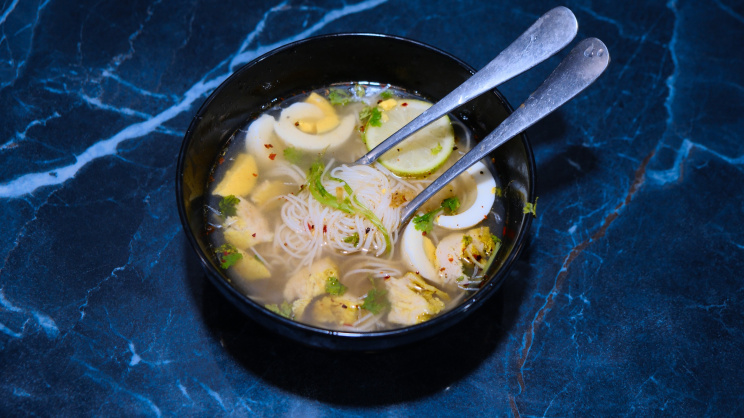
A bowl of Mungdi does not rely on thick gravy or an abundance of spices. Handmade rice noodles sit in a light chicken-stock broth, accompanied by egg, chicken, fish or prawns. The broth remains delicate, the ingredients recognisable and the flavours closer to the natural character of the food.
For many diners in Dhaka, however, even the name is unfamiliar. Tara Bikash Tripura, owner of Mungdi Restaurant, is working to change that by introducing traditional foods from the hilly regions to a wider audience.

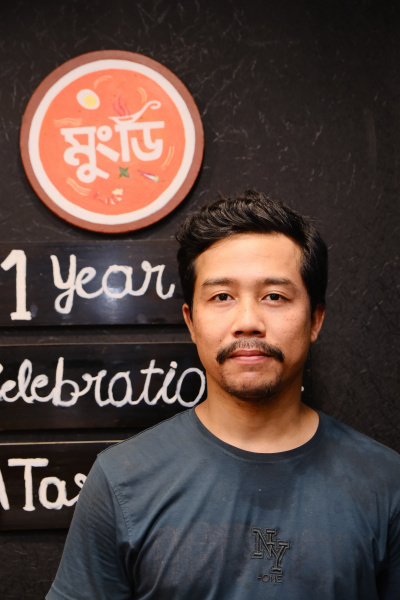
“Mungdi is one of our traditional soup items,” he explains. “The broth is very light and does not contain many spices. It has a natural flavour that comes from chicken stock.”
According to Tripura, the restaurant serves five variations: Egg Mungdi, Chicken Mungdi, Fish Mungdi, Prawn Mungdi, and Special Mungdi. The broth remains largely the same, while the main accompaniment changes. Egg Mungdi contains a whole egg, while Chicken Mungdi is served with sliced chicken.
Each bowl also contains handmade rice noodles brought from the hilly regions. For Tripura, sourcing these ingredients helps maintain a connection between the food served in Dhaka and the places where the recipes are traditionally prepared.
From employment to entrepreneurship
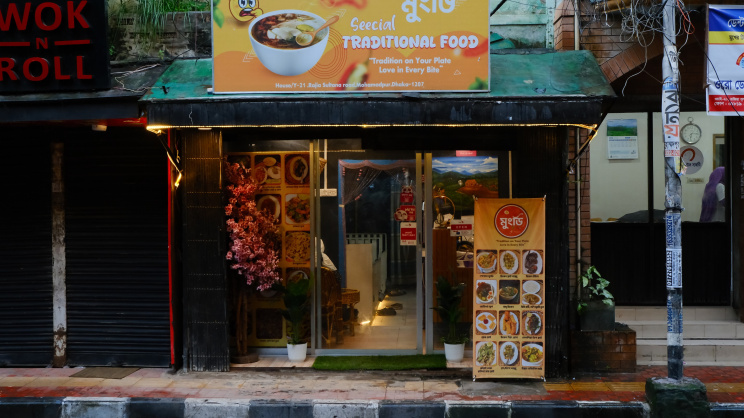
Before opening Mungdi Restaurant, Tara Bikash Tripura worked for a company for around eight to 10 years. During that period, he continued thinking about establishing a restaurant of his own.
“I always had a passion for opening a restaurant,” he recalls, adding, “I had been planning it for a long time. After eight to 10 years of preparation and planning, I finally opened this place on June 15 last year.”
The beginning was difficult. As a new establishment serving unfamiliar food, the restaurant struggled to find workers and earn customers’ confidence.
“People did not trust us at first,” he recounts. “So, I started it myself along with some of my cousins. Three or four of us managed everything together.”
Gradually, customers began discovering the restaurant and learning about its menu. “Now we are in a much better position than before,” Tripura elaborates. “People are becoming familiar with our traditional food. Our customers are satisfied, and that makes me very happy.”
More than Mungdi
Although the restaurant is named after the soup, the menu includes several other traditional preparations.
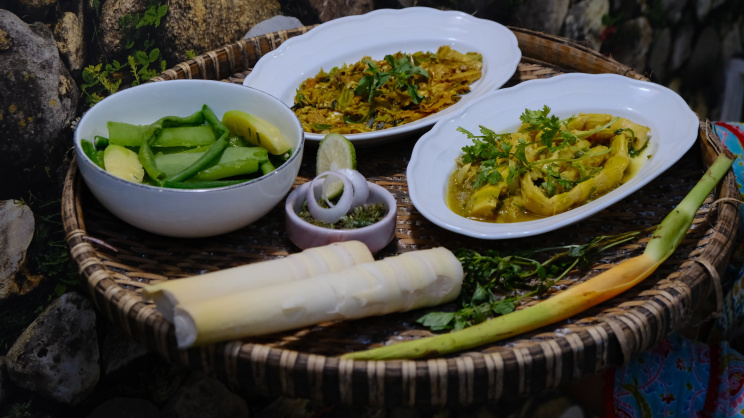
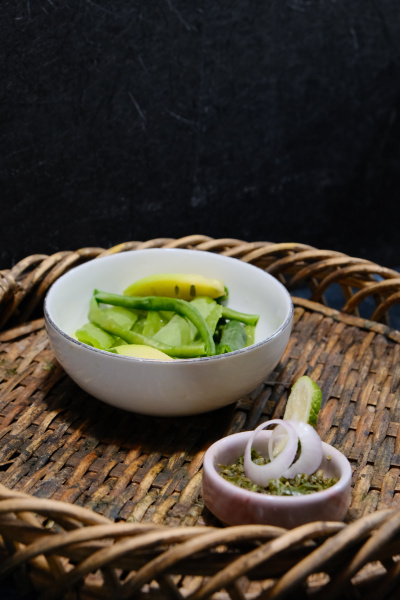
One is Toja Morich Bhorta, made with boiled vegetables and chilli mash. Dried fish, onion and a little lemon are added, and the dish is eaten by mixing it with rice.
The menu also includes Chicken Laksa, made with steamed chicken, lemon and chilli.
“The chicken is steamed and then prepared with lemon and chilli,” Tripura explains. “It is a sour and spicy, salad-style item. People really enjoy it as a snack.”
Together, these dishes show the range of flavours and techniques found in the food traditions of the hilly regions. Steaming, boiling, mashing and lightly seasoning ingredients allow the natural taste of vegetables, herbs, bamboo shoots, fish and meat to remain prominent.
Introducing unfamiliar flavours
Running the restaurant involves more than preparing food. Tripura and his team must also explain the dishes to customers who may never have heard their names.
 For all latest news, follow The Daily Star's Google News channel.
 “At first, people ask, ‘What is this?’ because they have not even heard the names,” he says. “We have to present it to them very politely and explain what it is.”
There is always some uncertainty when a new customer tastes the food. “We feel a little anxious about whether they will like it, since they are not accustomed to these flavours,” he admits.
Positive feedback, therefore, carries particular significance.
“When a customer says the food is good, it feels like a great achievement for us,” he says. “It means we are successfully reviving something that was being lost.”
Preserving food through practice
Tripura remembers a time when these dishes were more common in Khagrachari, where he once lived. He believes the growing popularity of fast food is gradually pushing traditional foods out of everyday life.
“With the rise of various fast-food items in Bangladesh, our traditional food and culture are on the verge of fading away,” he remarks.
The disappearance of a dish can also mean the loss of knowledge about local plants, ingredients and preparation methods. Preserving indigenous food therefore requires more than documenting recipes. The dishes must continue to be cooked, served and taught, while the communities behind them receive proper recognition.
“I hope more people start doing this so our heritage and culture can survive,” Tripura says.
Mungdi offers a reminder that Bangladesh’s culinary identity extends far beyond its most familiar dishes. In one light bowl of broth and handmade rice noodles lies a story of migration, entrepreneurship and cultural preservation.
Each time Tripura explains an unfamiliar dish to a customer, another traditional name enters Dhaka’s food vocabulary. Each bowl served becomes a small but meaningful act of keeping that heritage alive.
Photo: Silvia Mahjabin
Comments