


‘Cha khaben?’: The question that slows the world down

Certain questions do not merely request an answer but invite a pause in life’s otherwise unrelenting tempo.
“Cha khaben?” is one of them.

It is, on the surface, disarmingly simple: "Would you like some tea?" Yet in Bangladesh, along with across much of the subcontinent and the world, it rarely behaves like a question alone. It extends a hand without touching one.
The question has come at places that share nothing in common except humanity itself. On the cracked verandas of old homes where ceiling fans struggle against the humidity. In cramped offices where deadlines gather like storm clouds. At roadside stalls where the kettle never quite stops breathing steam into the air. Even in professional appointments, where formality tries its best to keep emotion at bay, tea arrives like an uninvited but welcome moderator.
It is not incidental that tea occupies this position. In societies like ours, where conversation is often both currency and comfort, tea becomes its most reliable enabler. It gives people something to do with their hands while they negotiate what to say with their hearts. It delays silence just long enough for language to catch up.
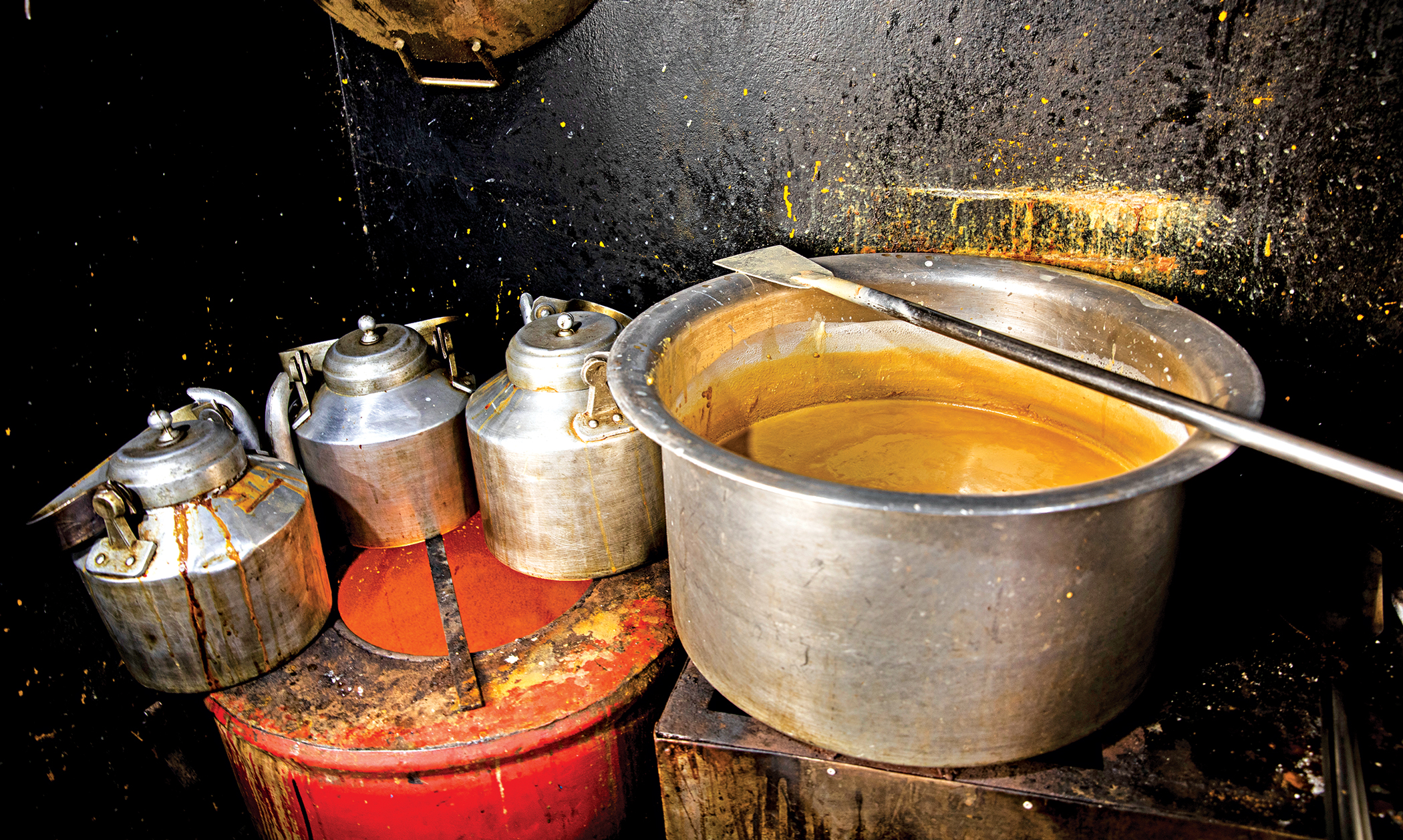
One does not simply offer tea; one offers a temporary suspension of distance. Between strangers, it reduces unfamiliarity to manageable proportions. Between friends, it deepens the sense that presence itself is enough justification. Between colleagues, it transforms hierarchy into something briefly porous.
There is also something almost democratic about it as tea does not discriminate in its invitation. The same question is posed to the powerful and the powerless with equal ease, though the meanings may subtly shift in response. In that small act lies a quiet social equaliser -- a shared cup levels tone, if not always status.
Morning begins with it as ritual, afternoons lean on it as pause, evenings sometimes dissolve into it as excuse. The roadside “tong” functions less like a shop and more like an informal forum where opinions are exchanged with the confidence of certainty and the impermanence of steam.
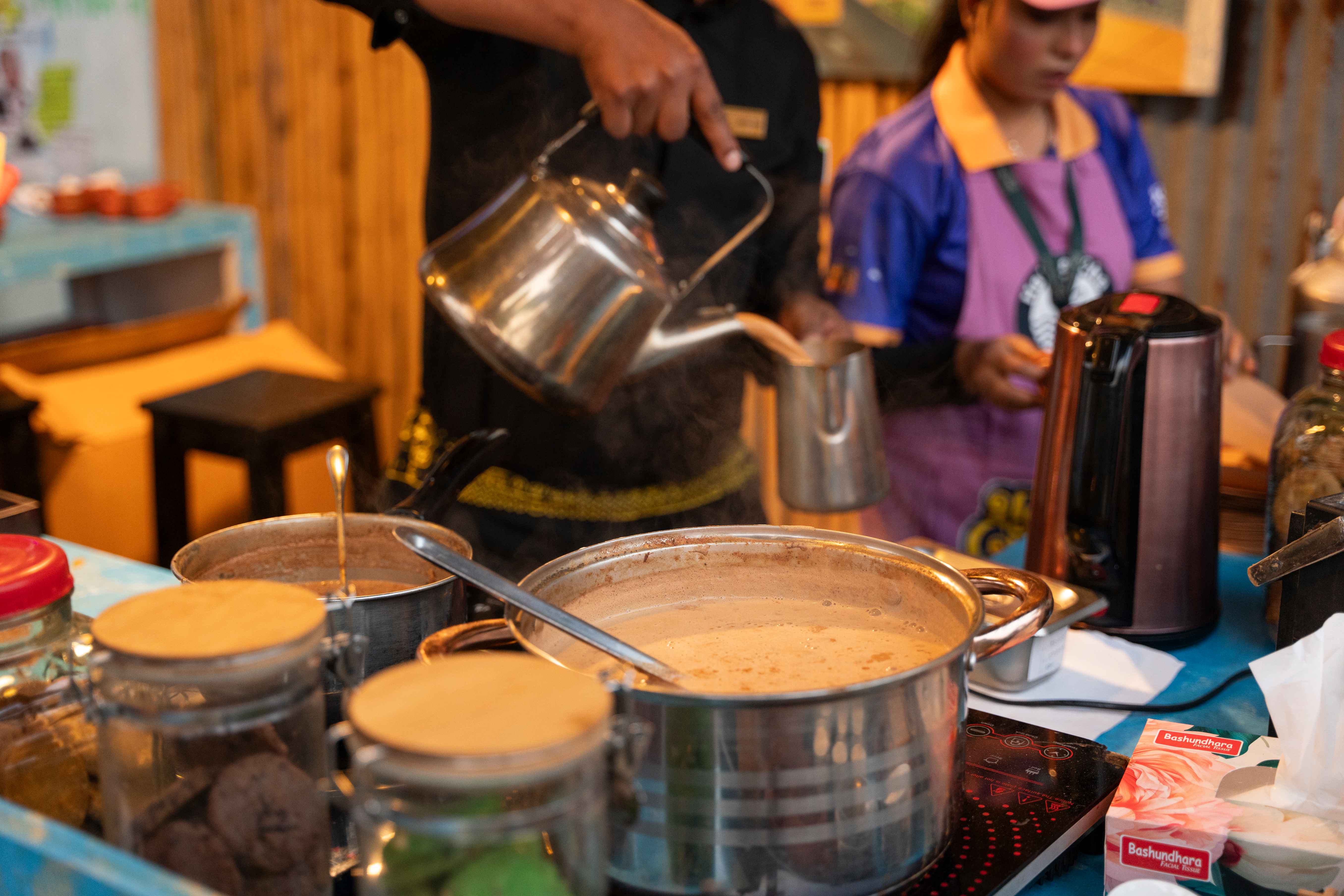
And yet, what makes tea culturally remarkable is not its ubiquity but its adaptability.
It is equally at home in the aesthetic minimalism of a corporate meeting room and the chaotic warmth of a village gathering. It can be delicate or strong, sweet or spiced, hurried or lingering.
World Tea Day, observed globally on May 21, offers a convenient pause to acknowledge what daily habit often conceals.
Tea is one of the most widely consumed beverages in the world, but its true significance lies not in consumption statistics or agricultural economies alone. It lies in the invisible infrastructure of interaction it sustains.
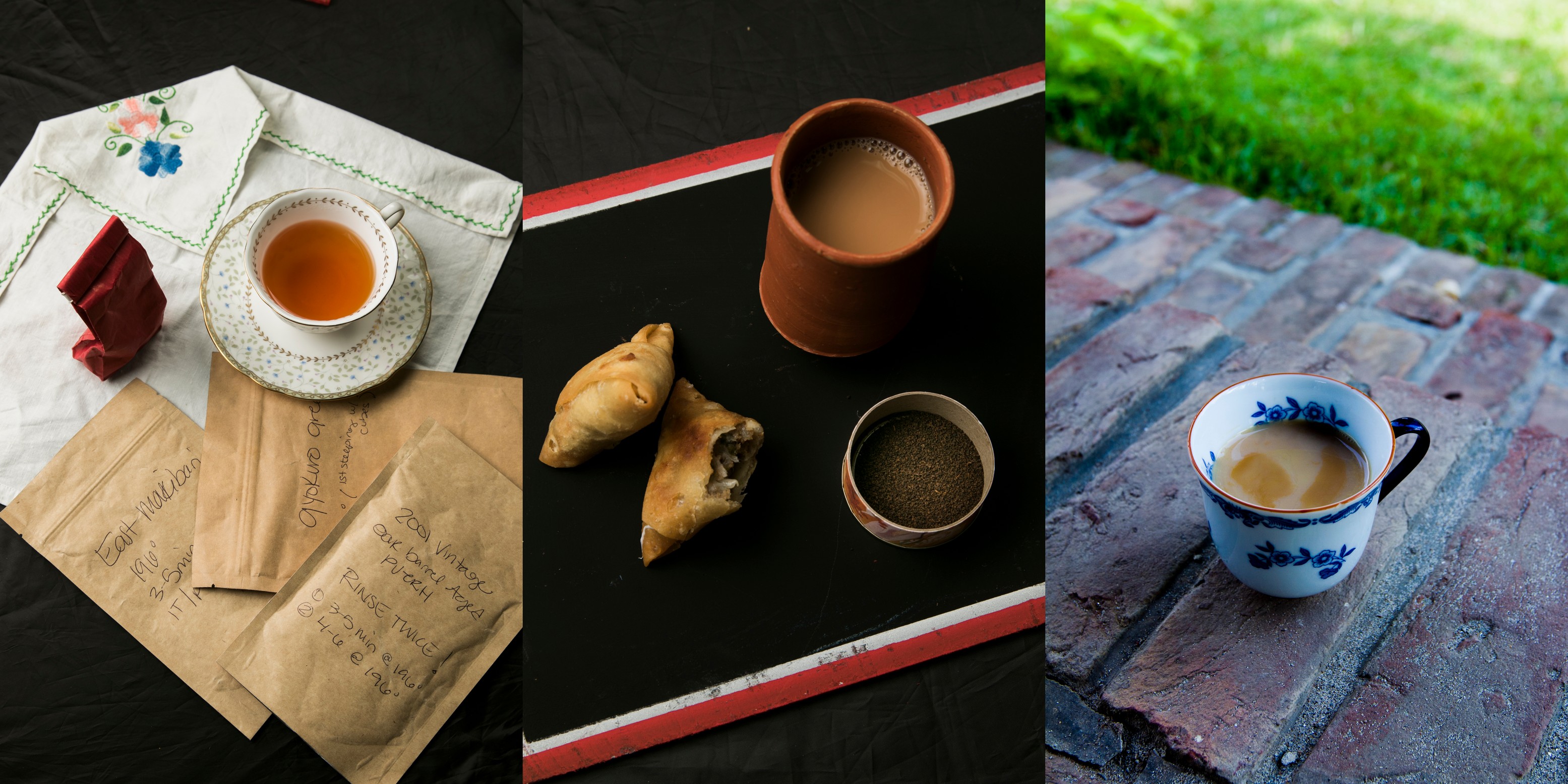
Across continents, it performs a similar social function, though each culture writes its own accent into the cup.
There is also a subtle psychology embedded in the act of offering tea. It delays confrontation. It buys time. It creates a shared rhythm before divergence of opinion begins.
Many difficult conversations are made marginally easier simply because there is tea between the people having them.
It is, in that sense, a social lubricant, but of a far more humane kind than the phrase usually implies.
Having tea with someone is about noticing another person’s presence and deciding that it merits comfort, however small. In a world increasingly impatient with pause, it is one of the last acceptable excuses to slow down without explanation.
 For all latest news, follow The Daily Star's Google News channel.
 In the end, tea is rarely remembered for its taste alone. It is remembered for what it held together while it was being drunk. Conversations that might otherwise never have happened. Silences that did not feel uncomfortable. Encounters that might have remained incomplete.
So, would you like a cup of tea?