


Child abusers at bay
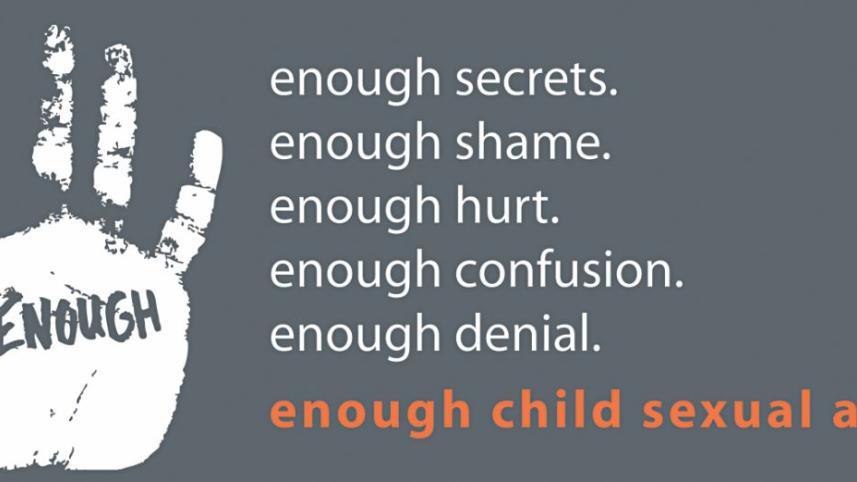
As time progresses, the world is becoming more digitalised. In the early days of the Internet it was young adults who came and conquered. As it became more mainstream various types of people began flooding the Internet. In the early 2000s, we were unaware of the potential it held so the good and the bad ran rampant. You could download child pornography as easily as you could a song. Predators didn't have to hide.
 For all latest news, follow The Daily Star's Google News channel.
 Nowadays it has become safer, although authorities are tracking down culprits it's not as easy to get into trouble. The threat is not yet diminished. Truth is, no matter how many people you catch there will always be more. Therefore, parents of this generation need to be fully aware of the lengths a predator will go.
As rosy as the digital world might seem at first, the wolves lurk in every corner. Parents should regard it the same way they do in the real world. The teaching "don't take candy from strangers" rings true for the Internet as well. Some might think sexual predators only exist in chat rooms and shady forums, but that is not true.
Facebook is a very popular destination for younger people. And predators always follow their prey. Social networking sites and chat rooms may be a two way deal but parents often underestimate the power of coercion these predators can possess. These aren't your average "can we make friendship" people. They are manipulative human beings who are very careful when it comes to picking victims.
Then there are blogs and picture sharing sites. These are even more dangerous for children. The pictures and personal information one puts up is there for all to see. For blogs there are barely any privacy settings and so anyone can search up your name and save some of your pictures. On blogs, your personal musings become public and anyone can contact you anonymously.
A very interesting case of justice popped up in the news a few years back. It presented a very innovative idea that was enormously successful in identifying paedophiles. Terre des Hommes is a child rights group based in the Netherlands and they created a computer generated highly realistic ten year old named Sweetie. A team of researchers logged into chat rooms under the guise of Sweetie and engaged in chat sessions with child abusers. The researchers then began to identify the people using the personal information given during the chat. Once identified, the dossiers are handed over to the authorities. In the first few months of the operation, the organisation compiled the dossiers of over 1000 predators from over 71 countries including four from Bangladesh.
According to the UN and FBI, there are 750,000 predators online at any time of the day. Studies have shown that paedophiles usually look for children in developing countries, paying them with untraceable credit cards or wire transfers in return for online sex shows.
"These children are usually forced to do this by adults or by extreme poverty," Hans Guyt, director at Terre des Hommes Netherlands, said in a statement. "Sometimes they have to testify against their own family, which is almost an impossible thing to do for a child."
So what can you, as a parent, do to protect your children? Let's not pretend that you can completely cut off your child from the Internet. You need to take into account that even 12 year olds need the net for their homework. Parental supervision is necessary for children younger than 12. Once they turn 13 you can give them perhaps an hour on the Internet. Once they are more mature and turn 16 they can get more leeway. You should know the computer better than your child. Put up child locks and filters. Chat rooms and explicit sites can easily be locked.
Then there is the "talk." Remember that you can find basically anything on the Internet. Give them a rough idea of sexual predators. But don't just tell them not to talk to anyone that might end up having the opposite effect. There are friends to be made on the Internet, one just needs to be careful of those who are not what they appear to be.
Finally you need to take a step back and realise if your actions are planting the seed for trouble later on. Giving early access to technology makes children dependant on it from a very young age. Informative games and educative websites are fine, but when you give them full access to a tab or the PC, then you're just asking for it.
Even if you take away the predators, being active on social networking sites from pre-teens make children prone to narcissism, low self confidence, obesity, health related problems, technology addiction according to multiple studies. Once you realise your mistakes act accordingly.
"Nothing is forgotten on the Internet" is a common saying and it is very true. Keep that in mind when raising a child in this crazy world.
By Daneesha Khan
Photo: Collected


Comments