


Inside the nuclear deal between US and Bangladesh

The Bangladesh-US civil nuclear deal essentially allows government agencies, regulators, officials, and companies in this sector to explore means of cooperation. That will potentially lead to better expertise, appropriate policies and optimum security protocols opening up the possibility of importing US nuclear materials.
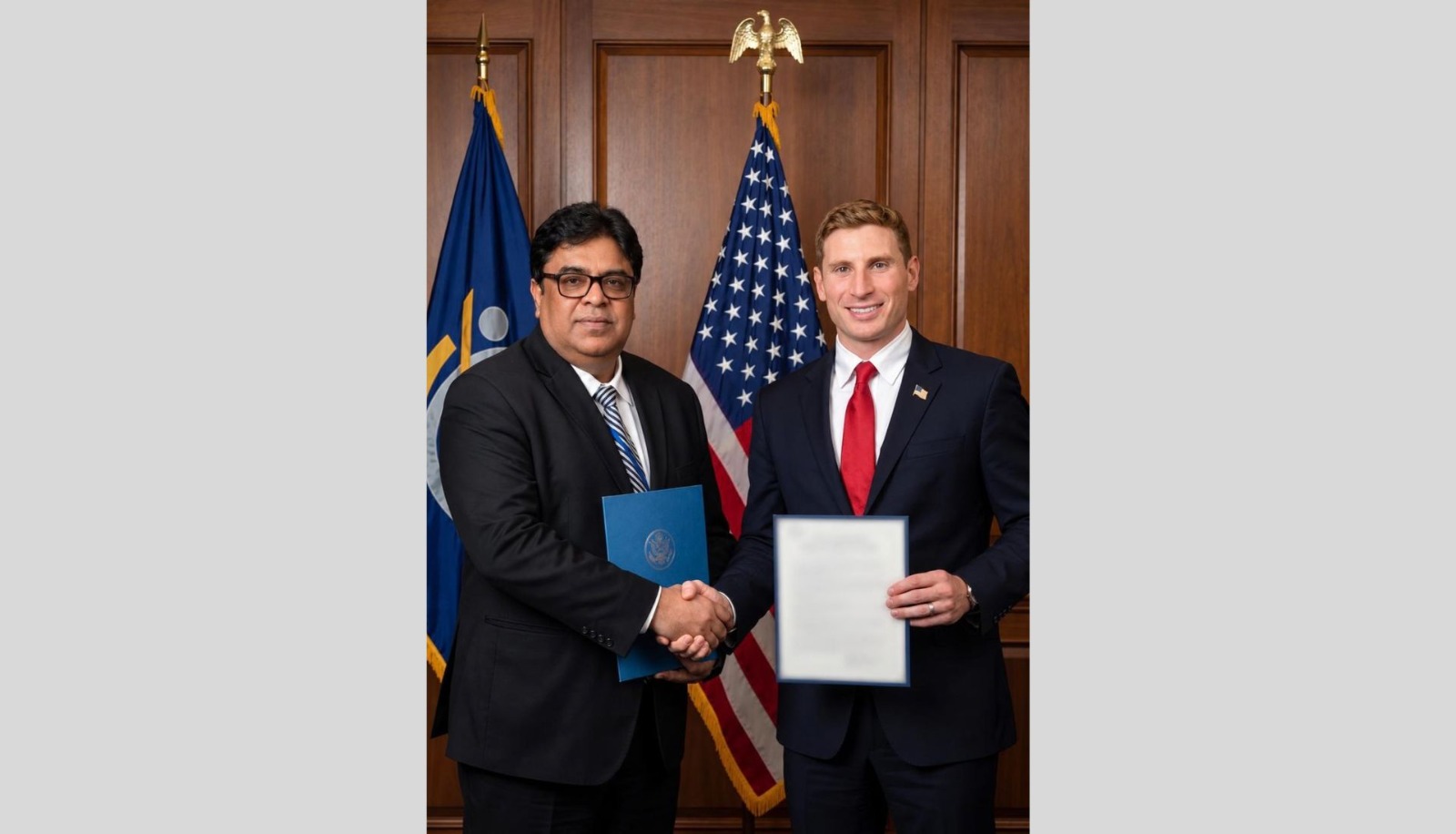
While the memorandum of understanding (which became effective on September 25 when it was signed in New York) is non-binding and does not allow for exchange of nuclear material, it is a precursor to what is called a ‘123 agreement’.

The US State Department describes this as an agreement that establishes the rules under which the US and another country can transfer nuclear material and equipment.
So what does this deal entail really?
In one sentence, the MOU allows their officials, agencies and businesses to talk to ours and see if there are opportunities.
The five-page document, obtained by The Daily Star, lays out areas of interest --both strategic and commercial -- as well as desired safety and security standards. The preamble to the “strategic civil nuclear cooperation” recognises “the role that nuclear energy can play in meeting the participants’ energy needs and further developing their strategic relationship.”
It welcomes, “future discussions and agreements among the governments, companies, and industries” and notes that the two countries desire to enhance relations among government and private sector officials.
Notably, the preamble also recalls the cooperation agreement between Bangladesh and US concerning “peaceful uses of nuclear energy” of 1981. Incidentally this older treaty, which has expired, was in fact one such ‘123 agreement’. The name derives from section 123 of the US Atomic Energy Act of 1954, which stipulates a guarantee of safeguards for nuclear material and equipment, and bars use of nuclear material for “explosive device, research or development of one, or another military purpose…”.
Such an agreement would be the logical next step.
Moving into the agreement proper, the first section outlines areas of interest and increased cooperation like national security, energy security and cyber security; collaboration between relevant government agencies, ministries, and regulators; development and implementation of regulations governing nuclear energy; building capacity for independent oversight; collaboration for developing relevant expertise; and maintenance of highest safety, security standards and safeguards.
Together, this means that the deal looks to lay the groundwork necessary for US companies to build reactors in Bangladesh or sell us enriched uranium. That would require that the government has appropriate regulations and protocols in place, that there is enough local expertise to handle the equipment and that there are enough safeguards that the nuclear material does not fall into the wrong hands.
Two sub-paragraphs of section 1 are revealing about US intentions and interests. One states the desire to support future developments including new technologies “such as advanced and small modular reactors, and to address commercial challenges such as financing, localization, and nuclear liability”.
The small modular reactors are prefabricated power generating units, parts of which can be assembled on site. These reactors typically produce up to 300MW --much less than the typical 1000MW-plus capacity -- take up much less space and require much less time since they don’t have to be custom built at the site.
But there are several questions that need to be answered. One is “financing”. The US government will presumably extend lines of credit. There is also “localisation”, which essentially means the ability to manufacture, maintain, service and run the facilities and equipment with local expertise. As for “nuclear liability”, it indicates the extent of responsibility for the parties when something goes wrong. These need to be negotiated later down the line when matters crystallise further.
The other paragraph states a willingness to “explore cooperation across the breadth of existing and future US civil nuclear technologies, fuel, equipment, and services when appropriate”. This naturally brings up the question of whether Bangladesh would be required to buy uranium pellets from US for use in Rooppur, which is built by Russia.
Not yet. Not by dint of this deal, at least.
Section 2 reads, “This MOU does not create rights or obligations under domestic or international law.” Meaning that it is not obligatory for the parties to abide by the provisions of this deal. The same section goes on to state that activities under this agreement will be governed by “national laws and regulations”.
As the prime minister’s information adviser stressed that this deal would not affect the Rooppur operations, section 5 reads, “This MOU in no way restricts the Participants from participating in similar activities with other public or private organizations, agencies, and individuals.”
This MOU framework was specifically built to provide the political coverage for government agencies, regulators, scientists, officials and private companies of both countries to talk to each other.
 For all latest news, follow The Daily Star's Google News channel.
 The MOU with the Philippines signed in March 2022, which is available on the internet, is similar to the one with Bangladesh except that the Filipino deal explicitly states the “intention to open negotiations for a new agreement for peaceful nuclear cooperation concerning civil uses of nuclear energy”. Their 123 agreement was signed in 2023 and entered into force in July 2024.
The Bangladeshi deal, however, does state the desire to “engage in other forms of civil nuclear cooperation that may be mutually determined by the Participants”.
This deal is valid for five years and keeps renewing automatically for five more years, unless discontinued by either party with a six-month warning.
There is a noticeable confidentiality requirement as well. It states that except when stipulated by national laws or regulations, “the Participants intend not to disclose to third parties the provisions of this MOU or any information or documents within the framework or implementation of this MOU without the written consent of the other Participant”.
The United States introduced this programme of nuclear cooperation MOU in 2019. One UN report from 2021 lists Bulgaria, Ghana, Poland, Romania and Slovenia as those who had signed it till then.
Comments