


BNP appointed 14-15 opponents of Bangladesh’s independence to top state posts: Porwar

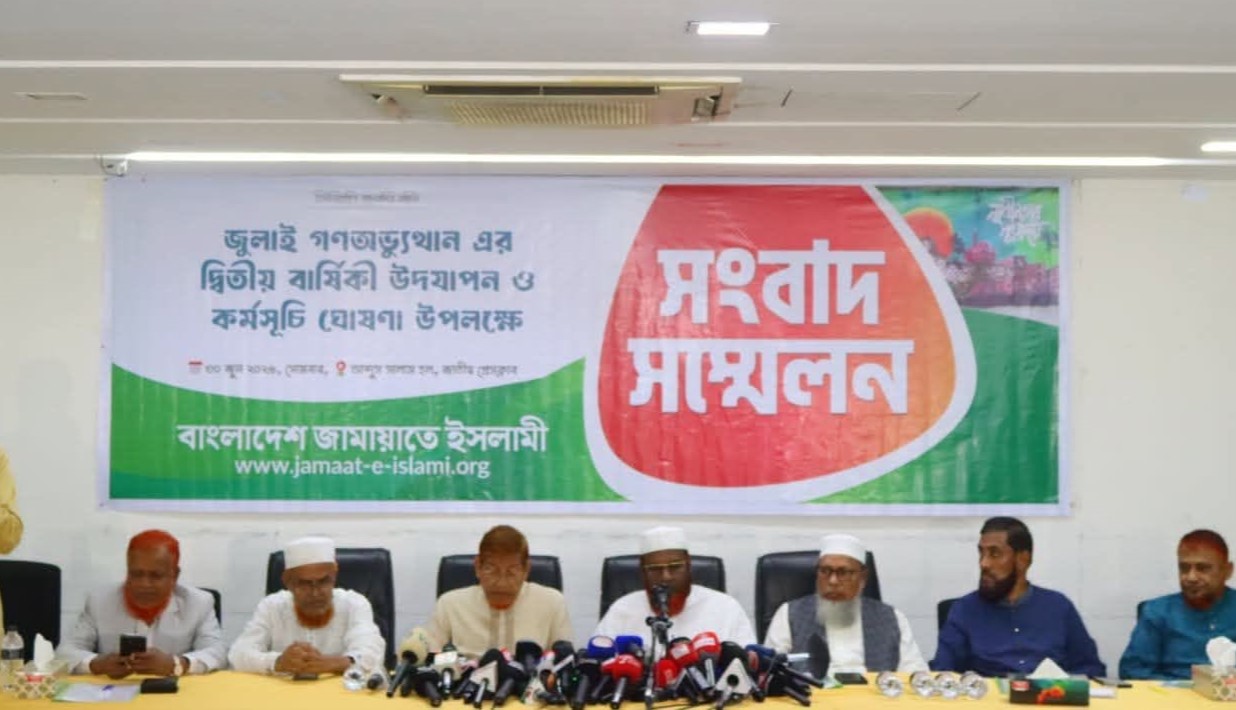
Bangladesh Jamaat-e-Islami Secretary General Mia Golam Porwar on Tuesday responded to BNP Secretary General Mirza Fakhrul Islam Alamgir’s call for Jamaat to apologise to the nation for opposing Bangladesh’s independence in 1971, questioning the BNP’s own record on the issue.
“After coming to power in independent Bangladesh, the BNP appointed at least 14 or 15 people as ministers, MPs, presidents and prime ministers who had supported Pakistan’s unity and opposed Bangladesh’s independence,” he said at a press conference at the National Press Club.

“So, the BNP should answer for that,” the Jamaat leader added.
The press conference was organised to announce Jamaat's 36-day programme marking the second anniversary of the July Uprising.
Speaking in parliament on Sunday, LGRD Minister Fakhrul urged Jamaat to apologise to the nation for its role in opposing Bangladesh's independence in 1971.
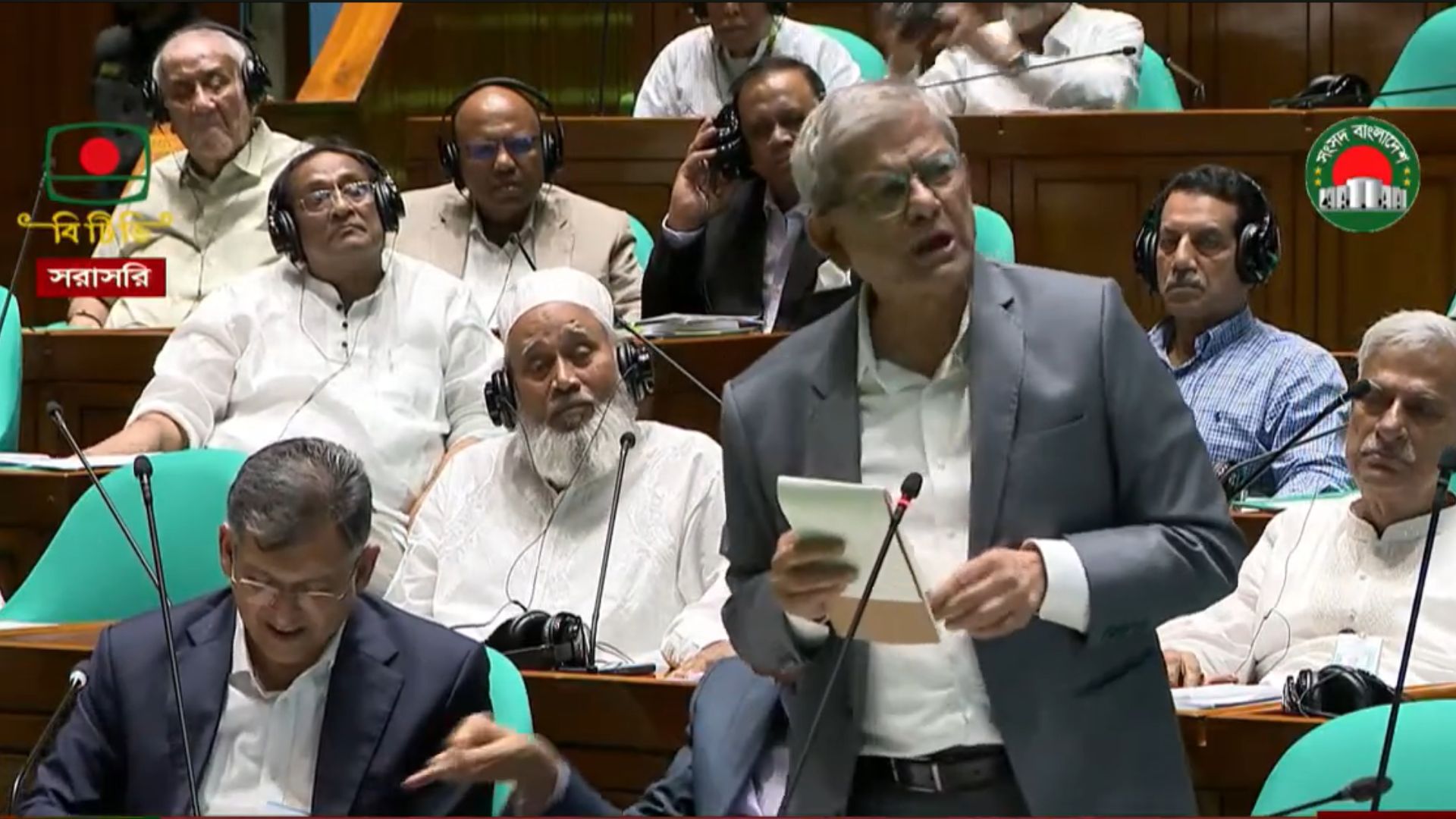
Responding to Fakhrul’s remarks, Porwar said, “Look at yourself in the mirror. Ask your father to apologise from his grave. We committed no crime, so why should we apologise? There are allegations that your father was the offender. You should therefore choose your words carefully.”
Criticising BNP for repeatedly raising the issue of 1971, he said, “They accuse Jamaat of being obsessed, but now it appears the government and the ruling party are the ones preoccupied with the issue. Even the BNP secretary general brings it up from time to time. Every few days, they revisit the settled question of the 1971 Liberation War, creating confusion among the public.”
On his party’s position during the Liberation War, Porwar said, "Under the political realities of Pakistan at that time, many political parties took positions that they believed would protect the country from Indian aggression. The leaders of those parties explained their positions to the nation at the time. Many of them are no longer alive. People may agree or disagree with those explanations; that remains a matter of political debate."
Referring to BNP's past alliance with Jamaat, he questioned why BNP had not raised the issue when the two parties were political partners.
Porwar said BNP and Jamaat remained allies for over two decades under Khaleda Zia's leadership through the four-party, 18-party and 20-party alliances.
He said BNP leaders had visited the residence of Ghulam Azam seeking Jamaat's support during a presidential election and had jointly addressed rallies and long marches without raising the issue of 1971.
Recalling Jamaat's support for BNP in forming the government in 1991, Porwar alleged that, after assuming office, activists of BNP's student wing, Jatiyatabadi Chhatra Dal, began killing leaders and activists of Islami Chhatra Shibir on university campuses.
"Was that the reward for supporting BNP?" he asked.
Porwar said whenever BNP lacked political or moral grounds to confront Jamaat, it resorted to "rehashing old issues" to mislead the public.

"They cannot find any substantive criticism against Jamaat today, so they repeatedly bring up settled issues. But they will not achieve what they hope to achieve," he said.
Porwar also criticised sections of the media, alleging that some newspapers owned by business groups were effectively acting as mouthpieces for a political party.
"If they have taken responsibility for implementing BNP's political agenda, they should declare it openly," he said, adding, "If the media is driven by such political vendettas and falsehoods, should we also follow that undesirable path in protesting against them? We do not want to."
 For all latest news, follow The Daily Star's Google News channel.
 He further alleged that those newspapers had openly supported the previous "fascist" regime and had changed their stance after the political transition.
Also speaking at the press conference, Jamaat Assistant Secretary General Hamidur Rahman Azad said Bangladesh had failed to become a better country because of divisive politics in the past and alleged that the current government was also pursuing politics of division from behind the scenes.
Comments