


Uncertainty hangs over timing of US-Iran peace talks as Switzerland meeting scrapped

The scrapping of plans for US and Iranian negotiators to meet in Switzerland on Friday created new uncertainty about the timing of talks that will seek to turn a memorandum to end more than three months of war into a more permanent peace deal.

Talks could also be complicated by an escalation of fighting in Lebanon, where Israel launched new attacks on Hezbollah militants. Lebanese authorities said 18 people were killed in airstrikes and Israel said four of its soldiers were killed in one of the Iran-backed group's deadliest attacks of the war.
The memorandum of understanding signed this week by the Iranian and US presidents left discussion of Iran's nuclear programme and other tough issues until later, giving the sides 60 days to reach a lasting agreement or extend the interim deal.
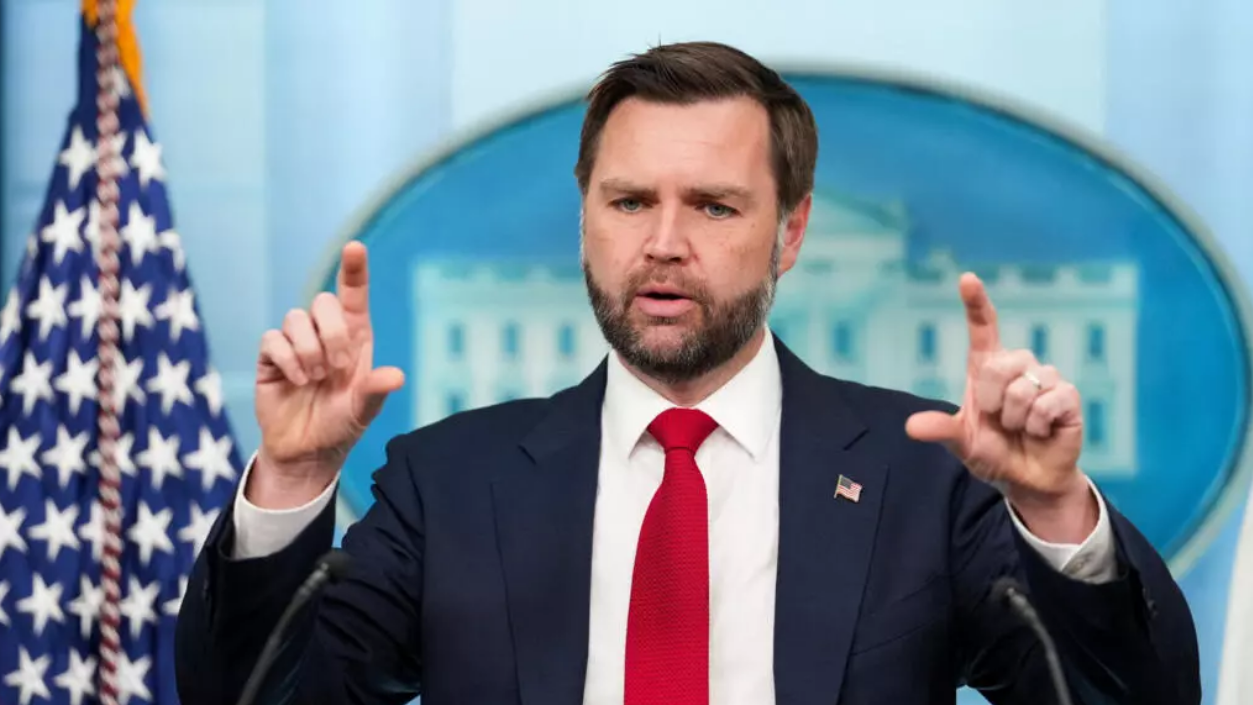
Preparations for technical talks to start in the Swiss mountaintop resort of Buergenstock were far advanced when US Vice President JD Vance said on Thursday he had dropped plans to attend, two people familiar with the matter told Reuters.
Earlier on Thursday, a source familiar with Tehran's thinking said Iran's lead negotiator Mohammad Baqer Qalibaf was not planning to attend.
Not only do some of the toughest issues remain unresolved, but efforts to secure a lasting agreement could also be complicated by Israel's conflict in Lebanon with Hezbollah.
The interim deal requires the United States, Iran and their allies to declare an immediate and permanent termination of military operations on all fronts, including Lebanon.
Israel, left out of the talks, says it is not party to the deal. Violence abated in Lebanon earlier this week, but has since picked up.
SWITZERLAND SAYS TALKS POSTPONED
The war, which began on February 28 with US and Israeli air attacks on Iran, has killed at least 7,000 people, mostly in Iran and Lebanon. It also pushed up energy prices and shook global markets but oil prices have dipped this week.
Prospects have brightened for more oil supply since tankers began moving through the Strait of Hormuz, which carried nearly a fifth of global crude oil and liquefied natural gas supplies before it was blockaded by Iran during the war.
Iran said it was ready to begin technical talks after this week's accord extended a tenuous ceasefire by at least 60 days.
Vance and the US delegation had been ready to depart as soon as plans for the talks had been finalised, the White House spokesperson said in a statement on Thursday night.
"But the logistics of these negotiations have never been simple or predictable," the statement said. There was no immediate response from Iran's government.
A Swiss foreign ministry statement said the talks had been postponed and that Switzerland remained ready to facilitate the talks and the relevant preparatory work was continuing.
US officials had also said they would hold a formal signing ceremony for the deal in Switzerland, but Iran's foreign ministry had cast doubt on the plan, calling it unnecessary after both countries' presidents signed the pact.
CRITICS SAY GOALS FELL SHORT
In Washington, some of US President Donald Trump's Republican allies in Congress questioned whether he had conceded too much in order to end the conflict, unpopular with most Americans in the run-up to midterm elections in November.
In March, Trump had sworn to end the war only with Iran's "UNCONDITIONAL SURRENDER."
 For all latest news, follow The Daily Star's Google News channel.
 But the memorandum signed with Iran instead provides relief from economic sanctions, unfreezes assets worth tens of billions of dollars and immediate US waivers for its exports of oil.
Iran's Supreme Leader Ayatollah Mojtaba Khamenei said Trump had signed the deal "out of desperation" and signalled that approaching talks over Iran's nuclear programme, among Trump's stated reasons for starting the war, would not be easy.
"If the American side wants to be too demanding, we will not accept it," he said in a message.
Iran's Supreme National Security Council vowed a reciprocal response to any violation by the "untrustworthy" American side, saying it would show "no leniency" until the nation's full rights were secured.
The deal gives negotiators 60 days to agree on the status of Iran's nuclear programme, unless an extension is agreed, and to set up a $300 billion reconstruction fund for Iran and other financial incentives.
Vance said Washington would also seek to limit Iran's long-range missiles.
The growing cost of the war also drew the spotlight, as the US defence department told lawmakers it needed $80 billion to cover the costs and some unrelated bills, The Wall Street Journal said.
US officials say the negotiations could still yield a strong agreement on Iran's nuclear programme, aiming to better one dating from 2015 between Iran, the US and other countries that Trump tore up in his first term.
But critics say Iran is in a stronger position now, having withstood a superpower attack, demonstrated its control of the Strait of Hormuz and gained valuable waivers to financial sanctions.
The text above has been cleaned of PDF extraction errors, advertisement inserts, image-gallery remnants, navigation text, and invisible character corruption while retaining the original content.
Comments