


Address measles’ financial toll on the poor
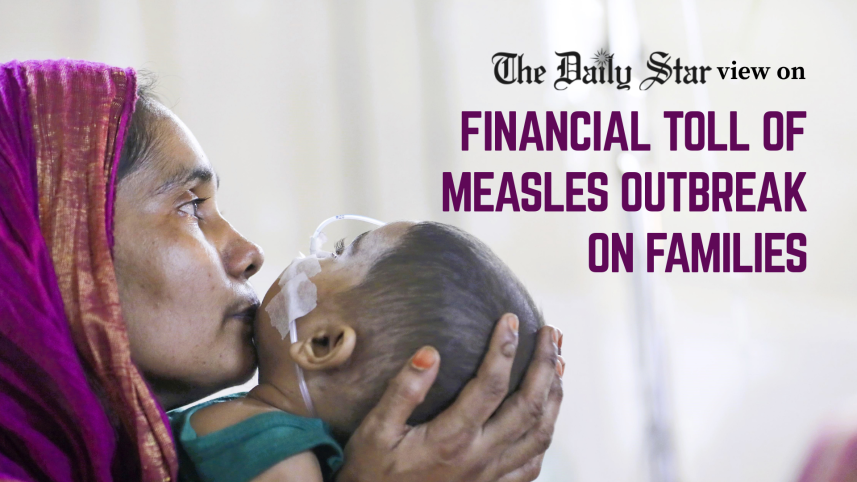
As the country continues to grapple with its worst measles outbreak in decades, another alarming consequence of the crisis is becoming increasingly evident. An assessment by the Bangladesh Red Crescent Society (BDRCS) and the International Federation of Red Cross and Red Crescent Societies (IFRC) shows that the outbreak is pushing thousands of poor families into debt, with nearly nine in 10 affected households forced to borrow money to cover treatment-related expenses. These findings make it clear that the government’s response should not focus solely on containing infections but must also protect vulnerable households from the devastating financial consequences of the outbreak.

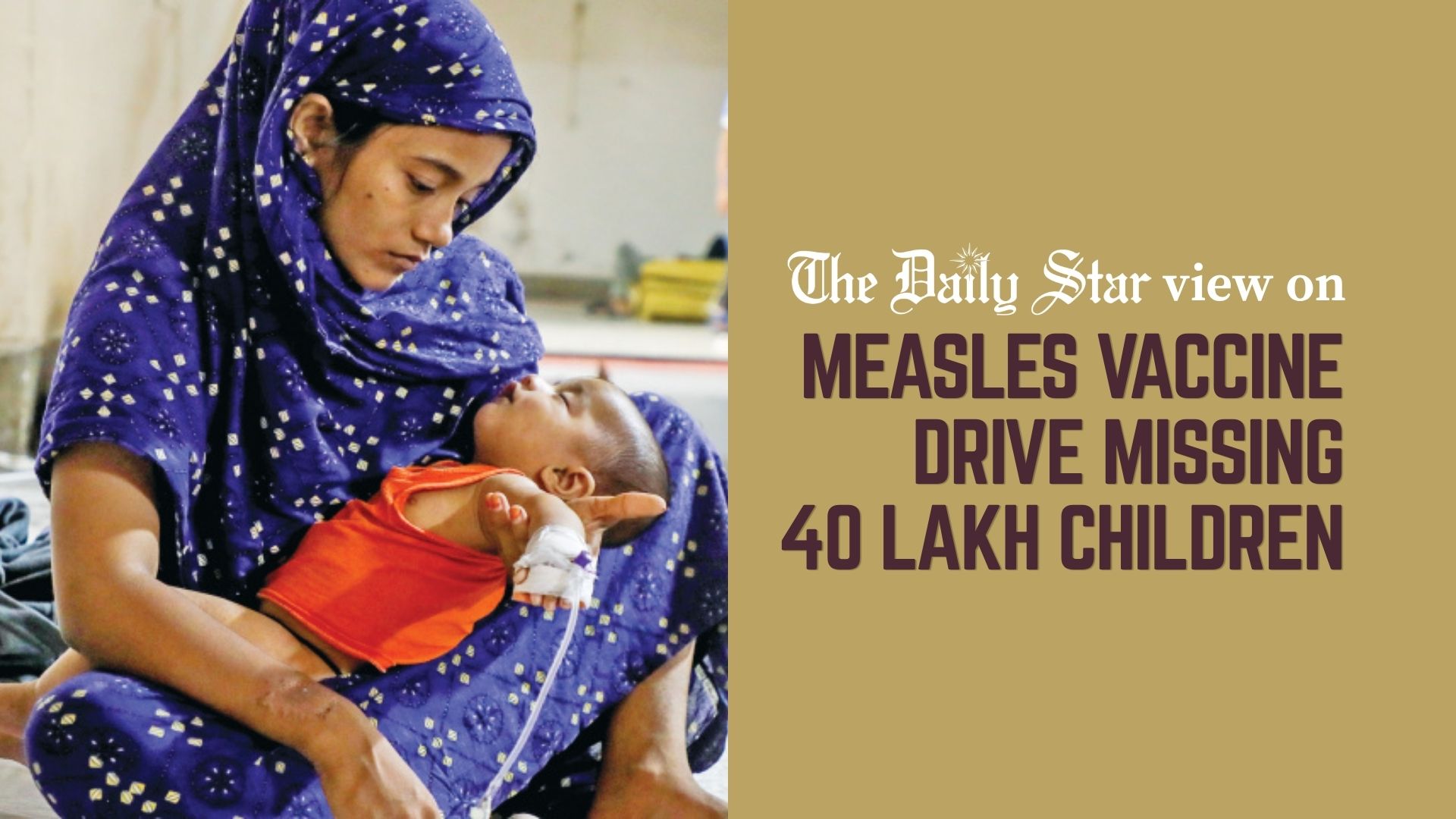
As of July 31, at least 1.44 lakh patients, mostly children, had been hospitalised with measles or measles-like symptoms across the country this year, while measles-related death toll had reached 810. Based on a survey of 2,746 measles-affected households treated at 12 government hospitals, the assessment found that 88.9 percent of households had borrowed money to cover treatment-related costs, 60.8 percent had depleted their savings, and some had even been forced to sell assets or depend on donations. This is despite the fact that treatment at government hospitals is officially free. According to the assessment, treatment and related expenses average Tk 16,000 and can go up to Tk 65,000, including transport, diagnostic tests, and other daily necessities. For children requiring intensive care at private hospitals, costs often run into several lakh taka.
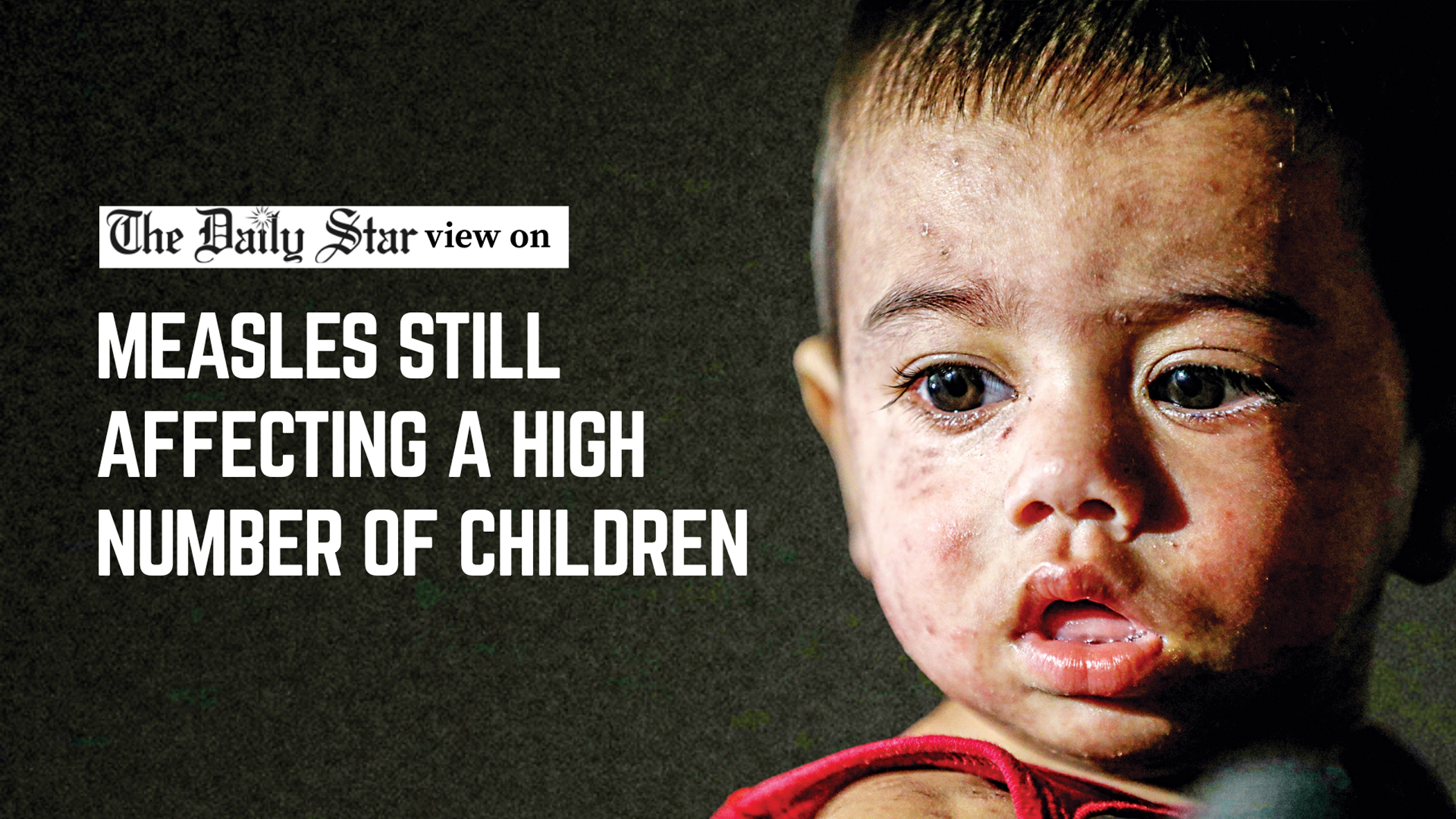
Since most affected families depend on informal work and earn between Tk 6,000 and Tk 20,000 a month, the financial burden has been severe. For low-income households travelling from rural areas to Dhaka after local health facilities fail to manage complications, these expenses can quickly become overwhelming. The assessment also found that many families lost wages or even their sources of income while caring for their sick children in hospital. Health economists have described the situation as a classic example of "catastrophic health expenditure," where healthcare costs consume such a large share of household income that families are compelled to borrow, exhaust their savings, or sell productive assets. The situation demands an urgent policy response.
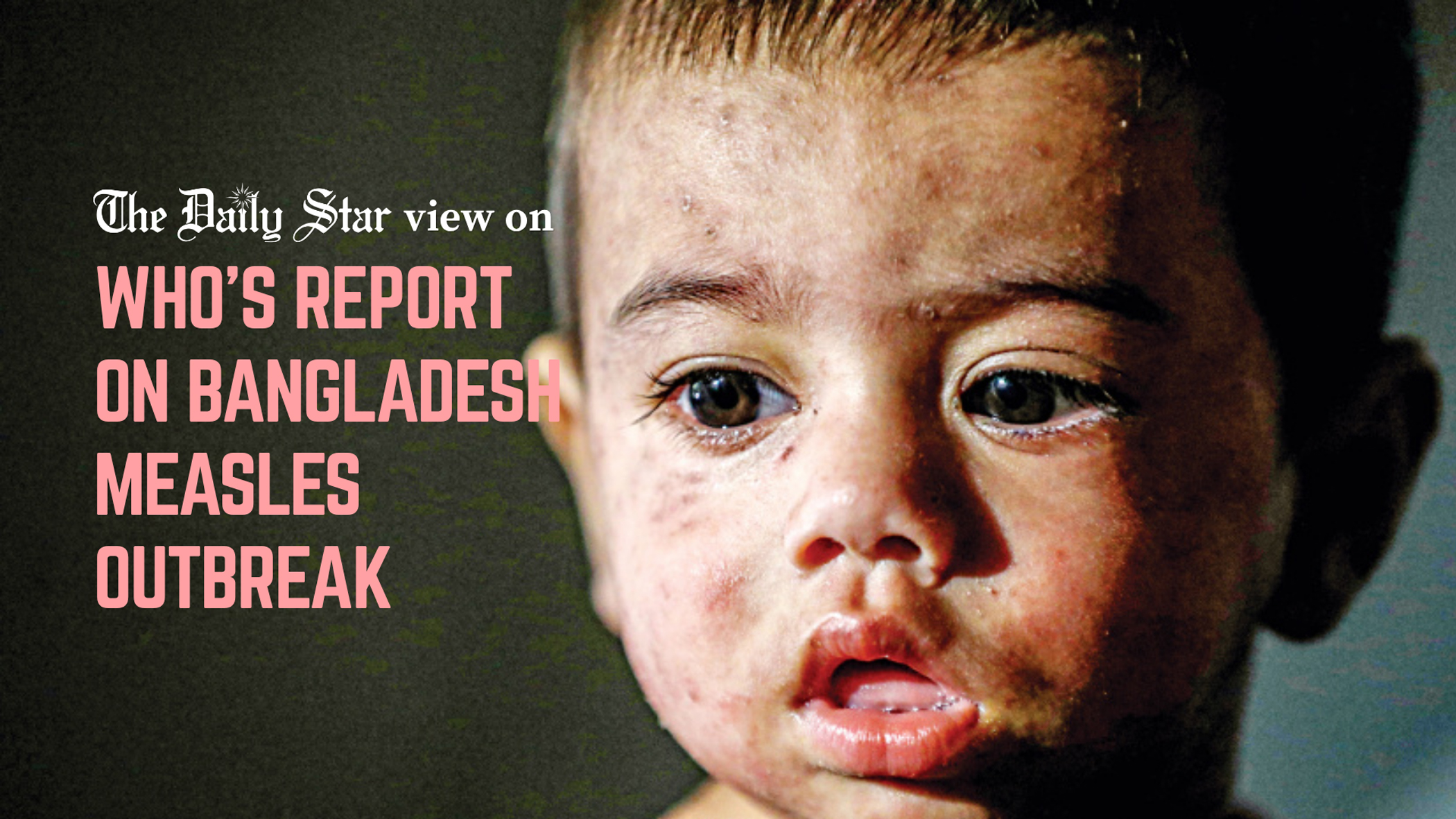
Alongside strengthening vaccination, surveillance, and treatment capacity, authorities should establish an emergency treatment support fund for low-income families, ensure an uninterrupted supply of essential medicines in public hospitals, and expand targeted cash assistance during major health emergencies. At the same time, investment in district-level healthcare facilities must continue so that families are not forced to travel long distances for treatment. The health authorities should also closely monitor adenovirus co-infections, as doctors warn that this virus can worsen complications and rapidly deteriorate the condition of measles patients. This can prolong hospital stays, increase treatment costs, and place an even heavier financial burden on already struggling families. Therefore, the government must take all measures possible to ensure that the financial burden of the measles outbreak does not push families further into poverty.
 For all latest news, follow The Daily Star's Google News channel.
Comments