


A fitting honour for Mirza Fakhrul
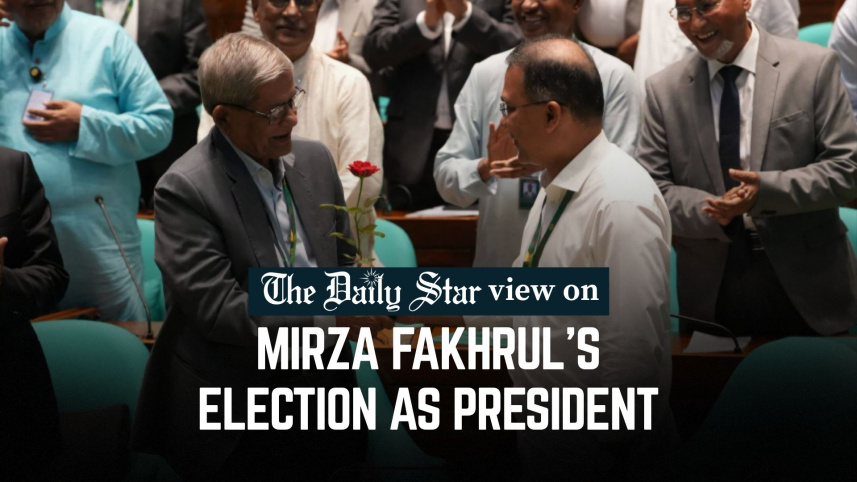
We congratulate Mirza Fakhrul Islam Alamgir on his election as Bangladesh's 23rd president, in the first contested presidential race the country has seen in 35 years. Fakhrul secured 255 votes to his rival's 88. It is a fitting honour for a man who has spent nearly six decades in public life—from his arrest as a student leader during the 1969 uprising against Ayub Khan, through ministerial office in the early 2000s, to a decade as the BNP’s secretary general. He spent much of that period as the party's most visible face on the streets while its senior leadership was jailed, exiled, or incapacitated. Fakhrul himself was repeatedly arrested and imprisoned for that opposition work. Few figures in Bangladesh’s politics have paid a higher personal price to keep a party, and in some sense a democratic movement, alive through its darkest years.

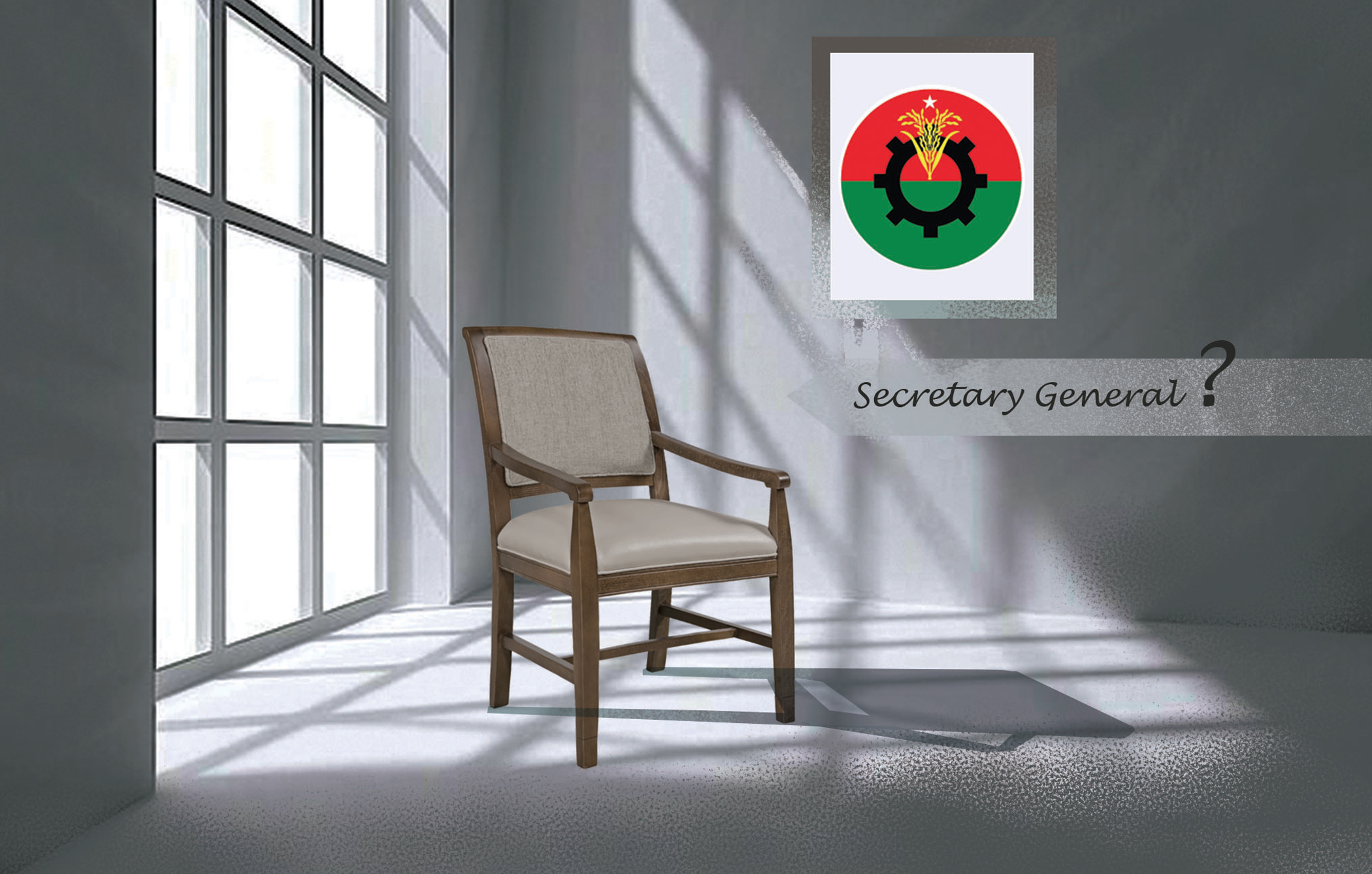
What comes next is important, because the office Mirza Fakhrul now holds is one of the weakest in South Asia. Since 1991, the presidency has been stripped of almost all discretionary authority, obliging the president to act on the prime minister's advice in nearly every matter. That has left the office unable to provide any meaningful counterweight as power steadily concentrated in the premiership over three decades—a drift that culminated in the autocratic turn of Sheikh Hasina's final years.
The July National Charter, signed by major parties in October 2025 and endorsed by more than 60 percent of voters who took part in February's referendum, was meant to begin correcting that imbalance. BNP itself signed on to a specific, if modest, set of new presidential powers, including the independent authority—exercised without the prime minister's advice—to appoint members of the NHRC, the Information Commission, the Law Commission, and the press council. That power alone gives the president a genuine, albeit narrow, role in safeguarding institutions that have been badly damaged.
The task now is implementation. BNP objected to placing Bangladesh Bank's governorship and the Energy Regulatory Commission beyond prime ministerial control—perhaps a fair reservation. But it has no such objection to the four appointment powers mentioned above, and there is no principled reason, we presume, for Prime Minister Tarique Rahman's government to delay them. That means completing stalled work to translate these commitments into constitutional amendments on a fixed timetable rather than letting it drift. BNP does not need to resolve every disputed clause of the charter to make good on the parts it already agreed to. It should start with the presidential office and give the country's new head of state a more dignified standing.
Mirza Fakhrul's own history makes him well-placed to test whether his presidency can meaningfully rebalance power. A man who spent much of his career holding power to account from outside government, often at real personal cost, understands better than most what an independent institution is for. This government should give him the chance to demonstrate it as president.
 For all latest news, follow The Daily Star's Google News channel.
Comments