


Make remittance transfers cheaper
We are concerned that Bangladesh remains among the least developed countries (LDCs) with the highest costs for sending remittances. According to the United Nations Conference on Trade and Development (UNCTAD)’s latest global trade update, the average cost of sending remittances to Bangladesh stands at 7-8 percent. This puts an unacceptably high burden on our migrant workers, who work hard for modest wages to support their families back home.

The UNCTAD report also points out that although digital services are expanding rapidly worldwide, LDCs are failing to keep pace. Global exports of digitally deliverable services (DDS) grew by an average 7.1 percent annually over the past decade and now account for 56 percent of global services exports. In contrast, services exports from LDCs grew by only 3 percent annually, with their share of global services exports falling to just 0.6 percent in 2025. DDS accounts for only 16 percent of services exports in LDCs, compared with 61 percent in developed economies—a gap that must be addressed.
As per the UNCTAD report, services such as logistics, finance, design and data management, which are considered crucial to the production of goods, are now key parts of global trade. Unfortunately, services account for only 13 percent of the inputs used in industrial goods exports in LDCs, including Bangladesh, compared with the global average of 33 percent. Improving these services is therefore essential for Bangladesh to remain competitive and take part in global value chains.
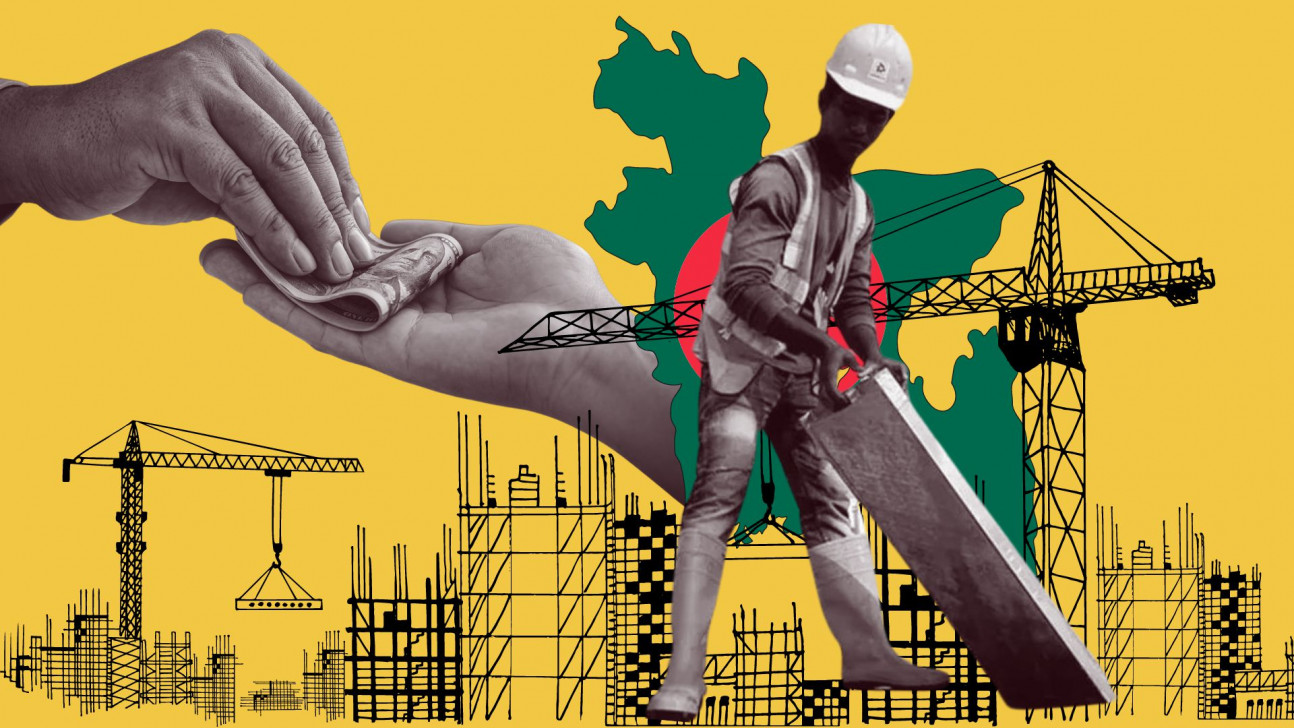
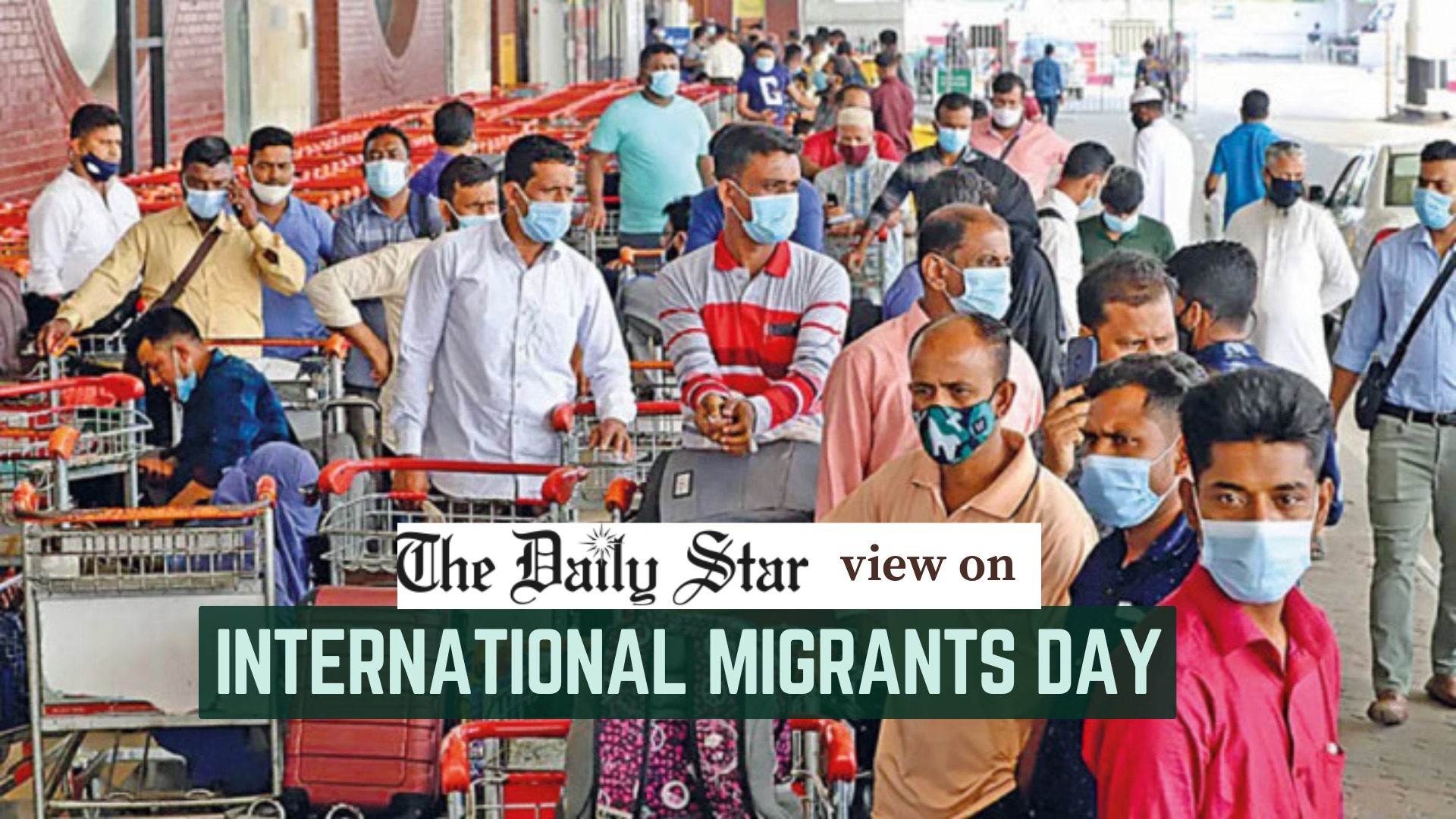
Bangladesh is one of the top 10 remittance-receiving countries in the world. Much of our external payment needs are met by the remittances sent by migrants, mainly from the Middle East. Reducing the cost of remittance transfers should therefore be a priority for the government. It should work with banks, money transfer operators and destination countries to increase competition, expand digital transfer options and simplify cross-border transactions. Besides, greater use of mobile financial services and other formal channels must be encouraged, while ensuring that exchange rates and fees remain transparent. Investing more in digital infrastructure and skills development is also of paramount importance. Lower remittance costs would allow migrant workers’ families to receive more of their hard-earned money. At the same time, stronger digital services could create jobs and bring in more foreign exchange and help diversify our economy.
 For all latest news, follow The Daily Star's Google News channel.
Comments