


Our youth need better vocational education
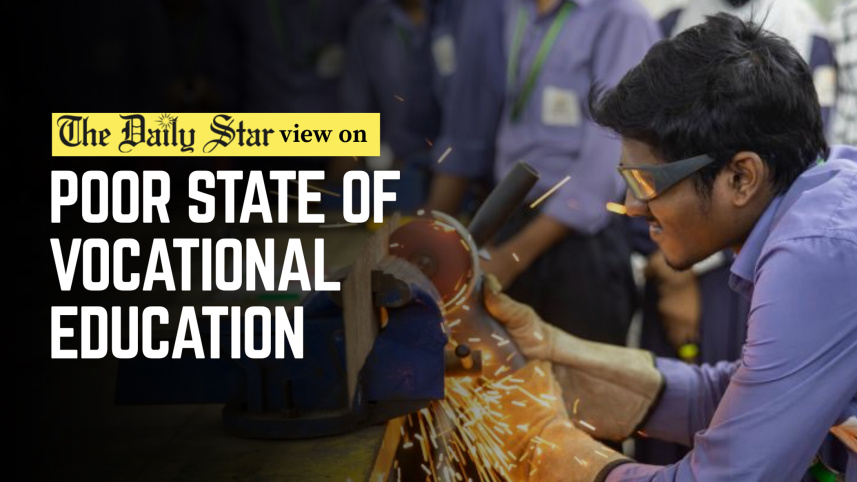
The importance of technical and vocational education in preparing our young people for the labour market cannot be overemphasised. The government has set a target of increasing the share of students in technical and vocational education to 30 percent by 2030. However, a recent report by Prothom Alo has revealed that many institutions established to achieve this goal exist only on paper. According to the Bangladesh Technical Education Board (BTEB), 621 of the country’s 3,440 approved vocational institutions have remained without students or educational activities for five consecutive years. BTEB records show that not a single student enrolled in these 443 SSC (Vocational) and 178 Dakhil (Vocational) institutions between 2021 and 2025. This is deeply concerning and calls for urgent action from our policymakers.

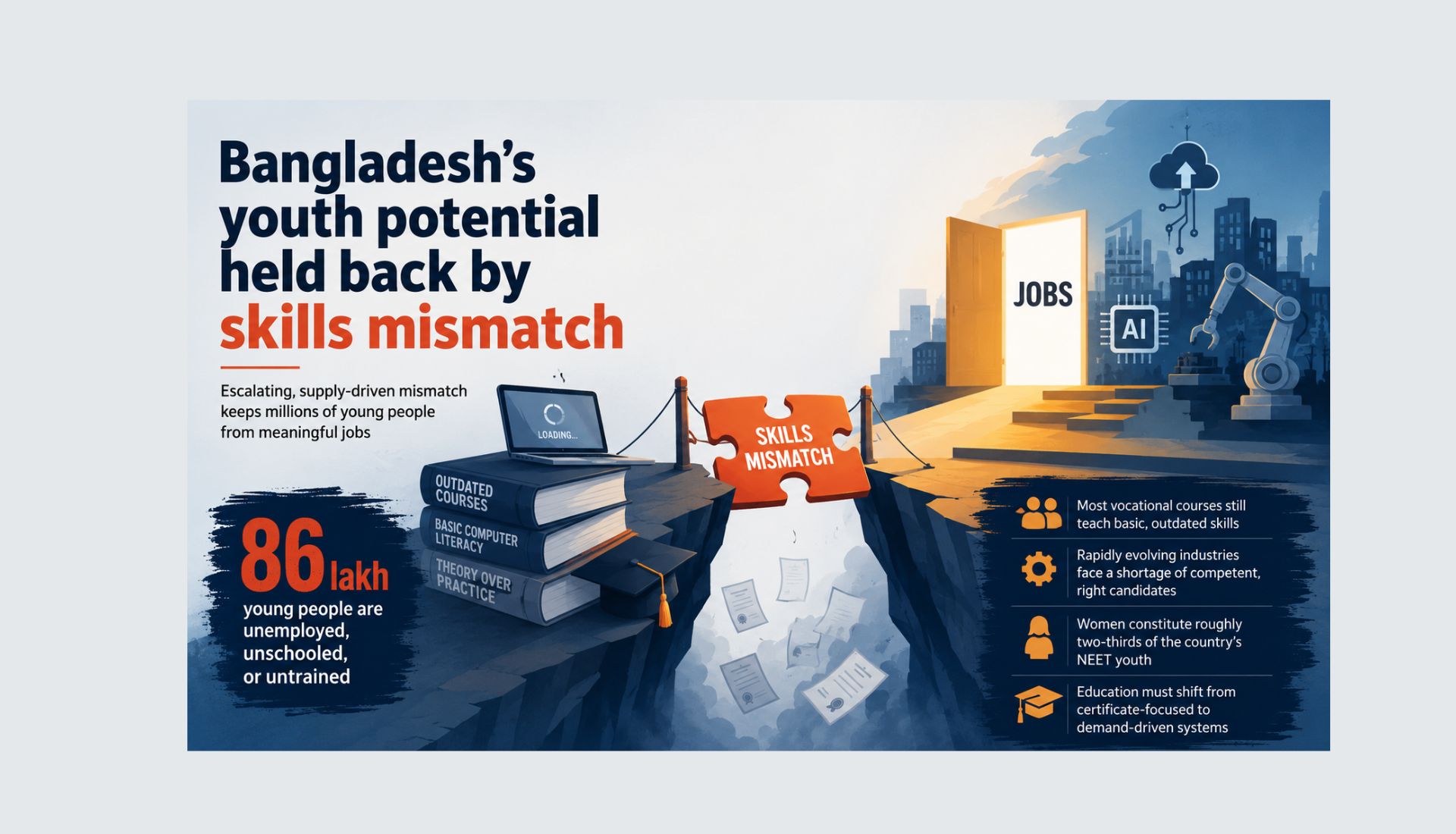
Reportedly, at the SSC level, technical schools and colleges filled only around 176,000 of their more than 567,000 available seats in the 2024–25 academic year. Government polytechnics also could not fill all their seats, while private polytechnics enrolled fewer than one in five students they had capacity for. Many of these institutions were approved without recruiting qualified teachers or providing laboratories, equipment, and other essential facilities. In some cases, vocational programmes have remained inactive for more than a decade. Even where courses are running, practical training often remains inadequate, undermining the very purpose of vocational education. Teacher shortages have become particularly severe after vocational teachers in many nationalised institutions were absorbed into general education posts. The lack of student interest in enrolling in these programmes is therefore understandable. The question is: why did the authorities allow these problems to persist for so long?
Unfortunately, our industries continue to report shortages of skilled workers, even as many young people struggle to find decent jobs. We have previously written that our education and skills training system must better match the changing needs of industry. Vocational education should be at the centre of that effort. But it cannot fulfil that role if institutions remain non-functional and practical learning is neglected.
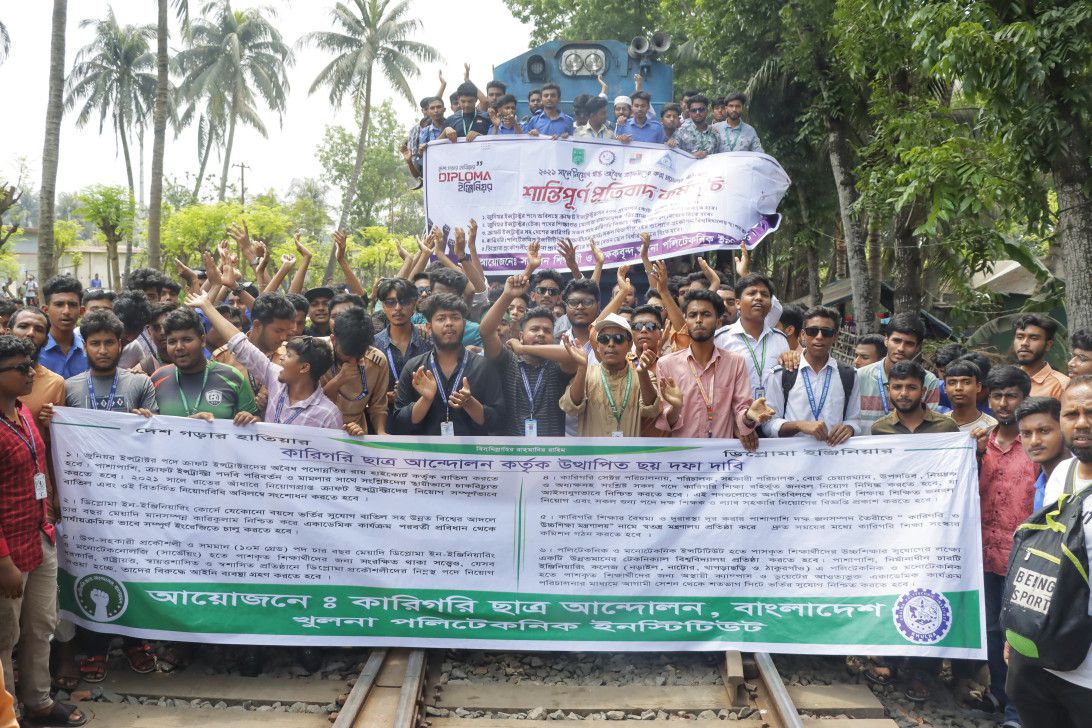
The BTEB has begun issuing show-cause notices to institutions that have remained inactive for years, which is a welcome step. However, the government must do more than close non-performing institutions. It should conduct a comprehensive review of the vocational education system, including a nationwide school mapping exercise, to determine where new institutions are needed and whether existing ones can provide quality training. It should approve new institutions based on actual demand, while existing ones must receive adequate teachers, laboratories, modern equipment, and regular monitoring. Curricula should also be updated in consultation with employers so that graduates acquire skills that industries genuinely need.
 For all latest news, follow The Daily Star's Google News channel.
Comments