


Repair broken hospital inspection system

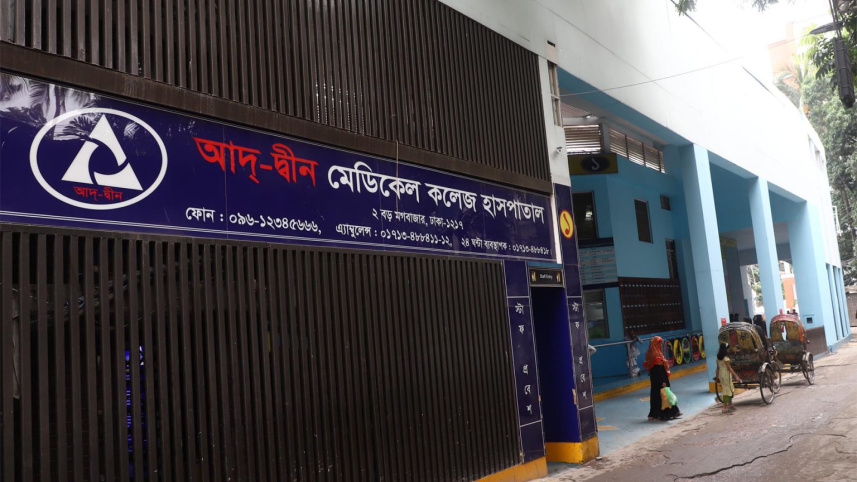
The death of six newborns in the same room at Ad-din Medical College Hospital in Dhaka, within a couple of hours on May 27, points to institutional failure. What the health minister found during a visit to the premises on Saturday evening was something close to a scandal. On the top floor of the medical college building was a bakery with two electric ovens. But no electrical engineer was present. Water had pooled in one area while waste was piled up in another. More troublingly, an unusual smell lingered inside the very post-operative room where the babies had stopped breathing.
Additionally, the post-operative room was located on the first floor of the hospital, while the neonatal intensive care unit (NICU) was on the fifth. The DGHS later described this arrangement as “problematic.” Yet, the distance existed long before Wednesday’s tragedy, and nobody acted.

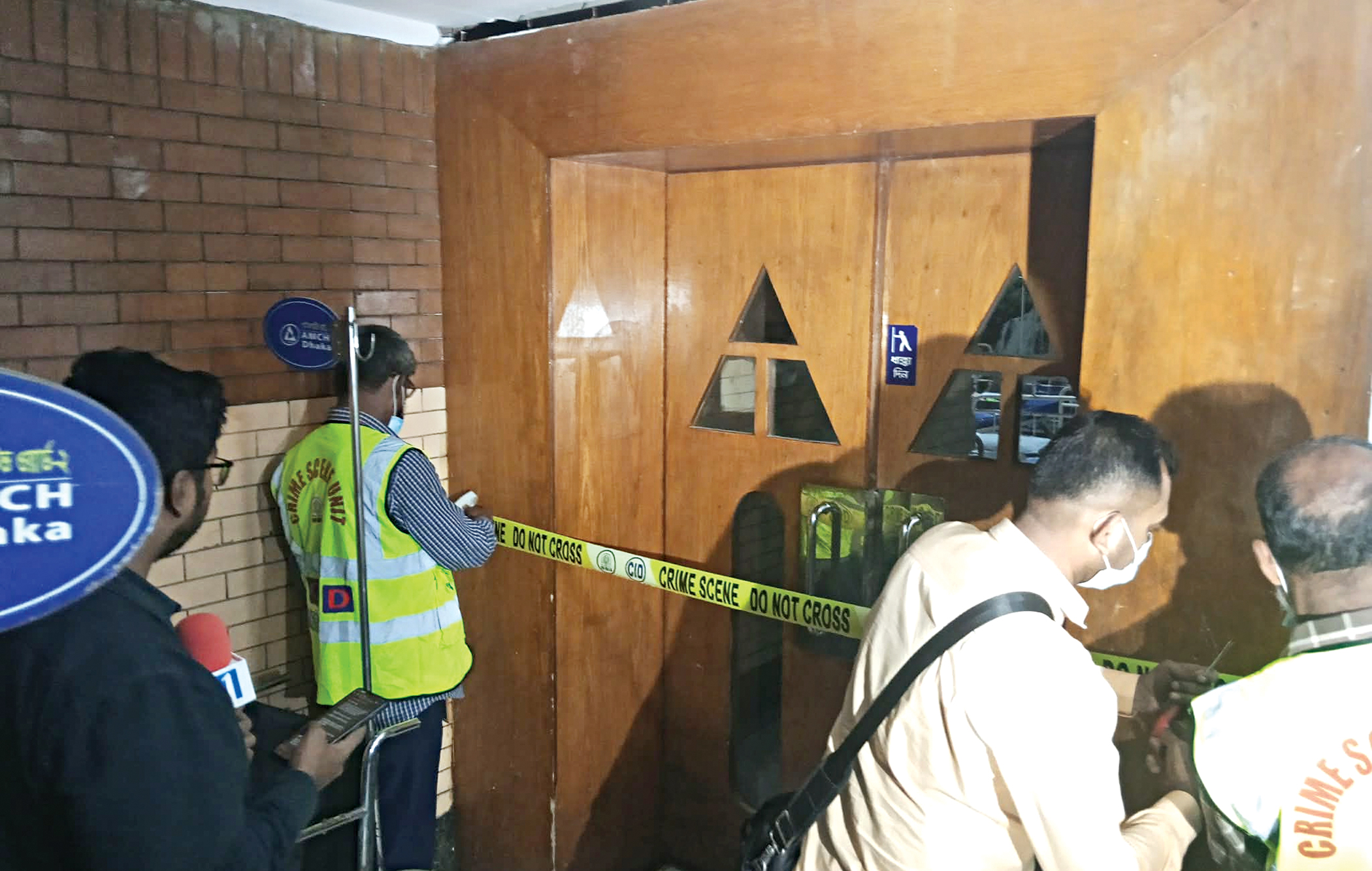
According to accounts of the night, a guardian complained at around 2:00 am that the post-operative room was too cold. The air conditioning was switched off for an hour. Around 4:00 am, one newborn’s condition deteriorated, and the baby was transferred to the NICU, but was later returned to the post-operative room when its condition improved. By 6:00 am, a nurse found another baby lying motionless. As the condition of the remaining newborns rapidly worsened, all were rushed to the NICU. Within the next two to three hours, all six were dead.
An investigation is underway to determine the cause of the deaths, along with the source of the unusual smell detected in the post-operative room. The building will also be scrutinised, which, according to insiders, falls short of the standards expected of a healthcare facility. These are appropriate lines of inquiry. But the investigation must be equally rigorous in examining the human and regulatory failures that allowed such conditions to exist.
Ad-din Foundation, which runs the hospital in Moghbazar, is not a marginal institution struggling with limited resources. This is an organisation with resources, influence, and access. What this case exposes, therefore, is something larger than the failures of a single hospital. Over the past two decades, Bangladesh’s private healthcare sector has expanded rapidly, absorbing patients that the public system could not accommodate. Yet, regulatory oversight has not kept pace. Licensing, accreditation, and routine inspections have often been inconsistent and weak. The government must do more than determine the immediate cause of death. They must fix a broken inspection system, examine the links between well-connected private hospital groups and their regulators, and ensure genuine accountability for the deaths of these infants.
 For all latest news, follow The Daily Star's Google News channel.
Comments