


Are we ignoring what Gen Alpha needs?

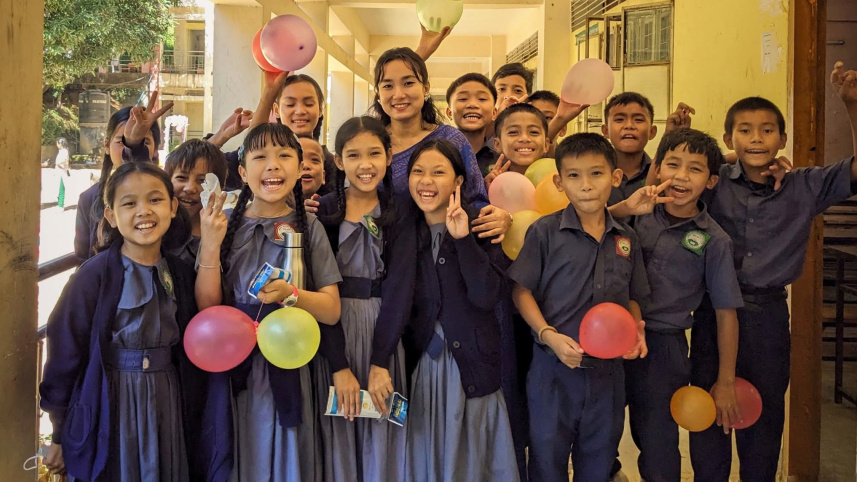
In the recent debate over a video of Sylhet headteacher Beauty Rani Pal, one group opined that teachers should always maintain a certain seriousness. While another group argued that teachers are also human beings with their own personalities and lives outside the profession, like everyone else. The arguments made me think deeply about how society expects a teacher to be in this digital age.
Do we want a teacher who only teaches what’s on the syllabus, keeps the class quiet, and maintains a certain level of seriousness? Or do we want teachers to adapt and change with the times, students and learning environment? Regardless of what is expected, what kind of teachers are actually needed to teach today’s children?

I am a millennial teacher working with Generation Alpha students. Millennials spent their childhood in an analogue world and their youth in the digital age, witnessing the transition. On the other hand, the Gen Alpha kids I teach every day were born into a world where smartphones, touchscreens, YouTube, and now artificial intelligence (AI) are integral parts of reality. Learning in our time meant patiently waiting for teachers, memorising answers, and sitting quietly for long periods. Teachers and books were the main source of knowledge. But today’s children can learn letters, pronunciation, numbers, and science all through colourful animations and interactive videos even before entering the classroom. So, how exactly is a traditional teacher going to compete with the audiovisual stimulation today’s children receive from digital devices? And how to create a learning experience that technology alone can never provide?

Technology can provide information, but it cannot provide the warmth of human connection that a classroom offers. It cannot create a sense of security and compassion, read the language of a child’s eyes, or build their confidence or sense of belonging. I realise this every day in my first-grade classroom.
At the beginning, I often wondered if I was not strict enough because my classes were, and still are, rarely quiet. The students talk to each other, run around, sometimes call out to me to show me spiders or lizards they discovered in the classroom, and get anxious to tell me stories from their homes. Sometimes when I call their names, they do not even hear me. Reading Jean Piaget’s cognitive development theory, I realised that five-to-six-year-old children are in the preoperational stage, where it is naturally difficult for them to sit still for long, fix their attention on one thing, or control their emotions. In other words, what we call “naughty” is actually developmentally appropriate behaviour. Children at this age learn through play, exploration, and experience.
One day, one of my students excitedly said, “Ma’am, I cut a Spiderman cake on my birthday.” I asked, “How was the cake? Was it sweet or spicy?” From this, new words like sweet, spicy, hot, and cold were learned. Those words were part of their own life experience, which is perhaps a small example of what David Ausubel called meaningful learning.
Another incident involved two children who would run around chasing each other. One day, I called out to one of them and asked for help. I gave him the task of distributing the diaries to his classmates. Later, the second child also joined him. A few days later, before I could say anything, they came and started helping me with the diaries. I realised that sometimes it is more effective to give a child responsibility than to try to control them with instructions. According to Erik Erikson, at this age, children want the opportunity to feel competent.
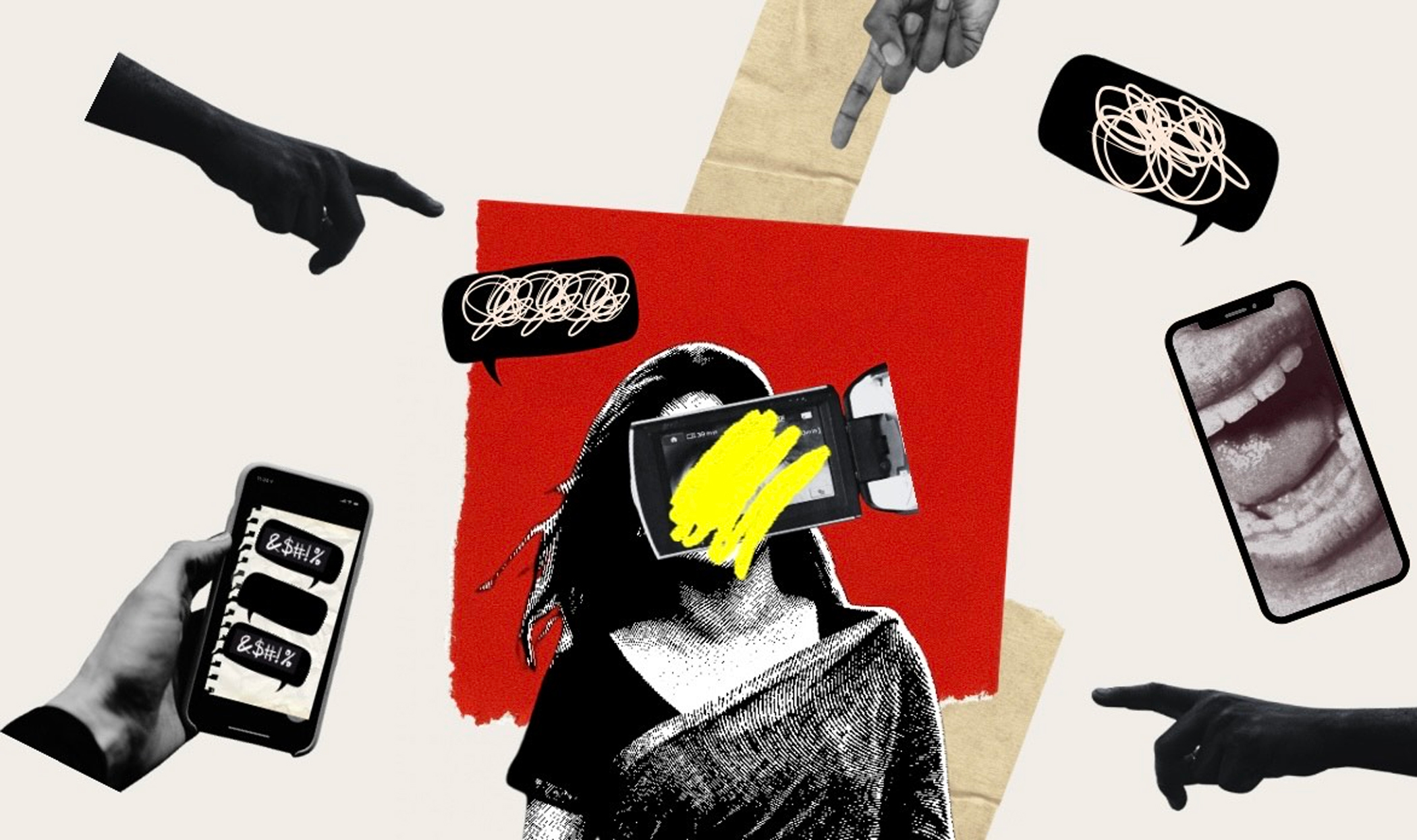
My experience with fourth graders is different. Every year, our school admits new students from different regions, families, and educational backgrounds. Even though they are in the same class, their learning base is not the same. So, it is not enough to just cover the syllabus. A teacher has to understand every student’s foundation and guide them accordingly to cover gaps in their prior knowledge. Students of this age are also never convinced by, “Read this.” But when it is explained how they can apply the knowledge to their life, they feel interested in learning. Perhaps this is another major characteristic of Gen Alpha. They value the meaning and its practical use more than the information itself.
A teacher does not necessarily have to be a social media star. But the role of a teacher is not limited to teaching. They have to become storytellers, listeners, facilitators, and sometimes even performers. If they tell stories, role-play, teach using real-life examples, embrace technology as a learning tool, and get down to the child’s eye level and talk to them, they exercise the core philosophy of child-centred education.
Maybe it is time to rethink the teaching profession. Teachers should not be evaluated based on how serious or formal they appear, or how well they align with traditional images of a teacher, or if they make and post videos walking around the school grounds with a background score. Rather, an effective teacher creates learning experiences where students participate, ask questions, connect with their lives, and learn to love learning, and understands the difference between chaos and the noise of learning.
Bijoya Chakma is assistant teacher of the primary section (English version) at Moanoghar Residential School and College in Rangamati.
Views expressed in this article are the author's own.
Follow The Daily Star Opinion on Facebook for the latest opinions, commentaries, and analyses by experts and professionals. To contribute your article or letter to The Daily Star Opinion, see our guidelines for submission.
 For all latest news, follow The Daily Star's Google News channel.
Comments