


‘Sportswashing’ comes to America through the FIFA World Cup

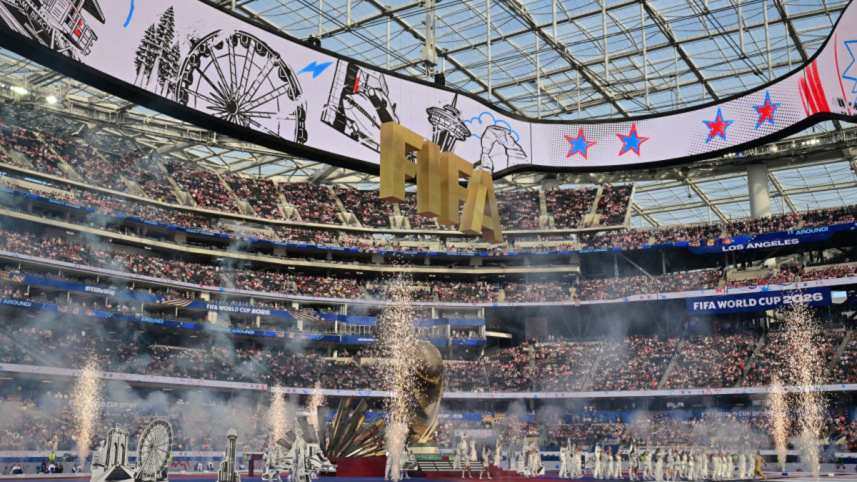
The FIFA World Cup has always been more than football. It is a celebration of identity, belonging, and collective joy that can stop entire countries in their tracks. And for the next few weeks, the world will share a common language: the FIFA language.
But while FIFA promotes the tournament as a celebration of global unity, the World Cup also threatens to become a powerful instrument of political image-making. The term often used to describe this phenomenon is “sportswashing,” the use of major sporting events to improve host countries’ reputations, distract from controversy, and project an image of legitimacy.

For years, sportswashing has been discussed in relation to countries such as Russia, Qatar, and Saudi Arabia. Governments have long understood the power of sporting events to shape public perception. The Olympic Games in Nazi Germany in 1936 remain one of the most famous examples. Decades later, Argentina’s military dictatorship used the 1978 World Cup to project an image of national unity while political repression continued in the background. Russia’s hosting of the 2018 World Cup generated similar debates. Critics argued that the tournament allowed President Vladimir Putin’s government to showcase modern stadiums and hospitality while international attention drifted away from concerns about democratic freedoms and foreign policy. Qatar’s hosting of the 2022 World Cup sparked scrutiny over labour conditions, migrant worker deaths, and human rights concerns.
So, what happens when sportswashing comes to the United States? The 2026 FIFA World Cup has arrived amid a deeply polarised political climate, with President Donald Trump facing criticism over immigration policies, foreign affairs, and economic management. The tournament thus offers an opportunity for the Trump administration to project a more celebratory image of the country to both domestic and international audiences.
Like other host cities, Washington, DC, has embraced that effort through various fun and celebratory activities, including at the National Mall, where fans can gather free of charge in what organisers call the “World Cup Fan Zone.” The space is designed to celebrate football and bring communities together. It also illustrates how mega-sporting events can serve as powerful symbols of national unity and pride during moments of political tension.
Before the tournament, however, US immigration policy and human rights concerns emerged as central issues in sports discussions. In December, Trump announced a travel ban on 39 countries, prohibiting citizens of those countries from entering the US. Advocacy groups have since warned that travel bans, visa complications, and heightened immigration enforcement could exclude many supporters, players, and officials from the tournament. As we now know, that warning has already been borne out in some cases.
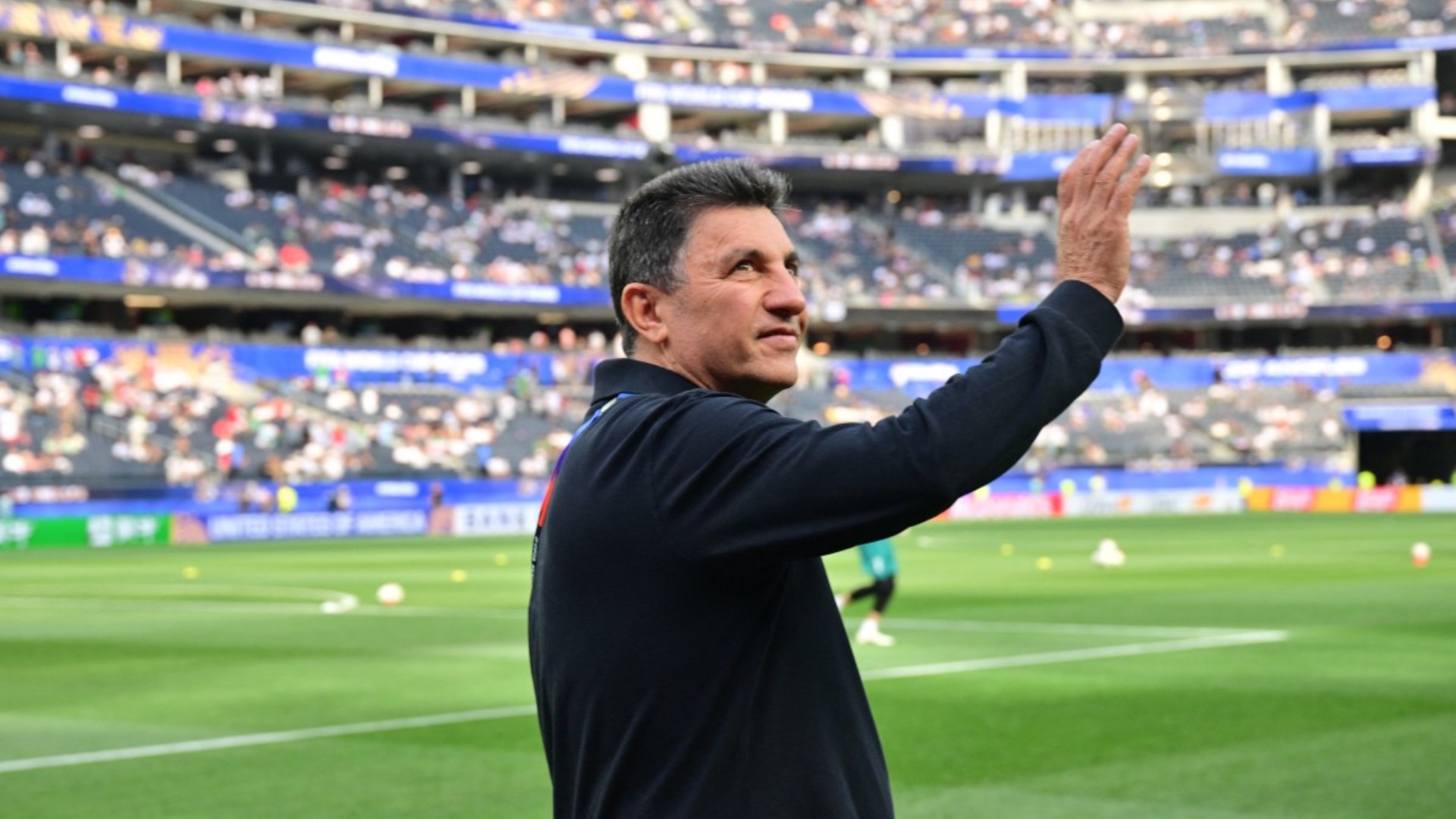
Recently, top Somali referee Omar Artan became the latest to face the stringent US travel policies. Omar Artan, 34, was set to make history as the first Somali referee to officiate at a World Cup, but his dream debut ended at Miami airport, where he was denied entry to the country and flown back to Istanbul despite having a valid US visa and all required documents. Meanwhile, the US has barred the Iranian national team from staying overnight in the country, which led Iran to establish its base camp in Mexico instead of the US and commuting across the border for their games.
Beyond visitors, concerns also extend to immigrant communities already living in the US. Reports of immigration raids, detention practices, and heightened enforcement activity have contributed to anxiety among some residents who would otherwise participate in World Cup celebrations. A tournament marketed as a global festival of inclusion is unfolding amid fierce debates about who is welcome and who is not, who can participate in the celebrations, and who cannot.
The World Cup arrives at a moment when the US has been entangled in a months-long military confrontation with Iran, which, according to the latest reports, might be coming to an end as both countries have reportedly agreed to a peace deal. However, since day one, this conflict has sparked international controversy, including debate over the legality of US military actions and concerns about regional escalation. The question is whether the spectacle of the world’s biggest sporting event can help ease public scrutiny of a costly and divisive foreign-policy crisis that continues to dominate headlines.
Similarly, the war in Gaza remains one of the most contentious issues in global politics. Human rights organisations, international legal scholars, and some governments have accused Israel of committing grave violations of international law, while critics of Washington argue that continued American military and diplomatic support has made the US complicit in the humanitarian catastrophe. The administration rejects those accusations and maintains that its policies are consistent with US interests and international obligations. Nevertheless, the debate has become a major source of international criticism. Against that backdrop, the World Cup offers a powerful public relations opportunity capable of shifting global attention away from the images of destruction and political controversy that have dominated international news coverage.
Many in the US also continue to express concerns about inflation, affordability, housing costs, and financial insecurity. Roughly 48 percent of Americans said their financial situation was worse in May than a year ago, according to the Federal Reserve Bank of New York’s Survey of Consumer Expectations. The findings come amid an inflation spike driven by the Iran war, which has sent oil and gas prices soaring globally, including in Bangladesh. In such an environment, the World Cup presents an extraordinary opportunity for the US to reshape public narratives.
The 2026 World Cup may thus become one of the most politically significant tournaments in modern history and demonstrate how sportswashing can operate not only in authoritarian states but also in democratic states. Sportswashing often can compete with criticism by flooding public space with images of unity, celebration, and pride that often obscure uncomfortable realities. So, now the question is whether we will let the spectacle of the tournament overshadow the difficult realities that deserve sustained public attention. Because even when millions celebrate goals, rivalries, and unforgettable moments, the broader political context may not simply disappear.
Aashish Kiphayet is a Bangladeshi visual journalist based in the US.
Views expressed in this article are the author's own.
Follow The Daily Star Opinion on Facebook for the latest opinions, commentaries, and analyses by experts and professionals. To contribute your article or letter to The Daily Star Opinion, see our guidelines for submission.
 For all latest news, follow The Daily Star's Google News channel.
Comments