The staircase between our mothers and care

On October 1, the International Day of Older Persons, I spent the afternoon trying to get my mother treatment for a severe toothache. It was an uncomfortable coincidence. As Bangladesh joined the world in discussing dignity in later life, Amma and I were negotiating the much smaller question of how to get her through a clinic door.
In the rush to secure an emergency appointment, I forgot to ask whether a wheelchair could get inside. With the Uber’s boot occupied by a gas cylinder, her wheelchair had to fit into the back seat alongside Amma and her nurse. That was one challenge. The staircase between her and treatment was another. Once again, a stranger on the street helped me carry my mother, seated in her wheelchair, up the stairs.
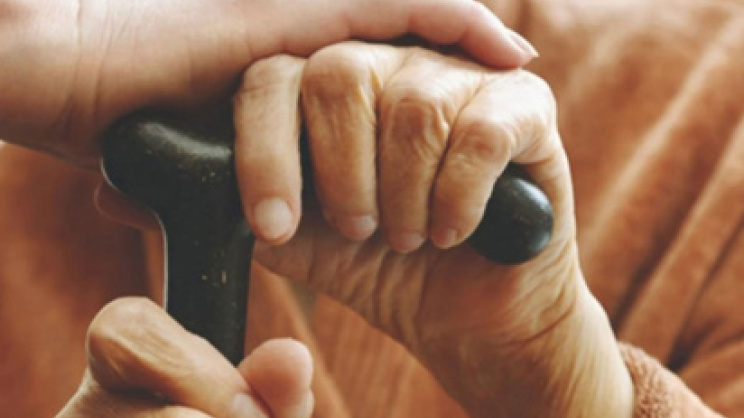
I was grateful for that kindness. I was also troubled by how much depended on it. What if nobody had been available? What if the person accompanying her had been unable to help lift her? An appointment, a willing clinician and the means to pay were insufficient. Getting care required an improvised solution to a barrier that should have been anticipated.
After more than a year of intensive rehabilitation following a serious spinal injury that threatened to leave her permanently bedridden, my mother has regained some of her lost mobility. She still needs close monitoring and assistance – daily hospital therapy visits, two exercise sessions at home and the practical management of limited movement have taught me how much recovery depends on patient, repeated work. Yet the gains made inside a rehabilitation room and at home can become difficult to use outside it. A person may improve while the city around her remains inaccessible.

This year’s international theme, ‘The Age of Longevity: Rethinking Systems for Longer Lives’, asks us to consider precisely this relationship. WHO’s regional message identifies health, social protection, housing and local government as parts of the same task. Longer life creates possibilities; whether people can use those additional years depends partly on the environments and services available to them.
Cash assistance has value, and getting it to the right people reliably remains important. But treating an allowance increase as the principal response to ageing is a policy shortcut. A transfer cannot remove a staircase or make a vehicle accessible.
Bangladesh’s political leadership has acknowledged the challenge. In his message for the day, Prime Minister Tarique Rahman outlined a commitment to financial security, healthcare and dignified lives for older citizens. He referred to expanded old-age allowances, the Family Card, stronger primary healthcare and protection across the life cycle. He also stressed responsibility at the levels of family, society and the state, alongside the value of religious and family traditions. These commitments offer a basis for asking what a welfare-oriented state should deliver in practice.
Cash assistance has value, and getting it to the right people reliably remains important. But treating an allowance increase as the principal response to ageing is a policy shortcut. A transfer cannot remove a staircase or make a vehicle accessible. An older person may receive every payment on time and still be unable to enter the clinic it was meant to help her afford. A functional welfare system must ask whether recipients can use the services they need, alongside whether they receive money.
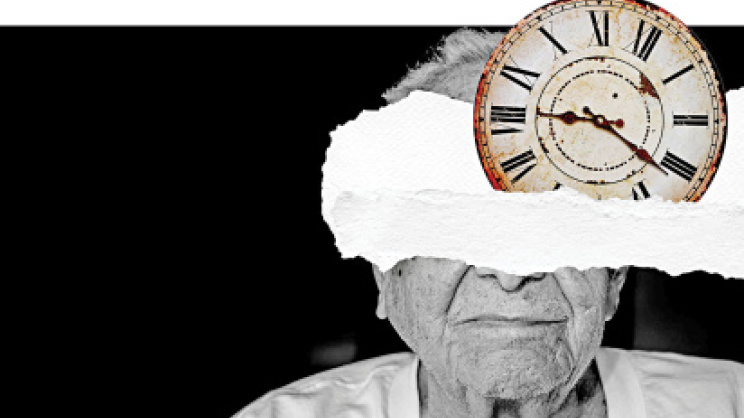
The Daily Star’s October 1 report, ‘As Bangladesh ages, support systems fall behind’, describes gaps in specialised healthcare and long-term support, alongside families dispersed by work and education. Increasing purchasing power cannot create a dependable care service or ensure equal access to one behind an inaccessible entrance. Can a person with limited mobility reach treatment safely, without the dependence that better design could prevent?
That changing geography of family life deserves serious attention. We encourage people to study, work and build careers wherever opportunities arise. We should also plan for the parents who remain behind. Smaller households, migration and demanding jobs change how care can be organised. A remittance can pay a bill; an urgent illness may require someone physically present. These different contributions cannot simply be assumed to substitute for one another.
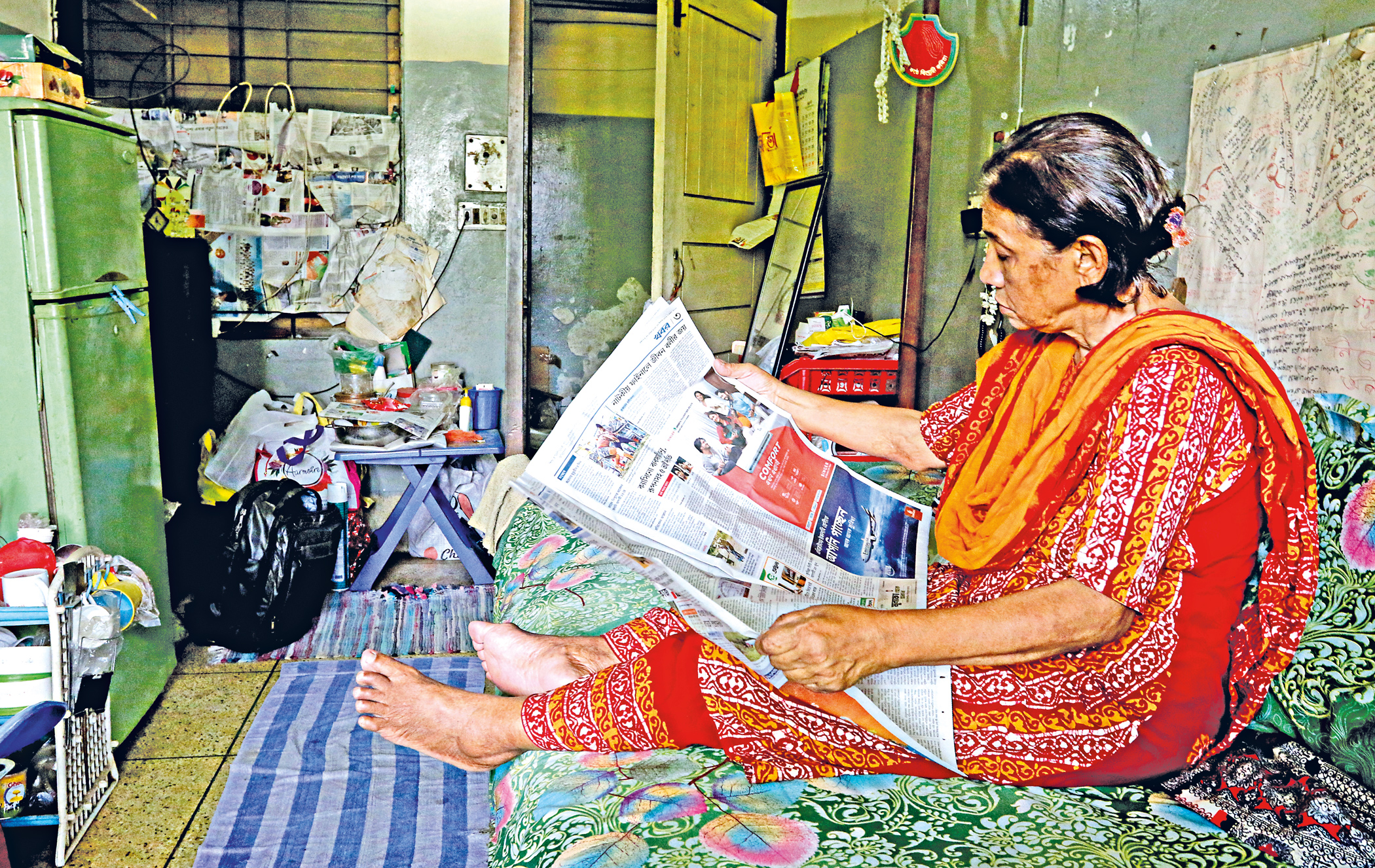
Appeals to family values can encourage responsibility, but the government should be careful about what it expects values to accomplish. Love cannot make an inaccessible building safe. Nor can exhortation produce the hours, skills or income a caregiver lacks. A system that quietly relies on one available relative can place enormous pressure on that person’s work, health and relationships. Supporting caregivers is part of supporting older people. It also helps families sustain the commitments political leaders rightly want to preserve.
My personal struggle is surely not a representative survey. I can arrange appointments, pay for transport and adjust my work arrangements and professional commitments to accompany my mother with assistance. Those advantages make the obstacles we encountered more unsettling. What does the same journey require of an older person living completely alone, a low-income household or a caregiver who cannot take an afternoon off? Some may postpone a visit. Others may attempt the journey despite pain or fear. We need evidence on these unmet needs, including the people whose absence from clinics hides their difficulties.
Limited mobility can turn the design of a building into a source of exclusion. Ageing does not mean disability for everyone, but an inclusive city must accommodate people who use wheelchairs, walking aids or assistance. The objective should be universal accessibility across buildings and public facilities, with planned investment to alter existing premises and usable access built into new ones. The same entrance, toilet or crossing may serve an older person recovering from a fall and a younger person living with a disability. These are ordinary public needs.
A ramp at a clinic cannot make the whole journey accessible if the pavement leading to it is impassable. Nor is a building accessible simply because it has a lift if a wheelchair user cannot reach that lift from the street.
Having lived and worked abroad, I know how much safer and easier daily life can be when cities are designed for accessibility. I support public calls for changes to everyday systems, including accessible boarding, unobstructed footpaths, safer crossings and usable public toilets. This is a productive starting point for investment. A ramp at a clinic cannot make the whole journey accessible if the pavement leading to it is impassable. Nor is a building accessible simply because it has a lift if a wheelchair user cannot reach that lift from the street.
The government should begin with a public access audit and a funded programme of improvements, prioritising health facilities, transport connections and heavily used public buildings. Municipalities should identify routes that connect homes and neighbourhoods to essential services, then address breaks in access along them. Building owners and service operators need clear responsibilities, deadlines and a complaints process. An appointment service should disclose accurate access information. Older people and people with different disabilities should test the results: a ramp too steep to use safely is evidence of a failed intervention, not a completed one.
Transport belongs in the same conversation. Ride-hailing platforms could identify vehicles able to accommodate a folded wheelchair, offer reliable information before booking and train drivers to assist respectfully. Cities could develop affordable, accessible transport for people whose needs exceed what an ordinary car can provide. These are proposals to evaluate with users and operators. The relevant outcome is a journey completed safely and predictably, without a family having to improvise at every stage.
The health system also needs support beyond the clinic. Some have called for stronger community-level care, rehabilitation and regulated home-care services. Concerns over mobility restrictions and remote follow-up are just as relevant. Home visits and remote consultations can help people who struggle to travel. They should complement an accessible city, however, rather than become the only services offered to people whom its buildings and streets exclude.
There are signs of official interest. The prime minister’s special assistant on health affairs, SM Ziauddin Hyder, has given us hope about geriatric training and a possible elderly village in each district, combining accommodation, healthcare and activities. This remains a proposal. It raises questions worth resolving before investment: who would use these facilities, how would residents exercise choice, and how would the initiative support people who prefer to remain in their own homes? Accommodation may serve some needs well. It should sit within a wider care system rather than become its defining feature.
The Daily Star’s recent editorial, ‘Develop a state-led elderly care system’, therefore adds an important warning: eight government-built facilities remain non-operational because of staff shortages. Its call for a planned system recognises that constructing premises is insufficient. The lesson should also shape investment beyond residential care. Funding must cover staff, maintenance and dependable services, while access improvements reach the neighbourhoods where older people already live. A functioning residential facility can help some citizens; an accessible city opens possibilities to many more.
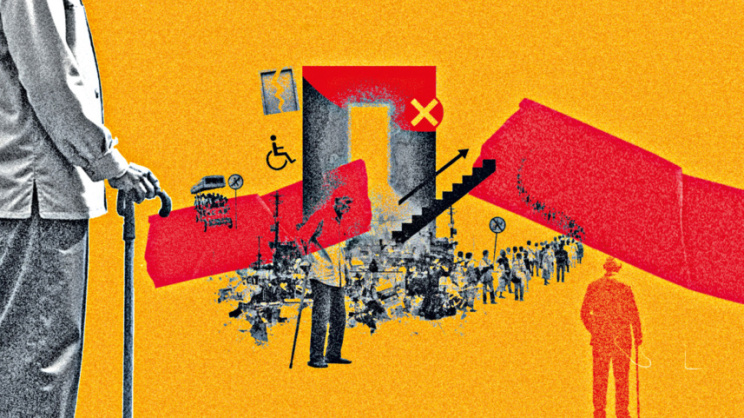
Accountability would make the prime minister’s promise more concrete. A funded plan should assign responsibilities across health, social protection, transport and local government, and report on journeys and services made genuinely accessible. It should ask allowance recipients with disabilities whether they can reach care, collect medicines and use public facilities. Counting payments or completed buildings will miss these failures. Older citizens must help define success. Their worth cannot depend on remaining economically productive, and dignity includes the freedom to make ordinary choices.
There was a small pleasure at the end of our difficult afternoon. With her toothache relieved, Amma enjoyed a little retail therapy at the ground-floor shops: a new pair of shoes and a shawl. That moment belonged to the same story as the clinic visit. She had left home seeking relief from pain and also found an opportunity to choose something for herself. Such pleasures should not be so difficult to reach.
The indignity of being carried up a staircase belongs to the inaccessible building, not to the person who needs help. Bangladesh’s promise of a humane welfare state will be tested in places like that doorway.
The stranger who helped me carry my mother up the staircase yesterday offered kindness when it was needed. But a society preparing for longer lives should make sure that kindness supports a functioning system, rather than being required to compensate for its absence.
M Niaz Asadullah is a professor of economics at the University of Dhaka and a visiting professor at the University of Reading, UK.
Send your articles for Slow Reads to slowreads@thedailystar.net. Check out our submission guidelines for details.
Is Bangladesh prepared for the next food shock?

From more power to better power: Rethinking Bangladesh’s energy future

Growing out of LDC status: Bangladesh’s real negotiation at COP31

What is holding back solar in Bangladesh’s garment industry?

Confessions of a finance professor: The danger of putting profits first

The making of a cup of tea: Plantation, empire and the pursuit of quality
Why Bangladesh’s measles outbreak should be a wake-up call

From prediction to preparedness: How AI can help us navigate climate uncertainty

Crisis in Bangladesh’s Islamic banks: Liquidity is not capital, and a merger is not a cure