


Why the Haor film Kura Pakkhir Shunye Ura matters today

In conversation with Muhammad Quayum, director and producer of the film Kura Pakkhir Shunye Ura, on the struggles and recurring crises faced by the haor people in Bangladesh.
The Daily Star (TDS): Why did you choose the haor region as the central focus for your debut film, Kura Pakkhi (migratory bird)?
Muhammad Quayum (MQ): I’m a Dhaka boy, and from my student life I was involved in cultural activities, which shaped my desire to work for ordinary people and tell stories about their lives. I didn’t plan when or on what I would make a film, but frequent travels around the country—sometimes for work, sometimes out of curiosity—brought me to the haor region in 1986–87.
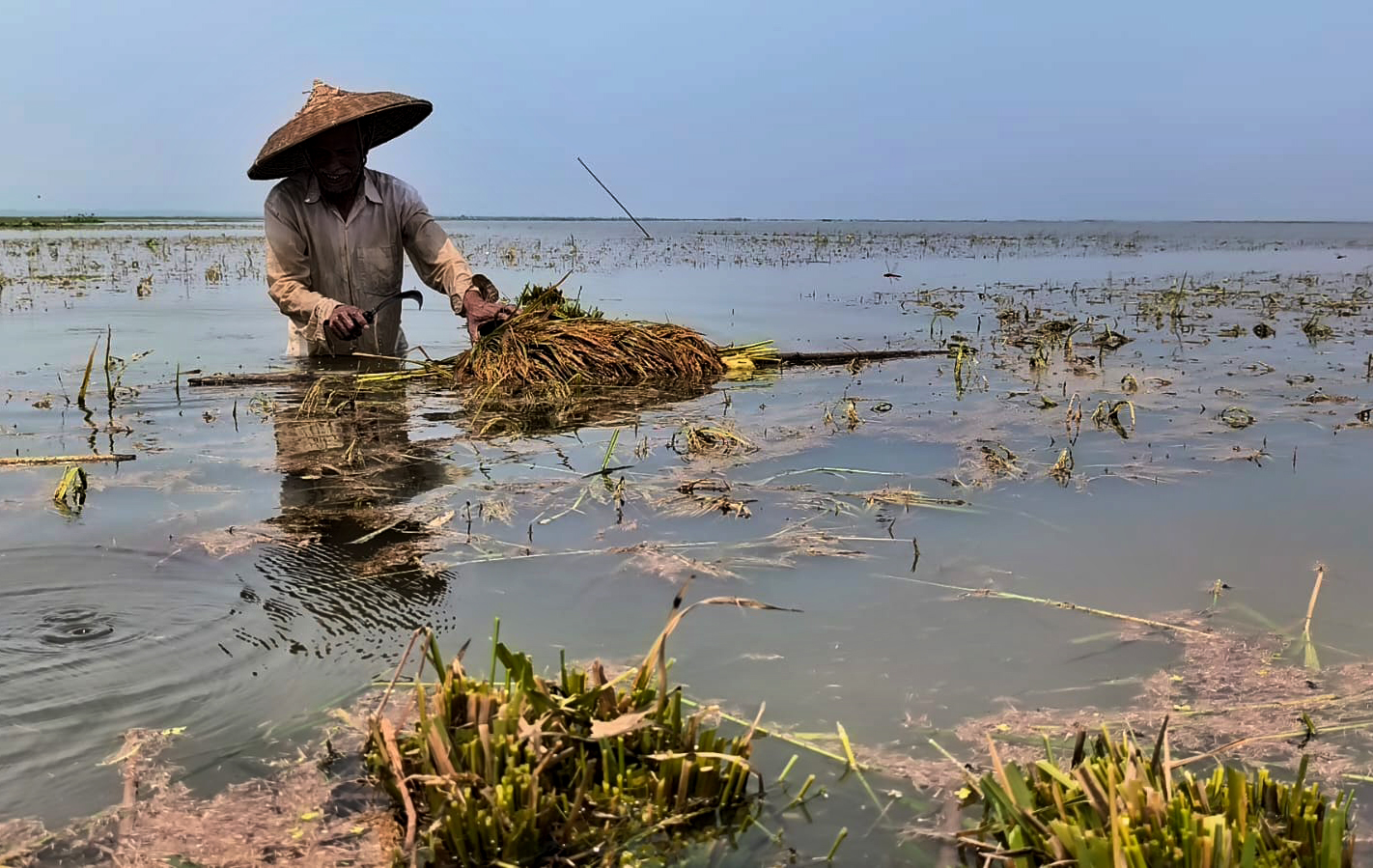
My first visit, during the rainy season in Netrokona, revealed a breathtaking landscape. Locals urged me to return in the dry season during paddy planting. I did, and witnessed hundreds, sometimes thousands, of people planting rice seedlings. Later, during Boishakh, I saw the harvest: people cutting, threshing, drying, and carrying paddy home. The beauty and the struggle captivated me, though I wasn’t yet ready to make a film.
Over the next 10–15 years, I kept visiting—exploring beyond Netrokona to Sunamganj, Khaliajuri, Mithamoin, and Austagram—and saw haor villages like small islands crowded with homes, vulnerable to floods.
Once, in Sunamganj, I visited a haor village—you know how haor villages are, like small islands on raised mounds of earth, with houses tightly packed together. Hundreds of people live in those small houses because, during floods, the water can sweep everything away, and there is a real shortage of high ground.
So, one time, I stayed in one of those villages for a few days. While I was there, the villagers noticed one day that the waves and water level had risen dangerously high. That year, the water had started eroding the edges of their mound. This is actually the same sequence that appears in my film.
Now, as you know, bamboo doesn’t grow in the haor—it has to be brought from far away, near the hills of Meghalaya, where there are markets. I told them, “I’ll go with you.” Back then, there weren’t really any motorised boats—they used to row by hand.
They told me, “No, no, that’s impossible. It’s dangerous,anything can happen at any moment,” and they tried to scare me out of it. But I insisted, “If you’re safe, I’ll be safe,” and with that stubbornness, I went along.
We went, struggled against the waves together, bought the bamboo, cut it up, and used it to make a kind of fence-like barrier to protect the mound from erosion.
This entire experience was deeply personal, thrilling, and extraordinary for me. That very night, upon returning, I thought to myself, this could make a compelling subject for a film. Ultimately, this event became a major part of the film.
TDS: What makes life in the haor areas particularly challenging?
MQ: Bangladesh is essentially a massive delta formed over thousands of years as silt gradually raised the land. At one point, the entire country was under the sea. The Sylhet region, located next to Meghalaya, lies between the Meghalaya Hills and the Garo Hills, forming a large bowl-shaped area. Water from these hills flows down into this basin and collects there.
In the past, rivers used to carry the water away, but now they have lost depth and can no longer drain it properly. This causes water to become trapped, a problem worsened by climate-related factors.
So, why do people live there? Historically, the region was sparsely populated because of its remoteness and dangers such as wildlife and snakes. But with a rising population and soaring land prices elsewhere—like in Mymensingh, where one bigha costs as much as 20 to 30 bighas in the haor—people began settling there.
As they settled, forests of koroch, hijol, and large varun trees were cleared, causing environmental damage and further water accumulation. Fish populations have also declined, partly because of new fishing nets and the catching of juvenile fish driven by poverty, which prevents replenishment. Chemical poisons have further harmed fish and bird populations.
In short, poverty has pushed people to damage their own environment and livelihoods, triggering severe changes in the haor’s climate and ecosystem. This vicious cycle threatens both nature and the communities that depend on it.
TDS: How did you prepare yourself to make this film?
MQ: Late Muhammad Khasru inspired me when I first conceived the idea for the film. I began taking notes on various events, thinking that a story or script might develop from them. At the same time, I discussed funding possibilities with others, but it was always a big question. I even applied for a government grant but didn’t receive anything. The whole grant process was discouraging.
For about 10–12 years, I searched for funding but eventually felt that the film might never happen. I almost abandoned the idea. Around that time, filmmaking was shifting from analogue to digital technology—cameras, sound, and editing moved to computers, lowering costs and simplifying production. Still, significant funding was needed, and the question remained—who would provide it?
In 2017, a devastating flood swept away all the rice crops across the haor region, from Netrokona to Sunamganj, just days before harvest. Watching the news reports deeply affected me. This was exactly the story I wanted to tell. I visited the haor area, witnessed people’s despair, and decided that I had to make the film.
It was an emotional decision, without a clear funding source. I used my savings, borrowed from friends, and took loans from my siblings. In the end, I made the entire film with my own money.
TDS: Besides funding, what other major areas were you conscious of while making the film?
MQ: From the very beginning, I knew I would have to shoot over a long period of time—at least two years—to capture the changing seasons. And in some cases, if I couldn’t get a certain scene in one year, I would have to wait until the next year. That’s why I first looked for people who could give me that much time over an extended period and who weren’t too busy but were good actors.
I decided to turn to theatre actors because I had many friends and connections in theatre. After talking to them, I realised that theatre performers could commit, whereas any star or regular film or television actor wouldn’t be able to spare so much time. So instead of popular or familiar faces, I prioritised those in group theatre who had acting skills, sincerity, and the willingness to dedicate their time. That was my main consideration.
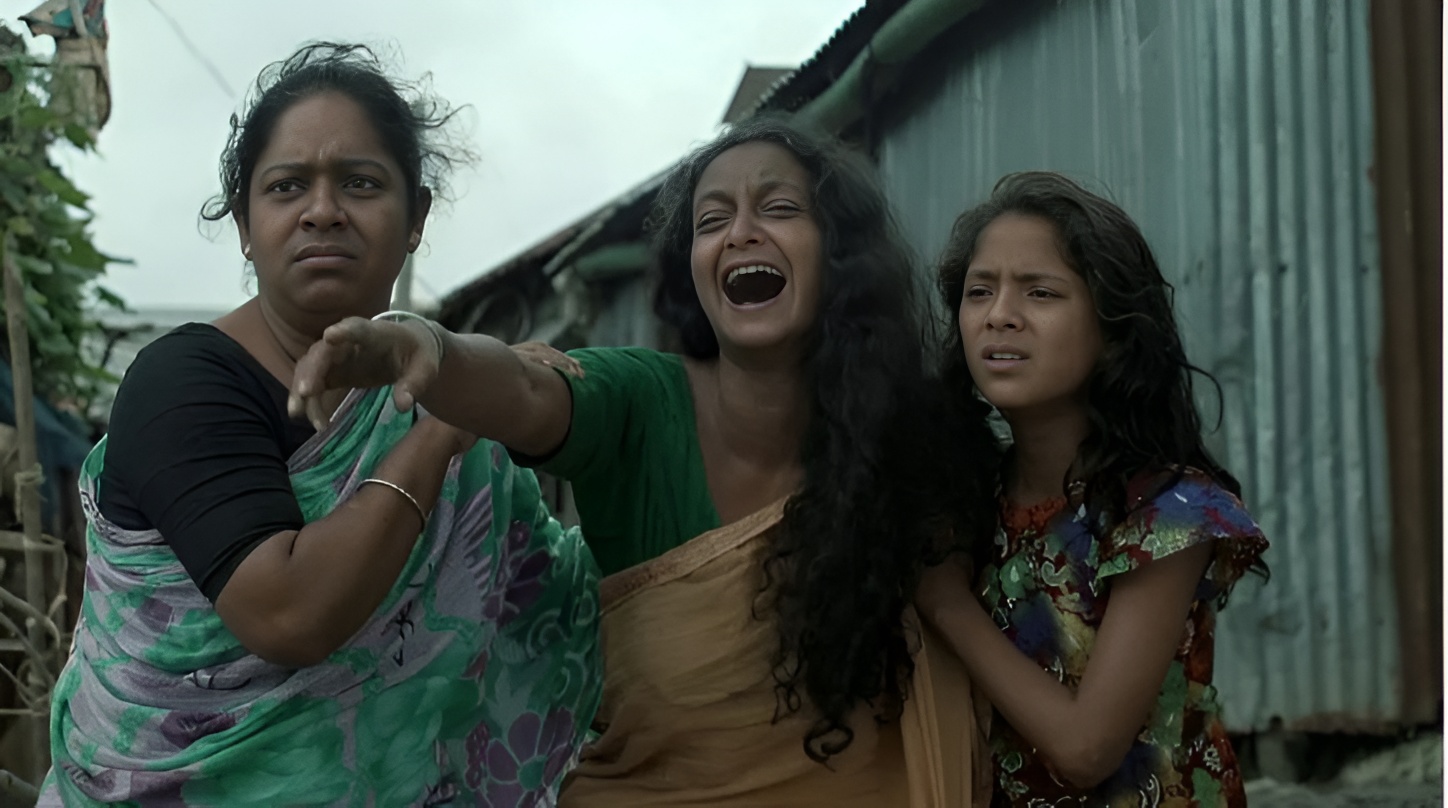
I believe our team succeeded in portraying how these people, with their energy and resilience, are fighting a two-front battle: one against poverty and hardship, and the other against the forces of nature. This unyielding will to survive both struggles is the central theme of the film.
TDS: Critics say your work shows strong influences from Pather Panchali and especially Titas Ekti Nadir Naam. How do you respond to that? Also, what has the reception been like for your film?
MQ: You see, we’ve watched plenty of films—classics from the Indian subcontinent, as well as many foreign films. Of course, something you watch will inevitably leave some kind of impression on your mind. But in terms of filmmaking—or what we call the narrative—I don’t think my narrative style really matches that of Satyajit Ray or Ritwik Ghatak or anyone else.
However, in terms of style—what we call neo-realism, the attempt to tell a story grounded in reality—some might say that they made realist films and I did too. That could be true. But I never consciously tried to be influenced by or imitate anyone.
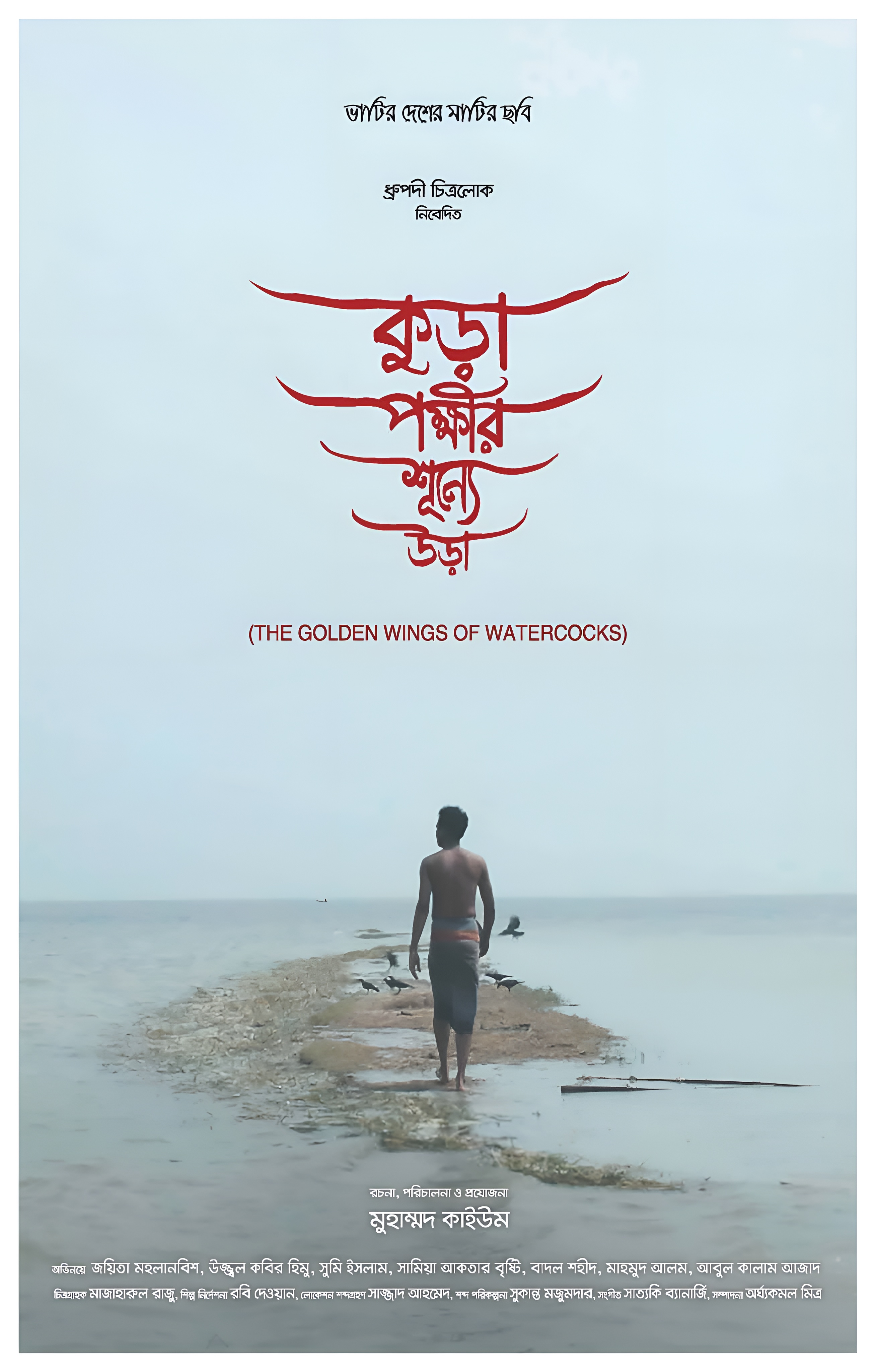
At first, just from seeing the film’s name and poster, everyone was saying, “This film won’t run anywhere, it won’t get released in any hall,” and so on. After a lot of requests, they finally agreed to release it for just six days at Star Cineplex—and only at one location, Bashundhara.
But then, the people who did see it—either at Cineplex or at the premiere show I organised—immediately began speaking about it on Facebook and through other channels. The journalists I had invited to the premiere and other events also covered it extensively in the media and on television. It was received extremely well by those who watched it.
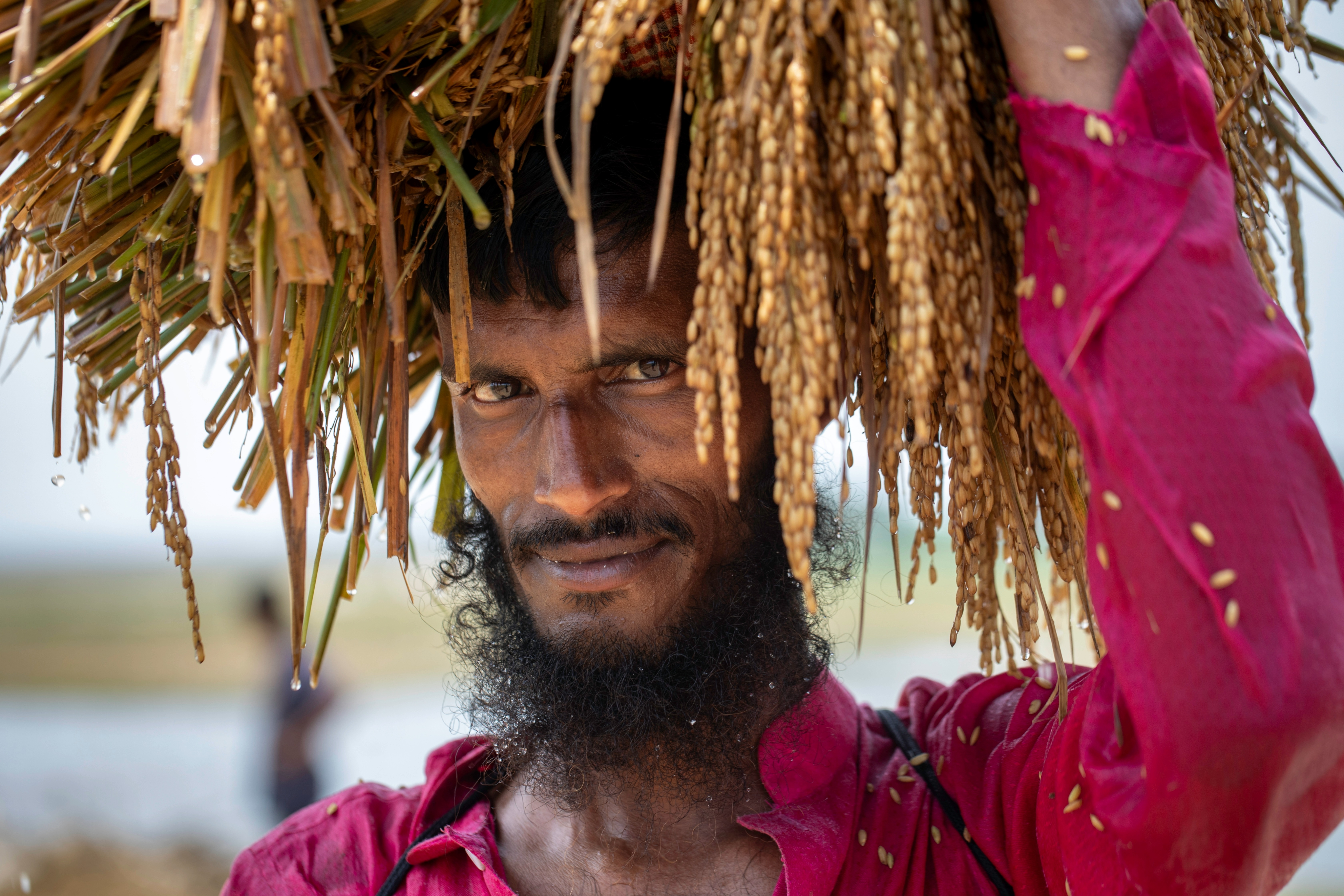
Of course, those who didn’t watch it wouldn’t know what the film was about. Later, when I won the Best Film award at the Kolkata International Film Festival, the reception grew even further. Here, you know, once you win an award, people talk more about your work. So yes, I would say that I received an extraordinary response from a certain group of people—in both Bengals, Kolkata and Bangladesh.
After that, I also screened the film in other Indian cities, including Bangalore and cities in the south, and abroad in London and Toronto. Everywhere it was shown, people were deeply moved by it, and the audience response was very positive.
But even then, not many people came to watch it—perhaps because they did not know me, or because the film lacked star power, or for other similar reasons. From a distance, perhaps there was not much to attract audiences.
The interview was taken by Priyam Paul.
Send your articles for Slow Reads to slowreads@thedailystar.net. Check out our submission guidelines for details.