


‘50% is mind game’: Mushtaq’s blueprint for next generation of spinners
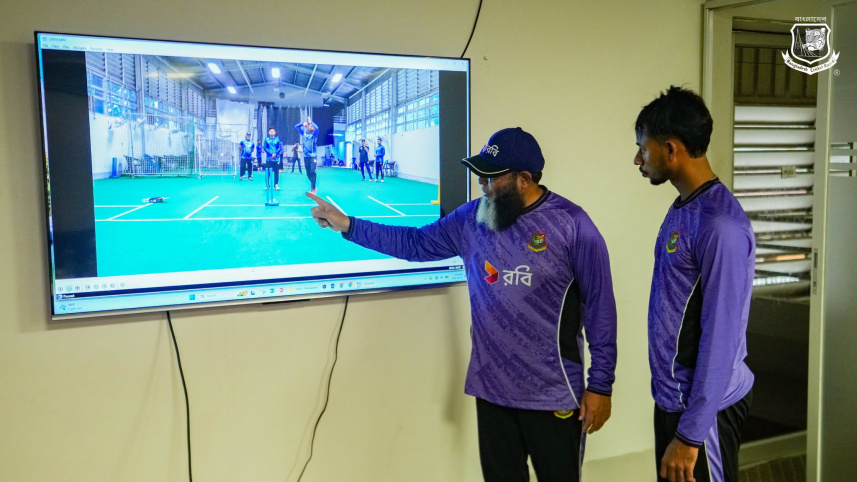
Bangladesh national team spin-bowling coach Mushtaq Ahmed believes the country’s progress in spin bowling is being driven by a combination of strong fundamentals, technical precision, tactical awareness and growing belief.
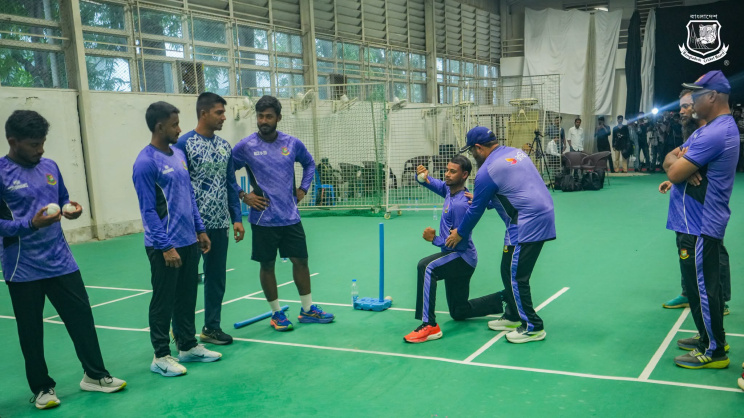
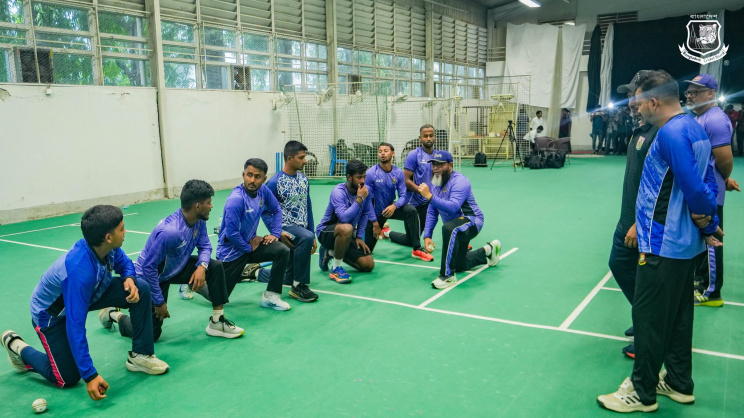
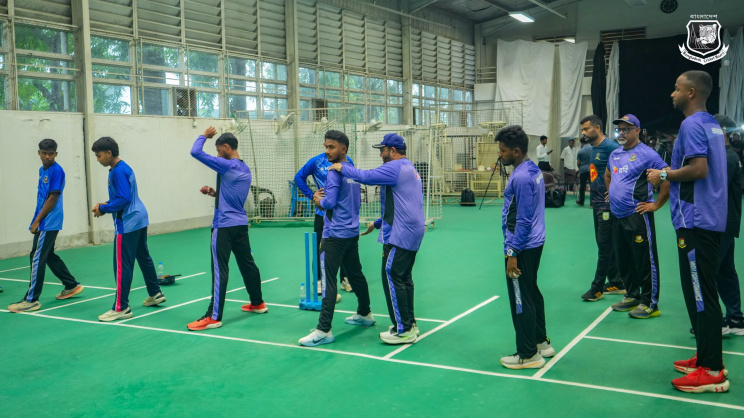
Speaking after a specialist three-day spin-bowling workshop at the Sher-e-Bangla National Cricket Stadium in Mirpur, Mushtaq highlighted the importance of developing a repeatable bowling action through biomechanical analysis, particularly before young spinners reach first-class cricket.

But for Mushtaq, technique is only part of the equation. He believes “50% is a mind game” at international level and wants Bangladesh’s spinners to develop the confidence to attack in different conditions without being afraid of failure.
He also stressed the importance of reading pitches, understanding batters, knowing when to attack or contain, and delivering good overs rather than simply good balls.
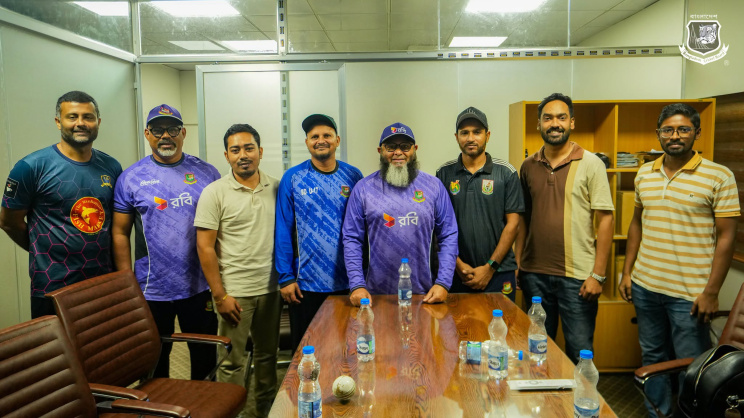
A total of 20 specialist spinners from different selections under BCB Game Development and the High Performance (HP) programme, along with spin-bowling coaches, participated in the workshop.
The bowlers underwent technical profiling by BCB performance analysts, who provided feedback based on biomechanical and technical analysis.
KEY HIGHLIGHTS FROM MUSHTAQ AHMED’S COMMENTS
“50% is a mind game” — Mushtaq says mental strength is crucial at international level, alongside strong technical basics.
Belief is becoming a strength — He believes Bangladesh now have the confidence to challenge any team, including away from home.
“Not afraid of losing” — Mushtaq believes removing the fear of defeat is an important part of winning international matches.
Repeatable action is the foundation — A consistent and repeatable action, he says, allows a spinner to maintain control and perform under pressure.
Three-camera biomechanical assessment — Bowlers were recorded from the front, back and side to examine their actions in detail.
Individual video feedback — Coaches sat with the spinners and showed them their own actions, examining their front arm, legs, balance, alignment and angle at the crease.
Flat pitches test technique — Mushtaq pointed out that when a pitch is turning sharply, a spinner may receive assistance despite technical imperfections. On flatter pitches, however, balance, biomechanics and a repeatable action become much more important.
Build the basics early — He wants young spinners to understand their own bowling process before reaching first-class and Test cricket.
Technical and tactical development together — The workshop focused not only on bowling action and biomechanics but also on the tactical aspects of spin bowling.
Know when to attack — A spinner must recognise whether a particular situation calls for taking wickets or restricting runs.
Read the batter — Bowlers need to understand a batter’s strengths and adapt their angle, line, pace, amount of spin and field accordingly.
“Good overs will get you wickets, not good balls” — Mushtaq’s message was that successful spin bowling is about building pressure over a spell rather than focusing solely on individual deliveries.
Conditions dictate the method — Spinners must learn how to adapt their bowling to conditions in Australia, India, Pakistan, Bangladesh and elsewhere.
 For all latest news, follow The Daily Star's Google News channel.
 Train hard for international cricket — Mushtaq believes hard work in the nets prepares players to handle pressure in matches: “When you train hard, when you sweat more in the nets, you will sweat less in the game.”
A strong spin pipeline — Mushtaq said he is pleased with Bangladesh’s current structure and the number of young spinners coming through.
Regular camps are needed — He suggested that similar specialist camps should be held regularly, potentially every three months, rather than being treated as a one-off programme.
Develop the coaches as well — Four or five local coaches are working alongside him and learning how to assess alignment, technique, tactics and the overall process of developing spinners.
Praise for Bangladesh’s current spin group — Mushtaq pointed to Taijul Islam, Mehidy Hasan Miraz, Rishad Hossain, Sheikh Mahedi Hasan, Nasum Ahmed, Tanvir Islam and others as signs of Bangladesh’s growing spin depth.
Mental support for Mehidy [Mehidy Hasan Miraz]— Mushtaq said his advice to Mehidy was centred on bowling good overs, understanding the pitch, assessing thebatter and making the right tactical decisions.
Credit to the entire team — Mushtaq repeatedly credited the players, selectors, coaches, management and other stakeholders for Bangladesh’s progress rather than taking individual credit.
Bangladesh can challenge anyone — He believes the team have the skills and players required; maintaining belief is now a key part of the equation.
WTC final ambition — Mushtaq said Bangladesh are in a good position and believes they can go all the way if they continue playing good cricket and maintain their belief.
Looking beyond specialist spinners — He also discussed the search for a left-arm spinner who can contribute with the bat in the middle order, reflecting the desire to develop a more complete spin-bowling option.
Comments