


Tigresses' chase woes resurface in Sylhet
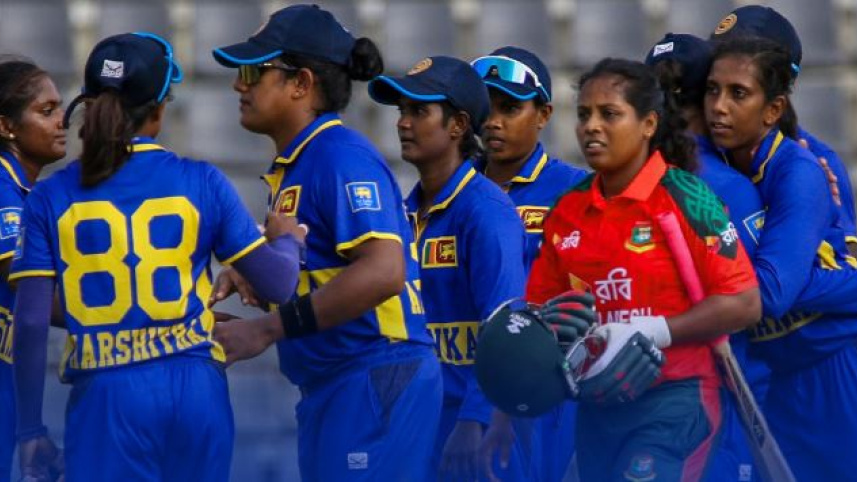
They had reached 67 for two in the first 10 overs, but still could not come near the 155-run target -- a familiar script of the Bangladesh national women’s cricket team’s long-standing struggles in chases over the 150-run mark once again unfolded today. The Tigresses succumbed to a 21-run defeat in the second WT20I against Sri Lanka, conceding the three-match series 2-0 at the Sylhet International Cricket Stadium.
Batting coach Nasiruddin Faruque perhaps pinpointed the problem area, stating the obvious -- “an inability to accelerate in the final overs.”

Faruque also noted that the performance was marred by three run-outs, but admitted the larger concern for the Tigresses in the format. “In T20s, momentum shifts very quickly. While mistakes can sometimes be overcome in ODIs, it is much harder to recover from such errors in the T20 format,” he added.
After Sri Lanka posted 154 for four, Bangladesh made a steady start. They, however, failed to keep up with the climbing asking rate -- a recurring theme in their T20I outings.
Sharmin Akhter anchored the innings with an unbeaten 44 off 47 deliveries, batting at one-down, while opening batters Juairiya Ferdous contributed 29 off 23 balls and Dilara Akter chipped in with a run-a-ball 23.
A closer look at those innings underlined the familiar shortcoming -- too many deliveries were consumed without enough acceleration, leaving the middle order with too much to do. As the required rate climbed, the pressure told, and the hosts eventually limped to 133 for five in their allotted 20 overs.
Bangladesh’s difficulties in chasing sizeable totals in T20Is remain stark. They are yet to successfully chase a target of 150 or more in the format. On only two occasions have they crossed the 150-run mark while batting second -- against Ireland and Pakistan -- but ended up on the losing side both times.
Their highest successful chase in women’s T20Is remains 146 for four, achieved against Sri Lanka in 2023 -- also their last win over the Islanders in this format.
Even today’s defeat mirrored the outcome of the opening match, where Bangladesh fell short by 25 runs while chasing 162 at the same venue.
In both matches, Bangladesh opted to field first, a decision Faruque described as a “collective call”. But if the aim is to overcome their long-standing struggles in chasing, such choices will only bear fruit if accompanied by a shift in batting approach -- particularly in how the innings is paced after a steady start.
With the series already decided, Bangladesh could have one final opportunity to address that recurring flaw. The third and final match, a dead rubber on Saturday at the same venue, offers a chance not just to salvage pride, but to show signs of progress in a phase of the game that continues to hold them back.
 For all latest news, follow The Daily Star's Google News channel.
Comments