


‘A totally sane person can’t be a fast bowler’
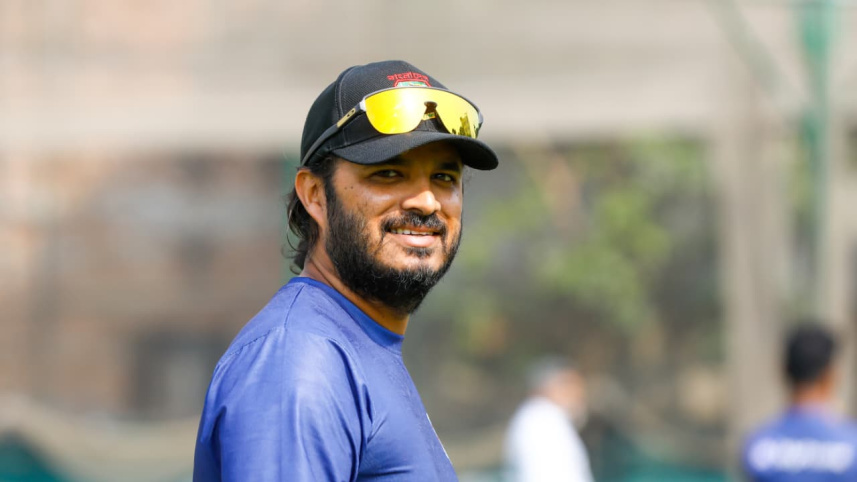
Bangladesh fast-bowling coach Talha Jubair only took over from Shaun Tait ahead of the home white-ball series against Australia in June. Now he has seen Tigers achieve a remarkable feat in the Test series Down Under. In an exclusive interview with The Daily Star’s Abdullah Al Mehdi, the former Bangladesh quick talks about the team’s mindset and preparation, the development of its pace attack, the role of local coaches, and more. Excerpts follow:
The Daily Star (DS): What has your experience been so far with the Tigers?

Talha Jubair (TJ): We couldn't bowl very well in the first Test in Zimbabwe, so that was a learning experience for me. From that, I made sure that when we went to Australia, winning or losing was secondary -- we had to bowl in a disciplined way.
It always feels good when the team do well. As a player, I had a lot to gain. Now as a coach, my gain comes when good fast bowlers come up in Bangladesh. We locals might not be big names like Allan Donald, Ottis Gibson or Shaun Tait, but no one understands our people better than us. I know what Taskin [Ahmed] is feeling just by looking at his face.
Bad days will come, and a lot depends on winning or losing, but I'm happy with what has happened since Zimbabwe.
DS: What had the preparation been like for the Australia tour?
TJ: Going 10-12 days early was a massive help. We understood the wicket and conditions. The preparation before the first Test was key; we didn't get that much time to prepare for the second one.
DS: What was the biggest lesson in Mackay?
TJ: Test cricket has definitely changed. If you don't attack and just let the bowler hit his spot constantly, your chances of getting out are much higher. If we'd attacked and scored 170-180, we could have challenged them with our bowling.
In the Darwin Test, we punished them. On a wicket without that excessive pace, we were the better team. If we face these conditions again, we can learn from the Mackay Test.
DS: What kind of work did you do before the Australia series?
TJ: My focus was on giving them belief. We worked on building character, maintaining eye contact with batsman, and never walking back with their heads down after being hit for a boundary. I established specific boundary zones, making conceding boundaries in other zones unacceptable.
Opposing batters were heavily analysed, especially their dismissals in last 8-10 innings. During net sessions, I had them pretending they were bowling to Travis Head or [Steven] Smith, and made sure players spoke up and developed plans themselves.
DS: From a mindset perspective, did you see any big shift in the team?
TJ: The absolute belief that we could beat Australia was visible on everyone's faces before the first Test. This body language creates immense pressure in the opponent's dressing room. The way we bowled and attacked left Australia completely down, and they had to field for four days, which is rarely seen.
DS: How difficult is it to be a fast bowler in Bangladesh?
TJ: Very difficult. It's much better for the current crop than in our time. In our country, it's much easier to become a batsman than a fast bowler. But there is also a fun part: fast bowlers can never be made; they are born. On top of that, to bowl fast, you need to be a bit insane. A perfectly sane, healthy person cannot be a fast bowler. Why would a sane person run from so far away and bowl so fast, enduring so much pain?
DS: What was Mitchell Starc’s message to Shoriful Islam?
TJ: He said -- "You have to understand your own body and whether it requires more bowling or less bowling to be ready. No coach, trainer or physio can determine that for you until you understand your own body yourself."
 For all latest news, follow The Daily Star's Google News channel.
Comments