


Carrick, De Zerbi, Arbeloa: Who could lose their job during the international break?
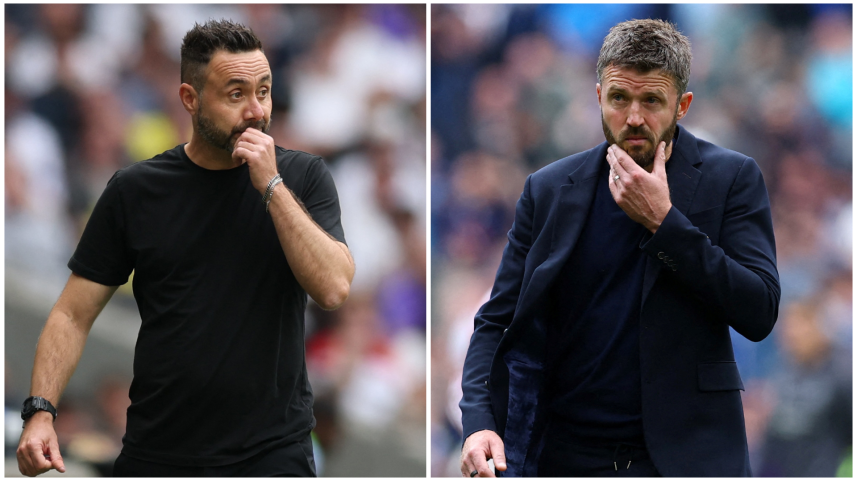
Three weeks is a long time for a manager under pressure.
The likes of Michael Carrick, Roberto De Zerbi and Alvaro Arbeloa head into the international break with their teams struggling for results, while several others are already looking over their shoulders.

But does the break itself make a sacking more likely?
History suggests not in September. Only two Premier League managers have lost their jobs during the September international break in the past 10 years, compared with two in October and six in November.
History suggests not in September. Only two Premier League managers have lost their jobs during the September international break in the past 10 years, compared with two in October and six in November.
Yet the wider trend offers less comfort. Nine managers had left their jobs by the time the second international break arrived across those 10 seasons.
So the question is less whether September is sack season, and more which managers can use the break to change their fortunes before their clubs decide to change them.
For Carrick, the immediate problem is Manchester United's inconsistency.
United's 3-2 EFL Cup defeat by Brighton, after blowing a two-goal lead at Old Trafford, sharpened the scrutiny around a manager who had earned significant credit by guiding the club back into the Champions League last season. It followed a 1-0 defeat by 10-man Manchester City, leaving United with only wins over Ipswich Town and Sabah this season.
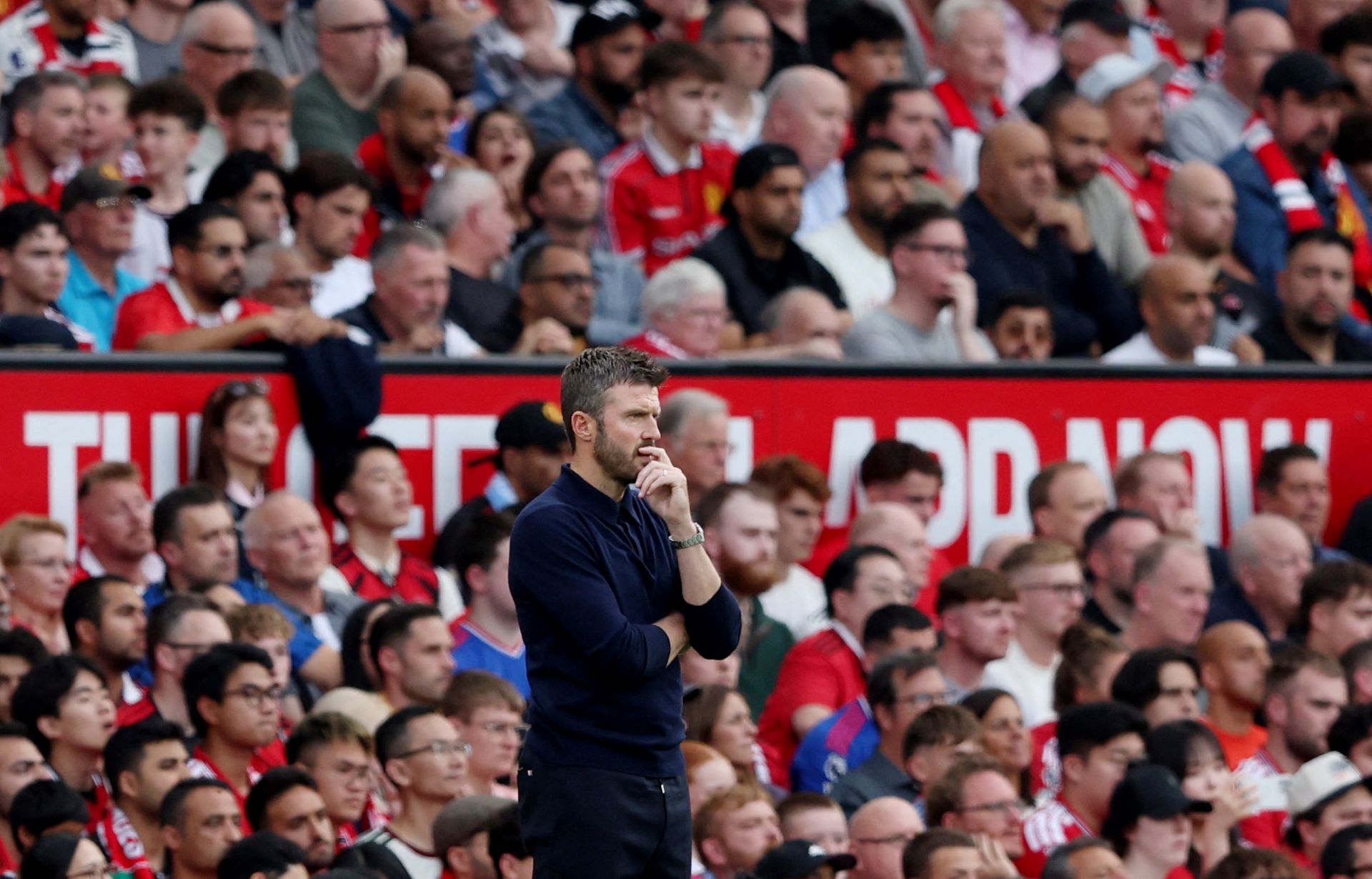
Carrick has rejected the idea that the trip to Fulham is a make-or-break fixture, calling such a notion “ridiculous”. But defeat at Craven Cottage would give the outside noise more room to grow, particularly with Tottenham waiting after the break. United have not won there since 2009.
Fulham's own situation is less straightforward.
Arbeloa arrived in the summer with only 28 games as Real Madrid's first-team manager behind him, having taken charge for the second half of last season. His opening to life in the Premier League has been difficult: no wins and three defeats in his first four league matches, alongside reports of frustration within the squad.
The tactical shift from Marco Silva's methods has also left Fulham exposed at times. A goalless draw at Liverpool, however, offered a more encouraging response.
Owner Shahid Khan has not been especially patient with managers in the past. Claudio Ranieri lasted 106 days, while Felix Magath was dismissed in September 2014. Arbeloa therefore has reason to value the break, regardless of what the numbers say about September sackings.
Beyond west London, several other managers are entering the pause with questions to answer.
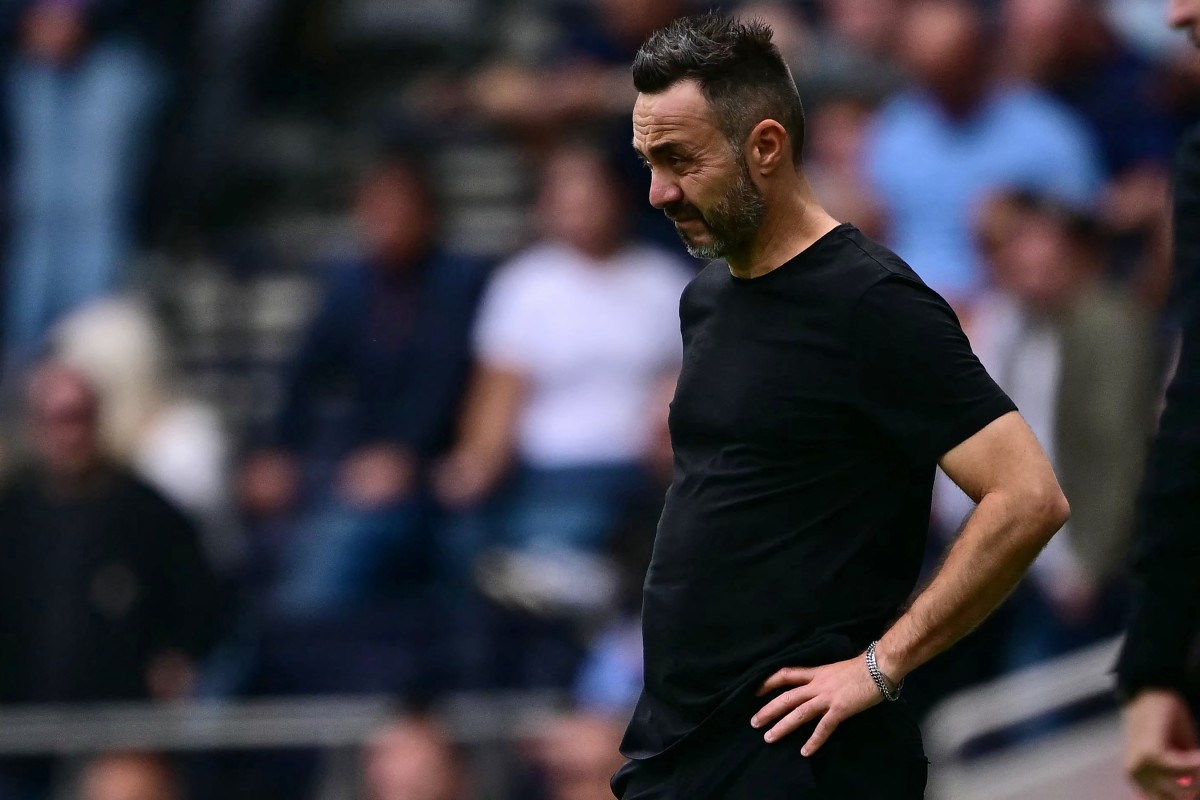
Roberto De Zerbi has yet to win a Premier League match with Tottenham after six games, despite a summer outlay of around £300m. Yet there is little indication that his position is under immediate threat, with the club encouraged by elements of the team's performances and confident that results will follow.
Roberto De Zerbi has yet to win a Premier League match with Tottenham after six games, despite a summer outlay of around £300m.
Pierre Sage has collected only one league win with Crystal Palace and has presided over a defence that has leaked goals. Palace have also had to cope with the absences of Ismaila Sarr and Jean-Philippe Mateta, while Thursday's 4-0 Europa League win over Lech Poznan provided some breathing room. A defeat at Leeds, however, would come at an awkward moment.
 For all latest news, follow The Daily Star's Google News channel.
 At Burnley, the pressure is more explicit.
Nicky Hayen admitted there was pressure after Burnley's start failed to match expectations. They entered the season as the third favourites for promotion behind West Ham and Wolves but remained without a win after eight matches. A 1-1 draw at Derby, sealed by a stoppage-time equaliser, left Burnley bottom of the table heading into the break.
Derby's John Eustace is also operating in an uncomfortable zone, with his side in the relegation places.
Watford, meanwhile, are already back on familiar ground: a manager under scrutiny. Alessio Dionisi is the club's 27th permanent manager in fewer than 18 years and has managed only two wins from his first eight matches. After defeat by Bristol City, Watford sit 19th, three points clear of the relegation zone.
That makes the timing of the international break significant even if September itself has rarely been a decisive firing window.
Tony Pulis has identified the October and November breaks, the post-Christmas pause and the early-March window as more traditional sticking points for struggling managers. The logic is simple: an international break gives a club time to assess the situation, make a change, shape a backroom team and prepare for the next match without having to act in the middle of a congested run.
The numbers back up the broader point. Only two Premier League managers were dismissed during September international breaks across the past decade, but six went during November breaks. More importantly, nine had already departed by the arrival of the second international break across those 10 seasons.
The break, then, is not necessarily the trigger.
It is the pause in which clubs decide whether the problems are temporary, or whether waiting another few weeks is simply making the inevitable harder.
Comments