


There will be no one like Leo

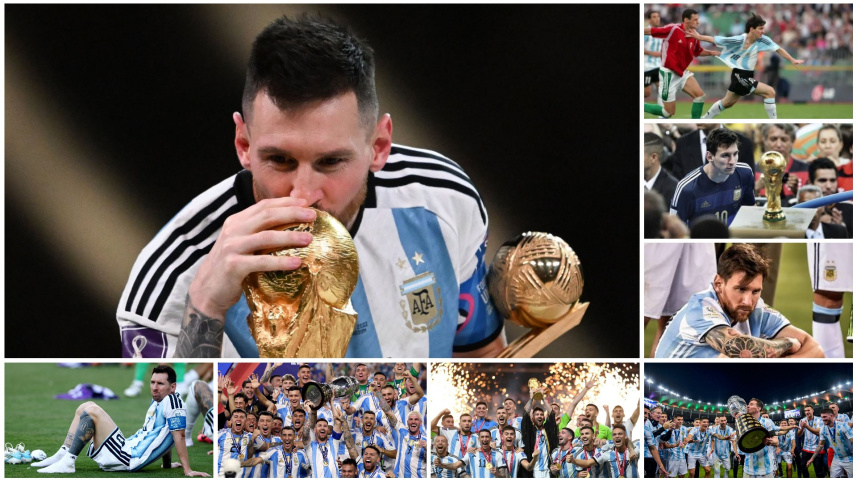
Lionel Messi’s international career did not follow any familiar script. For years, it was defined less by what he won with Argentina than by what he failed to win.
That distinction mattered because Messi had already built an almost untouchable legacy at club level. At Barcelona, he won virtually every major honour available, repeatedly redefining what was possible for an attacking player.

Yet, with Argentina, the story was different. The comparison with Diego Maradona remained unavoidable, and the absence of a World Cup trophy was often used as the final argument against Messi being regarded as the greatest of all time.
That argument disappeared in Qatar in 2022.
At 35, Messi finally completed the one part of his career that had remained unfinished, leading Argentina to their first world title since 1986. But what makes his international legacy more remarkable is what happened before -- and after -- that triumph.
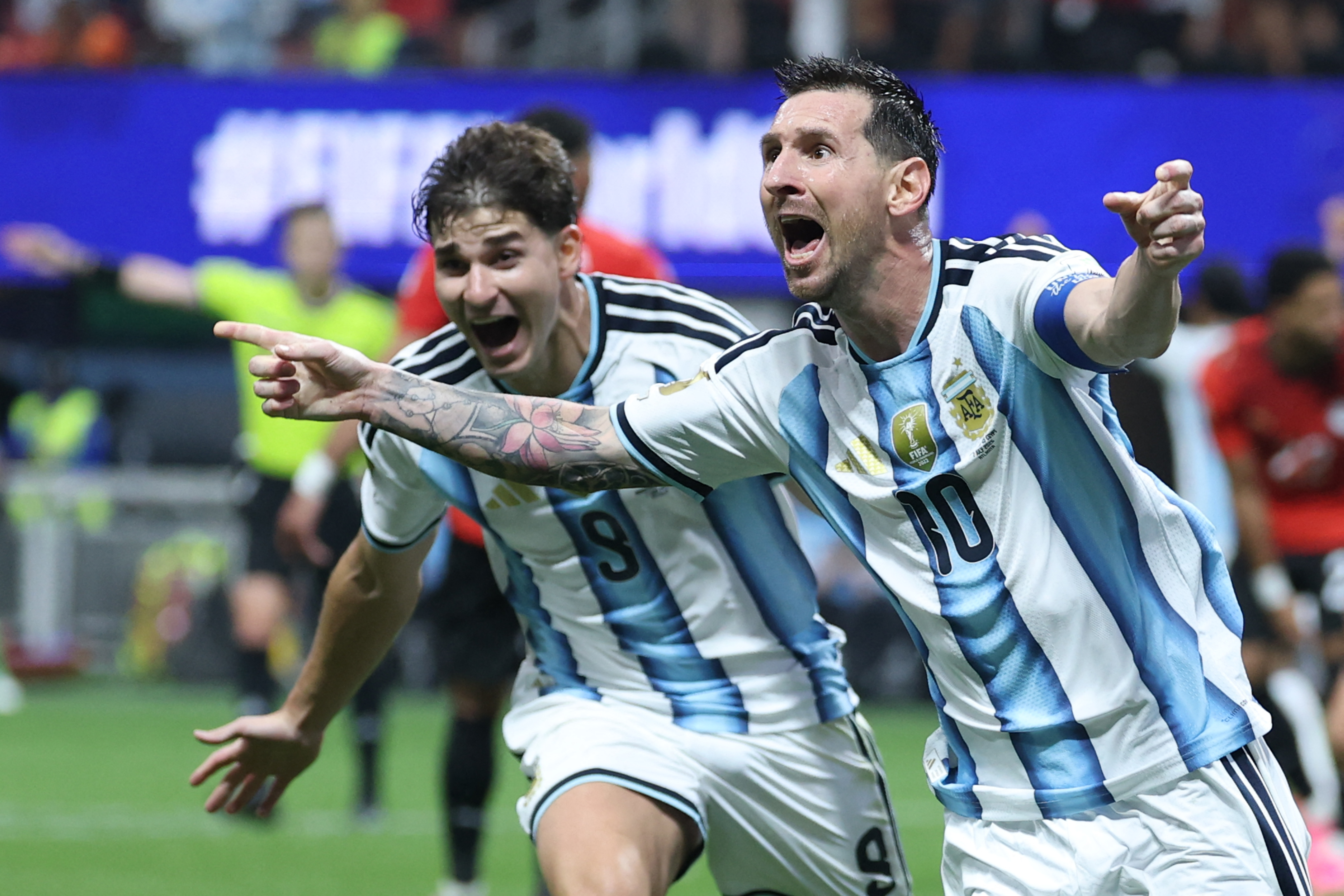
Messi’s relationship with Argentina was built through repeated disappointments. He reached the 2014 World Cup final and lost to Germany. He then suffered defeats in the 2015 and 2016 Copa America finals against Chile. Having lost three consecutive major finals, Messi announced his international retirement. However, it wasn’t meant to be the end as he reversed his decision a couple months later and so began the quest for the unfinished business.
The pressure was not simply about trophies. Messi was constantly asked to reproduce his Barcelona influence in a national team that often lacked the same structure, quality and continuity around him. His brilliance could take Argentina to finals, but it could not, on its own, finish the job.
The arrival of Lionel Scaloni changed that equation. Scaloni did not merely build a better team around Messi; he created an environment in which Messi no longer had to carry every responsibility. Argentina became more balanced, aggressive and cohesive, while Messi’s role evolved. He remained the creative centre, but he no longer needed to dominate every phase of the game.
The results were immediate. Argentina won the 2021 Copa America, beating Brazil at the Maracana, followed by the 2022 Finalissima win against Italy. Those victories were important not only because they ended Argentina’s long wait for a major trophy, but because they changed the team’s psychological relationship with winning silverware.
By the time Argentina arrived in Qatar, Messi was no longer playing for validation. He was playing with a team that believed it could win with him.
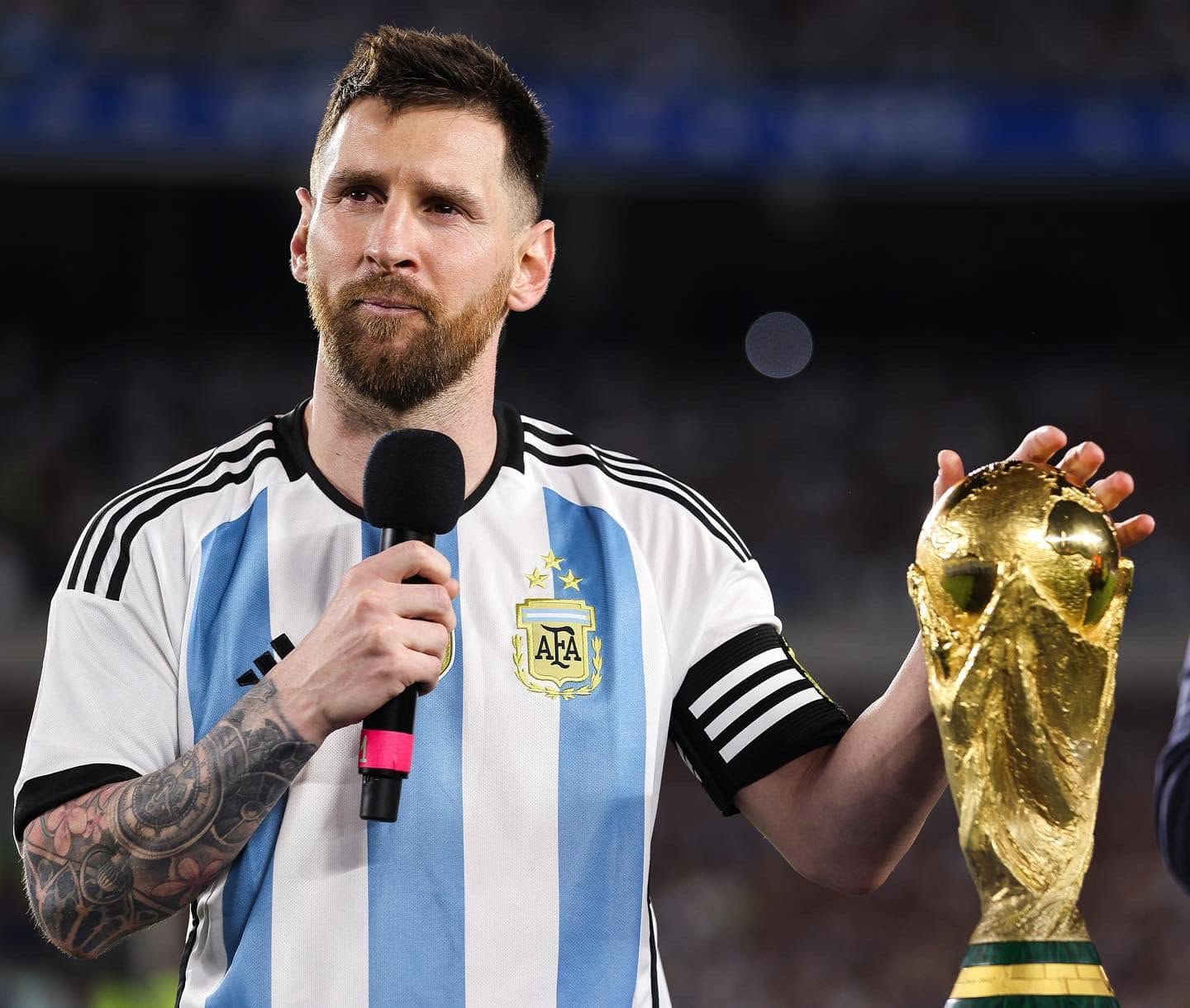
The 2022 World Cup was therefore the culmination of a team’s transformation rather than a single-player achievement. Messi scored seven goals and provided three assists, but his influence extended beyond the statistics. He dictated games, created chances, controlled tempo and repeatedly produced decisive moments. The victory over France in the final finally removed the last major qualification from his claim to footballing immortality.
And yet, Messi did not stop there. He won another Copa America in 2024 and then returned for another World Cup campaign in North America. At an age when most players already think about retirement, the 39-year-old, once again became Argentina’s attacking focal point. He scored eight goals and provided four assists as they reached another World Cup final in 2026.
The final defeat to Spain on July 20 means his last appearance for the Albiceleste will be remembered not with another trophy, but with another heartbreak – an ending that, in some ways, reflects the unusual arc of his international career.
Soon after the World Cup, Messi’s father and agent, Jorge Messi, died following a long illness – a loss that left a profound and lasting impact on him. The emotional toll had already been visible during the tournament, with Messi seen in tears on several occasions after World Cup matches, though few knew at the time what lay behind his anguish and the inevitable loss he was preparing to face. Messi soon began hinting at retirement from international football before finally confirming his decision in a three-page letter yesterday.
Thank you for bringing so much joy to millions of football fans. You are retiring from international football as a FIFA World Cup champion and as one of the greatest players our sport has ever seen. I wish you all the best.
He closed a chapter that began with his debut in 2005. His career with the national team ultimately contained both extremes: three consecutive final defeats followed by a World Cup, two Copa America titles and a Finalissima, and then another World Cup final defeat.
His decision to play for Argentina was itself significant. Having moved to Barcelona at the age of 13, Messi had the opportunity to represent Spain. Instead, he chose Argentina, the country with which his footballing identity was formed. That choice eventually subjected him to years of criticism, but it also made his eventual redemption more meaningful.
“Thank you God for making me Argentine. Go Argentina!” Messi wrote while announcing his retirement on social media.
 For all latest news, follow The Daily Star's Google News channel.
 Messi may continue playing club football with Inter Miami, but his international legacy is now complete. More importantly, his journey demonstrates that greatness is not always defined by an uninterrupted path to success. Messi’s legacy was shaped by failure as much as by victory. There will probably never be another Lionel Messi -- a player who spent nearly two decades carrying the weight of a nation’s expectations, only to eventually turn that burden into one of football’s greatest international legacies.
Comments