


Adidas apologises over campaign featuring former Israeli soldier
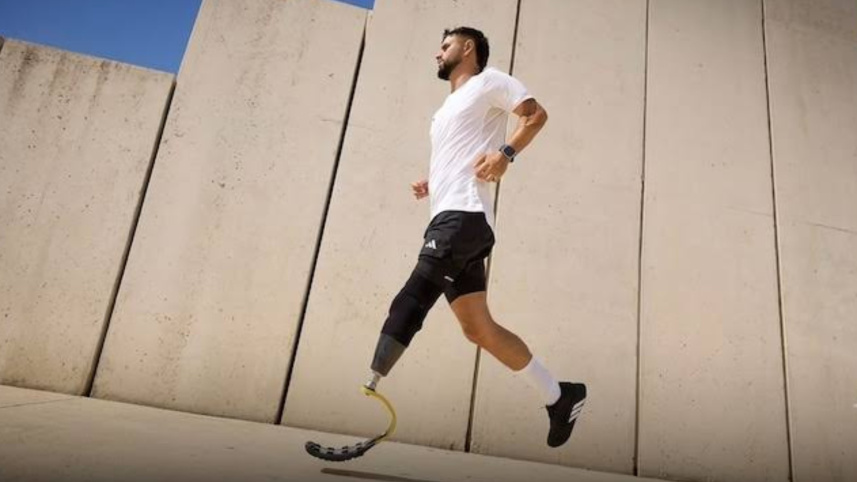
Adidas Arabia, the regional arm of German sportswear giant Adidas, has apologised after an advertising campaign featuring a former Israeli soldier sparked an online backlash and renewed calls to boycott the brand.
The campaign featured Shalev Biton, who lost his left leg after being wounded while serving in the Israeli army in 2021, to promote Adidas’ Single Shoe service, which allows customers to purchase individual shoes rather than a pair.

“We recognise that an image used in a recent local campaign has raised concerns and strong reactions,” Adidas Arabia said in a statement, according to reports.
“It was never our intent in any way to cause offence, and we apologise to everyone affected by this,” the company said, adding that it was treating the reactions “with the utmost seriousness”.
Biton was one of 11 disabled athletes featured on posters displayed at Adidas stores in Israel. The company said the promotion was a local initiative rather than part of a global advertising campaign.
The campaign drew criticism from pro-Palestinian activists, who questioned the inclusion of a former Israeli soldier in an initiative focused on amputees while thousands of Palestinians have lost limbs during the war in Gaza.
According to reports citing World Health Organisation estimates published in May, Gaza has recorded more than 5,000 traumatic limb amputations and more than 22,000 major extremity injuries since October 2023. Up to a quarter of those suffering life-changing injuries were children.
The backlash also prompted calls on social media for a boycott of Adidas, with Spanish actor Javier Bardem among those reported to have urged consumers to stop buying from the company.
Adidas said its Single Shoe service was designed to improve accessibility for people with limb differences by allowing them to buy only the shoe they need. The service is being expanded across Europe, Asia and the Middle East, according to reports.
The company said it would continue to listen to the concerns raised and work to ensure its actions reflected its stated commitment to inclusion.
 For all latest news, follow The Daily Star's Google News channel.
Comments