


How Spain forced France to evolve
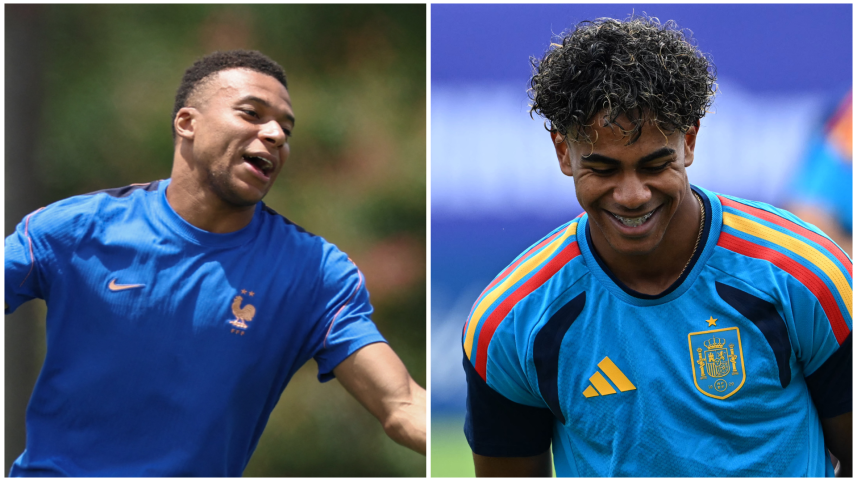
When France walked off the pitch after their EURO 2024 semifinal defeat by Spain in Munich, the disappointment ran deeper than missing out on a place in the final. For Didier Deschamps, it exposed the limitations of a formula that had carried Les Bleus to two successive FIFA World Cup finals but was no longer enough against Europe’s new benchmark.
France briefly led through Randal Kolo Muani before Spain seized control. Lamine Yamal and Dani Olmo struck before half-time as La Roja dominated possession, manipulated space with ease and dictated the rhythm of the contest. France, content to defend deep and attack in transition throughout much of the tournament, found themselves chasing shadows.

The defeat became the catalyst for change.
In that tournament, Les Bleus scored only two goals from open play and struggled to create consistently against organised defences. Their compact 4-3-3 and direct approach had brought defensive security, but Spain exposed the lack of creativity between midfield and attack whenever France were denied space to counter.
Deschamps responded by gradually reshaping both his squad and his system.
As experienced figures including Antoine Griezmann, Olivier Giroud, Benjamin Pavard and Kingsley Coman moved on, a younger generation emerged following France's Olympic campaign. Desire Doue, Manu Kone and Michael Olise offered greater technical quality, mobility and tactical flexibility, allowing Deschamps to move increasingly towards a more adventurous 4-2-3-1.
The change was about far more than formation. France began placing greater emphasis on controlling possession, pressing higher up the pitch and creating overloads between the lines instead of relying almost exclusively on quick transitions.
Olise became a key figure in that evolution, drifting into central pockets to link midfield with attack, while Doue and Ousmane Dembele added relentless movement and pressing intensity. Crucially, Kylian Mbappe also adapted to this collective shift, taking on specific pressing triggers from the front to disrupt opposition build-up. His increased work rate off the ball ensured France maintained a unified, aggressive high block, giving their front four the platform to unsettle opponents both with and without possession.
France's progress was evident when they faced Spain again in the UEFA Nations League semi-final in June 2025. Although Deschamps' side lost a thrilling 5-4 encounter, the tactical picture had changed dramatically. France outshot Spain 24-16, enjoyed longer spells of possession and pressed with far greater aggression than they had in Munich. Defensive lapses in an experimental back line proved costly, but the gap between the two sides had narrowed.
France have not abandoned the qualities that made them one of international football's great tournament teams. They remain physically imposing, ruthless in transition and devastating when space opens up. But they have added layers that were missing in Munich: control, patience and tactical flexibility.
Spain may have ended France's European dream two years ago, but in doing so they also reshaped Les Bleus, forging a side far better equipped to challenge the team that forced its evolution.
 For all latest news, follow The Daily Star's Google News channel.
Comments