


Scaloni turns Argentina's weakness into a weapon


After Argentina's 3-1 victory over Switzerland in the quarter-finals of the FIFA World Cup, head coach Lionel Scaloni summed up his team's mentality in a few telling words.
"We knew that we were going to suffer, and this is part of our blood, this is part of our DNA, and this brings peace of mind."

The remark perfectly captures the evolution of Scaloni's Argentina.
Not long ago, the Albiceleste had a habit of turning comfortable matches into nerve-racking affairs by conceding late goals and inviting unnecessary pressure.
That vulnerability was laid bare during their triumphant 2022 World Cup campaign.
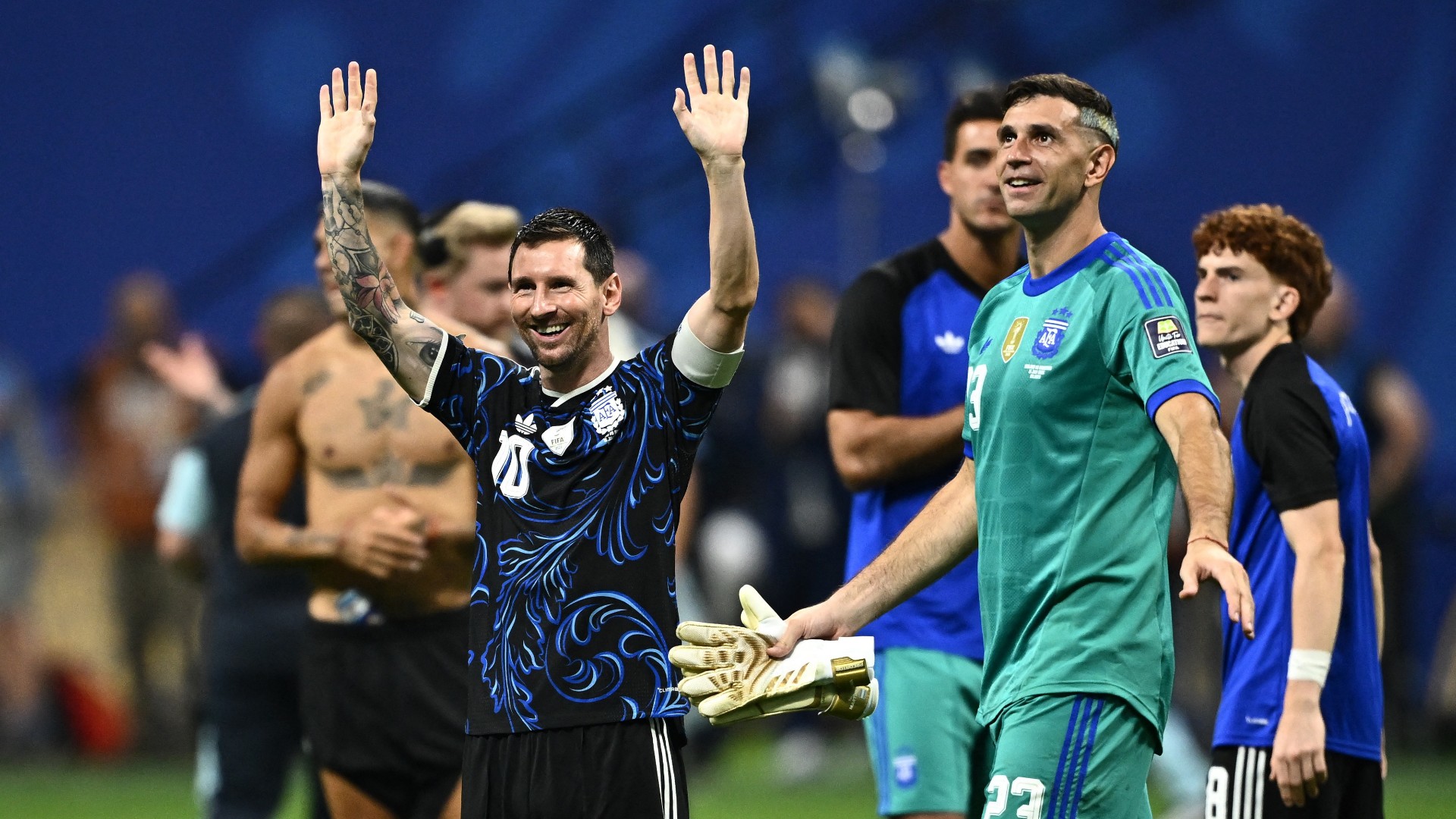
Against Australia in the Round of 16, a 2-0 lead became a tense finish after a 77th-minute own goal. The quarter-final against the Netherlands saw Argentina surrender a two-goal advantage before prevailing on penalties. In the final, they twice let France back into the contest after leading, eventually lifting the trophy in a shootout.
Winning the World Cup masked those shortcomings, but Scaloni never appeared satisfied. Calm and composed on the touchline, he remained determined to eliminate one of his side's biggest flaws.
Four years later, that weakness has become Argentina's greatest strength.
Instead of conceding decisive late goals, Argentina have become masters of finishing games. Twelve of their 19 goals at the 2026 World Cup have come after the 75th minute, including stoppage time and extra time, underlining not only their fitness but also their mental resilience.
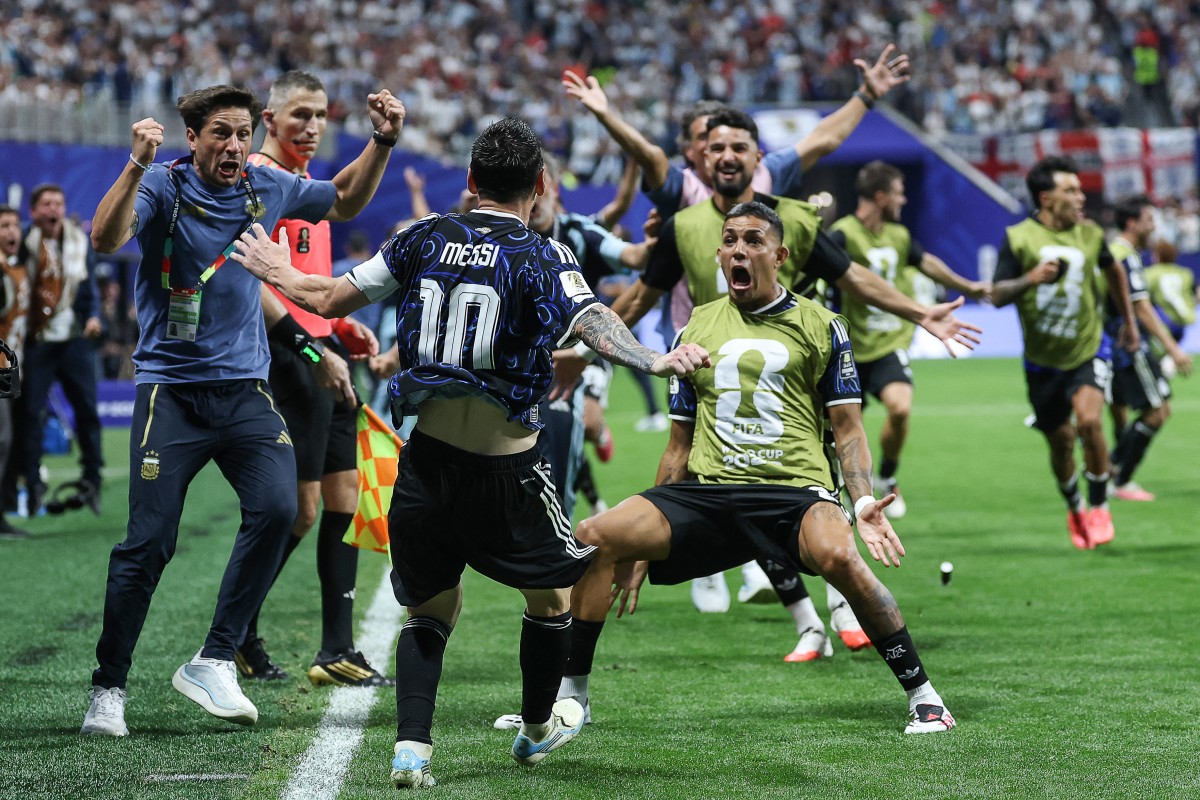
They scored late in all three group-stage matches before producing dramatic finishes in the knockout rounds, netting twice in extra time against both Cape Verde and Switzerland.
Their resilience was even more evident against Egypt and England. Argentina came from two goals down to beat Egypt 3-2 in the Round of 16 before overturning a 1-0 deficit against England in the semi-final, scoring twice late on to reach a second successive World Cup final.
Lionel Messi remains the heartbeat of those comebacks, but Scaloni no longer relies solely on his captain. Enzo Fernandez, Lautaro Martinez, Julian Alvarez and Cristian Romero have repeatedly delivered when the pressure has been greatest.
Football has long celebrated "Fergie Time", while Carlo Ancelotti's Real Madrid became synonymous with dramatic late comebacks in the UEFA Champions League. Scaloni's Argentina now belong in that conversation.
He has transformed suffering into belief, late-game anxiety into authority and, as he put it after beating England, "We are unique."
 For all latest news, follow The Daily Star's Google News channel.
Comments