


Why own goals are skyrocketing this World Cup
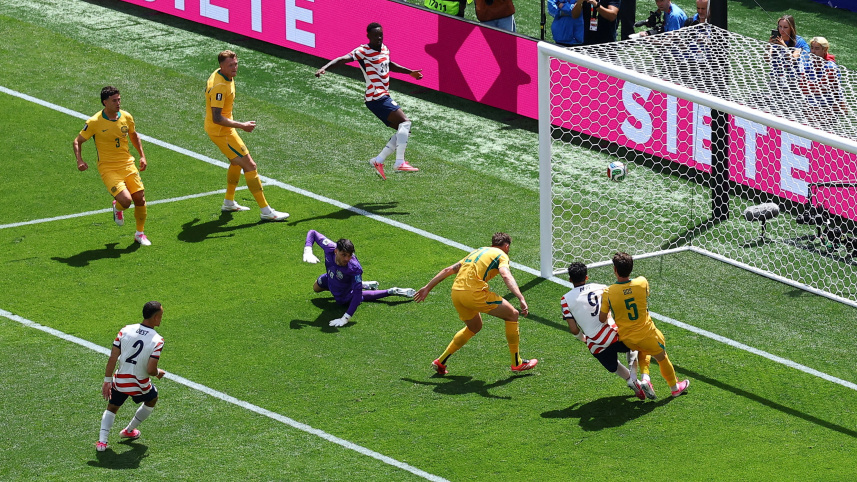
The defining image of Saturday’s high-octane clash between the USA and Australia did not feature a blistering strike from an elite forward, but rather the agonising sight of a towering defender frozen in time. The Socceroos' backline cracked under a relentless press in the 11th minute, a devastating low delivery left Cameron Burgess with no time to sort his feet, deflecting the ball past his own keeper to eventually set up a comfortable 2-0 win for the co-hosts.

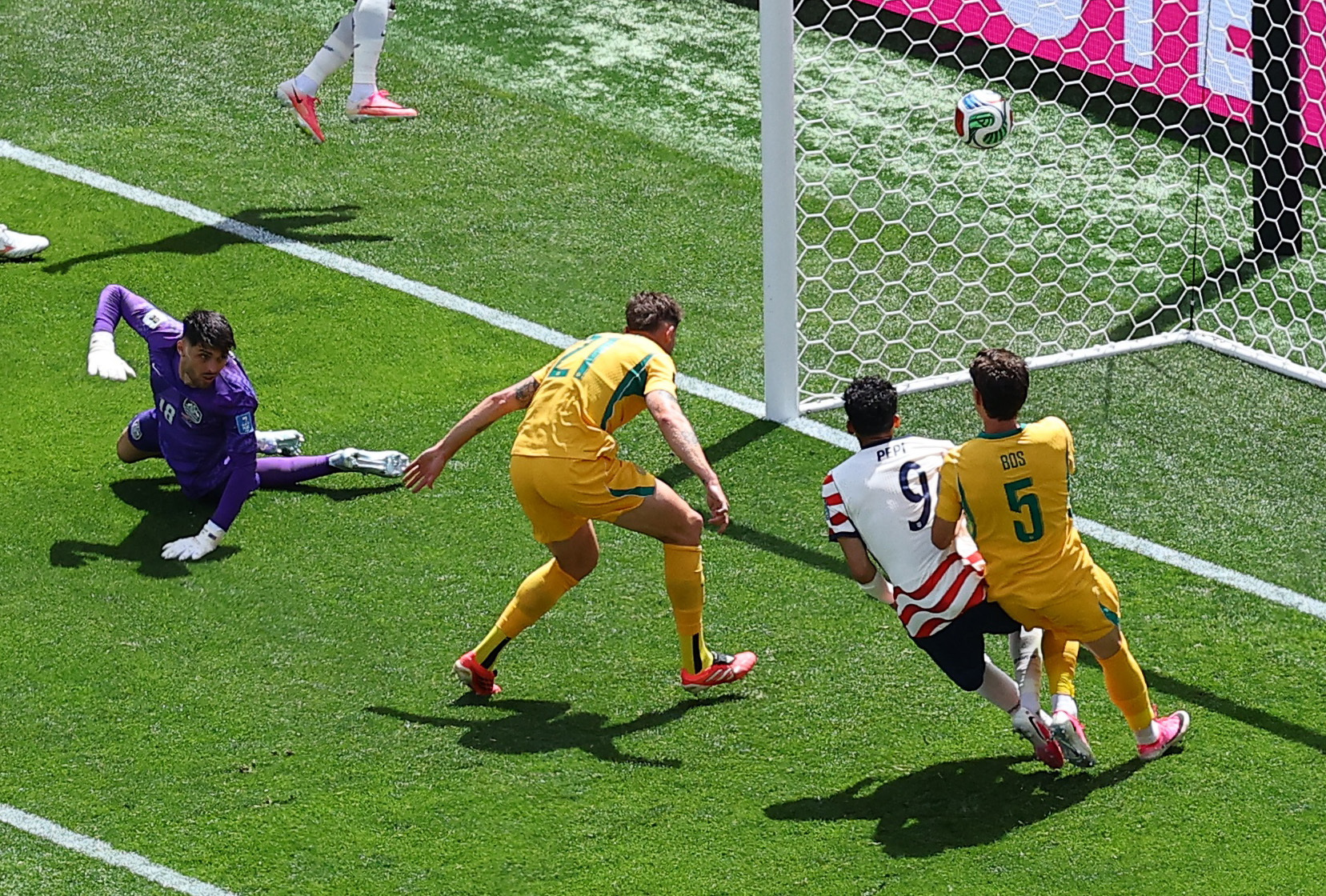
It was a moment that etched the USA into the history books as the first side in men's World Cup history to benefit from own goals in consecutive matches, following Damian Bobadilla’s seventh-minute mishap in Paraguay's 4-1 defeat days earlier.
More importantly, it underlined a bizarre tournament trend.
While the world’s elite forwards arrived in North America with their eyes fixed on the Golden Boot, they are currently being outpaced by a rather embarrassing collective entity. Seven own goals have already been registered at the 2026 World Cup - five more than the entire 2022 tournament in Qatar.
Far from being mere clumsiness, this spike in defensive self-destruction is a direct consequence of modern attacking tactics.
Both of the USA's historic moments stemmed from the same tactical blueprint: attacking with blistering pace down the flanks, getting to the byline, and flashing low, high-velocity deliveries across the six-yard box.
Historically, wingers favoured out-swinging crosses from deep. Now, the focus is on creating chaos in the "corridor of uncertainty". When a ball is driven hard across the face of the goal, sprinting defenders are forced to track back at full pelt toward their own net. At that speed, the slightest touch or a bad bounce makes a deflection past the goalkeeper almost inevitable.
This was seen when Egypt's Mohamed Hany inadvertently turned in Belgium’s equaliser under immense pressure, and again when Qatar’s Mohamed Manai suffered a wild, panicked miskick against Canada. Even Iraq’s talismanic forward Aymen Hussein fell victim to the chaos, unluckily redirecting a cross into his own net against Norway.
In the era of data-driven football, where teams meticulously design attacks to generate high-value cut-backs, these errors are not entirely accidental. They are forced by design.
 For all latest news, follow The Daily Star's Google News channel.
Comments