


World Cup errors shake faith in VAR

Technology is supposed to make life easier, not the other way around. Yet when it comes to football, it often seems to have made the game more complicated, raising more questions than it answers.

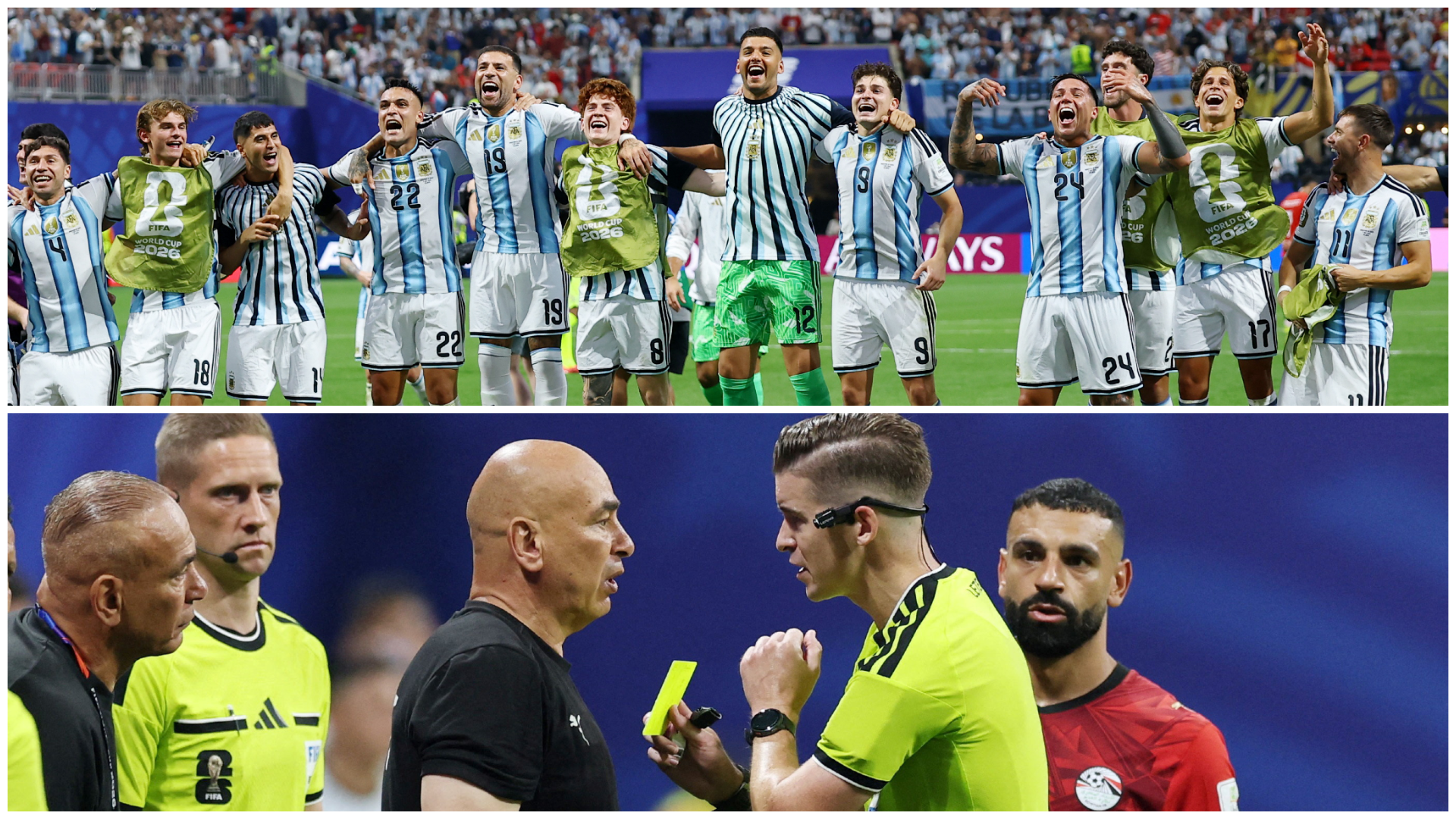
Video Assistant Referee (VAR) is now an integral part of the sport. But despite being in use for nearly a decade, doubts remain over its authority, consistency, clarity, and, ultimately, whether it is fulfilling the purpose it was introduced for -- reducing clear and obvious errors.
Those concerns resurfaced during the recently concluded FIFA World Cup. Throughout the expanded 48-team tournament -- the biggest in history -- VAR decisions repeatedly divided players, coaches, pundits, and supporters.
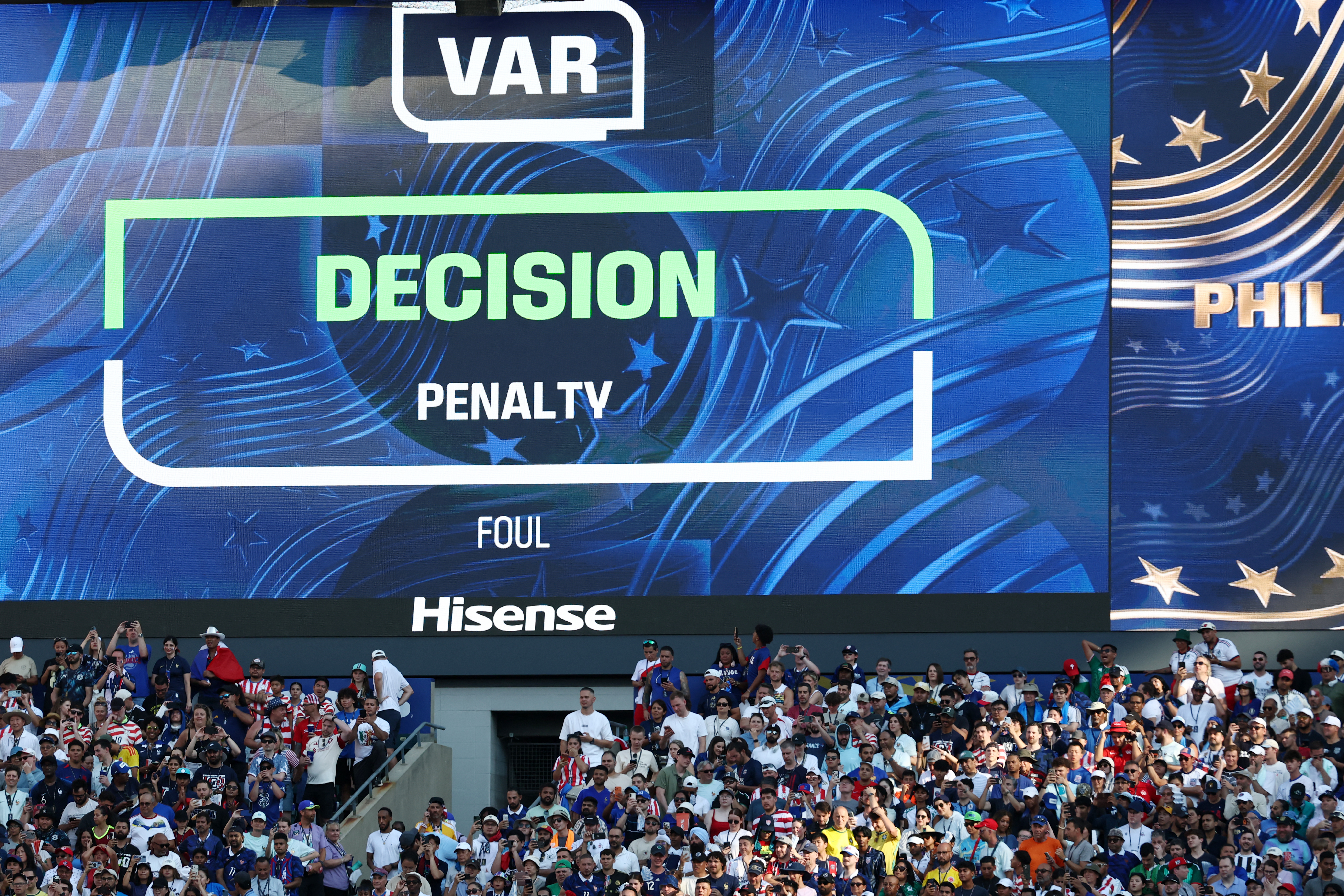
More than a week after the tournament ended, the debate has refused to die down. The latest chapter came on Tuesday when football's law-making body, the International Football Association Board (IFAB), admitted that VAR had been used incorrectly on two occasions during the World Cup.
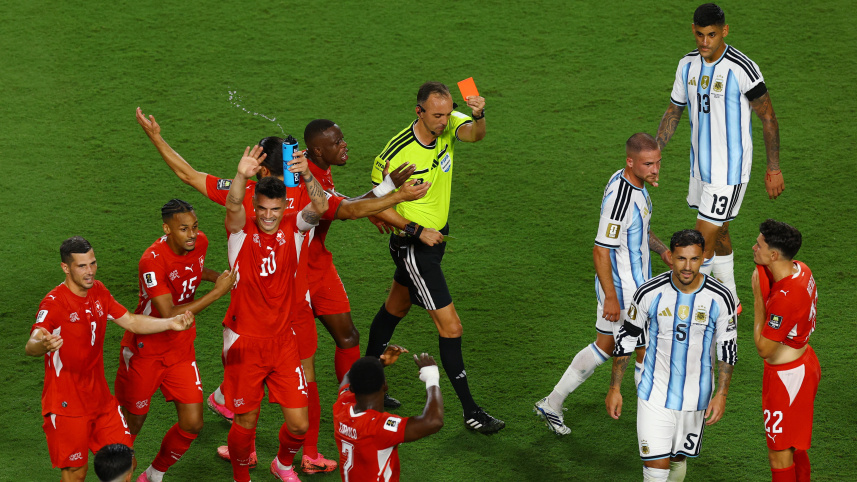
The incidents involved Switzerland forward Breel Embolo's controversial dismissal in the quarterfinal defeat to Argentina and Paraguay forward Miguel Almiron's booking for simulation during his side's group-stage clash against co-hosts the United States.
In a circular, IFAB clarified that VAR officials had wrongly used the 'mistaken identity' provision to overturn yellow-card decisions related to simulation -- something the current protocol does not allow.
"A yellow card (caution) which is not a second yellow card can only be reviewed to identify the player who committed the offence that was penalised; the offence itself cannot be reviewed or changed," the circular stated.
In simple terms, VAR exceeded the authority granted to it by the laws of the game.
According to IFAB, VAR should only have alerted the referee that the players initially cautioned -- Argentina's Leandro Paredes and USA's Tim Ream -- had not committed the offences. The referees should then have rescinded those yellow cards. What they were not permitted to do was go a step further and caution Embolo and Almiron instead.
For Almiron, it resulted in a first yellow card. For Embolo, however, it proved far more consequential. The caution became his second, leading to his dismissal -- a sending-off that stemmed from a VAR overstepping that should never have happened.
The controversy has also prompted a wider discussion among refereeing authorities over VAR's role and its growing influence on decision-making.
European refereeing officials have stressed that VAR should only be used to overturn "blatantly incorrect" decisions and address clear missed incidents.
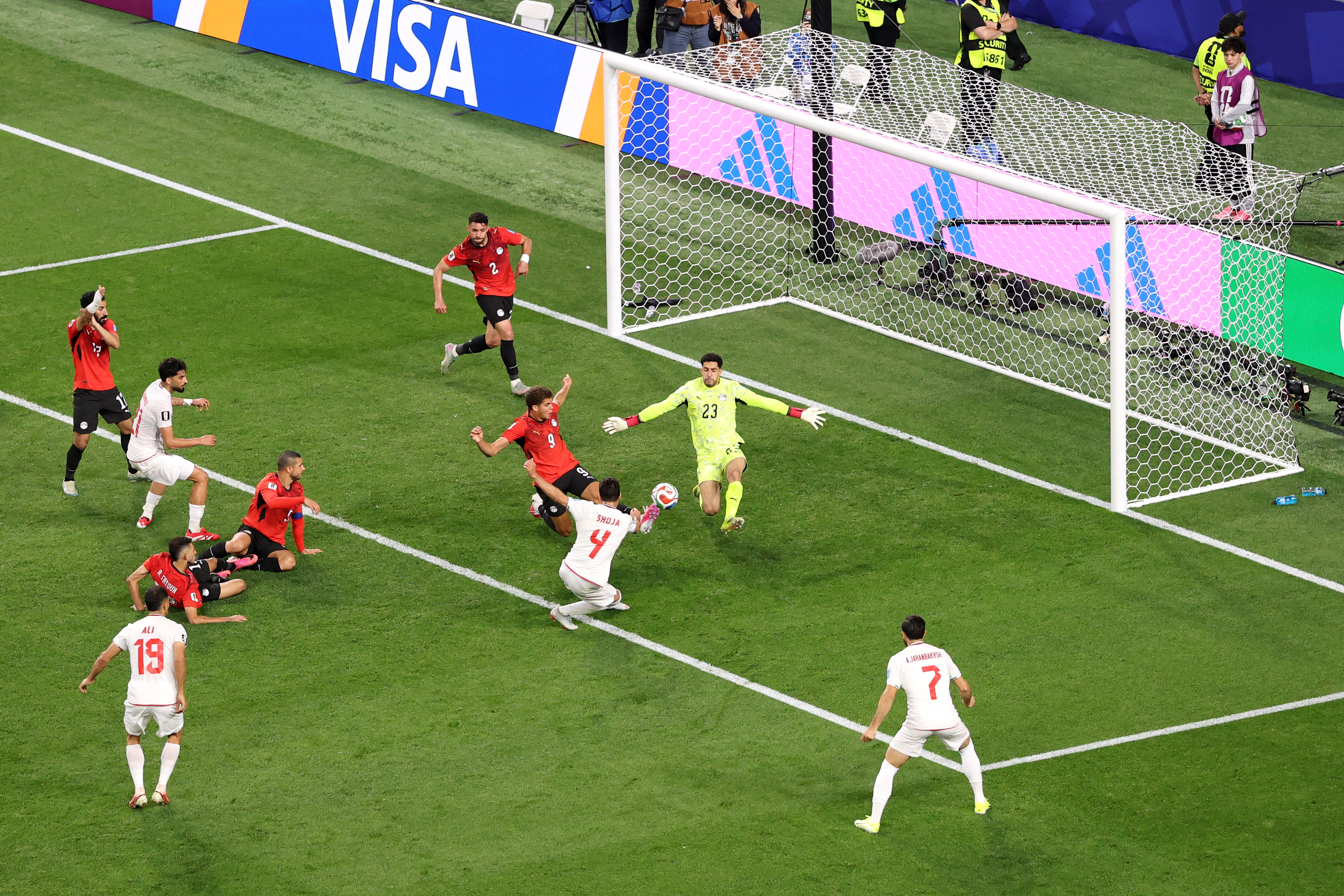
Chief refereeing officers from all 55 European national football associations recently met with UEFA refereeing officials and a representative from the IFAB to discuss recent changes to football's laws and the use of technology.
According to UEFA, attendees expressed concerns that "lengthy, microscopic reviews" have taken VAR beyond the scope it was originally introduced for.
When VAR was incorporated into the Laws of the Game by IFAB in 2018, its guiding philosophy was "minimum interference, maximum benefit". The aim was not to re-referee matches but to reduce "unfairness caused by clear and obvious errors or serious missed incidents" involving goals, penalties, direct red cards, and cases of mistaken identity.
UEFA said the refereeing officials agreed that a return to those original principles is necessary, reinforcing the belief that VAR should remain a tool to correct clear mistakes rather than become a constant presence in every contentious moment.
But acknowledging, after the World Cup had ended, that both Embolo and Almiron incidents were handled incorrectly does little to ease the damage. It neither changes the outcome nor compensates the teams affected.
 For all latest news, follow The Daily Star's Google News channel.
 For Switzerland in particular, the consequences were potentially enormous.
Embolo was sent off in the 72nd minute, just five minutes after Dan Ndoye had levelled the scores. By then, Switzerland had wrestled momentum away from Argentina. From the start of the second half until Embolo's dismissal, the Swiss registered six shots, four of them on target. Argentina, during the same spell, managed only two attempts, neither of which tested the goalkeeper.
Embolo had played a key role in Switzerland's equaliser, and the momentum suggested they had every chance of achieving something unprecedented -- defeating Argentina for the first time ever and also reaching their maiden World Cup semifinals.
Instead, reduced to 10 men, Switzerland's hopes faded as Argentina struck twice late on to seal a 3-1 victory.
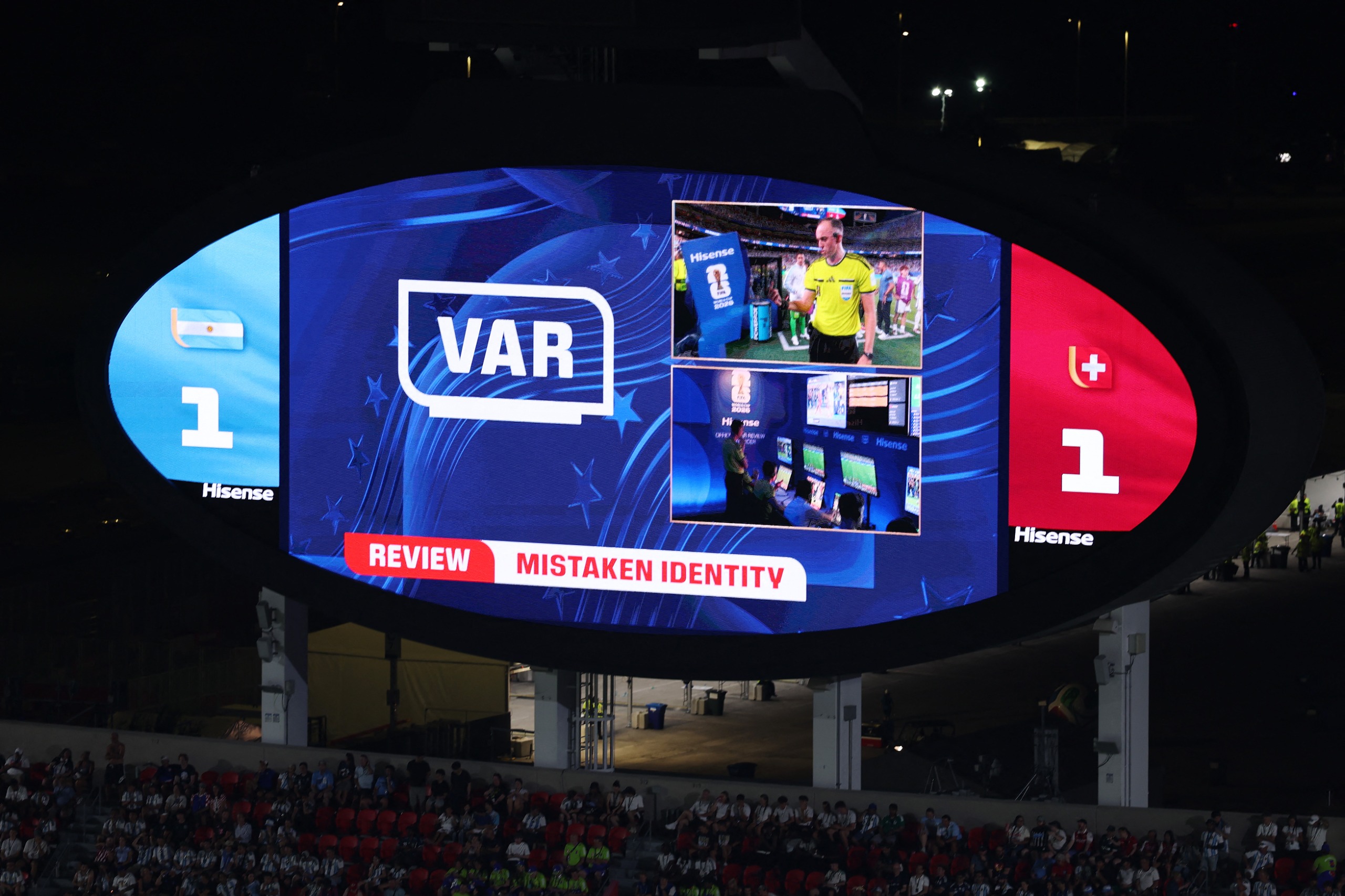
"It destroyed our game today. We have to accept it, but it's painful to lose that way," Switzerland coach Murat Yakin said after the match.
The incident goes beyond one incorrect decision or one unfortunate result. It exposes a deeper concern about the game's growing dependence on technology. VAR was introduced to eliminate obvious mistakes, not create new ones through misinterpretation of its own protocols.
If those entrusted with using the technology are unclear about the limits of its authority, then the issue lies not with the technology itself, but with the framework governing it. Clearer protocols, better training, and stricter implementation are no longer optional -- they are essential.
Otherwise, every controversial decision will continue to undermine the very confidence VAR was designed to restore. And as Yakin warned, technology intended to protect the game risks becoming the very thing that destroys it.
Comments