


Bangladesh voice joins global call to put oral health on the health agenda

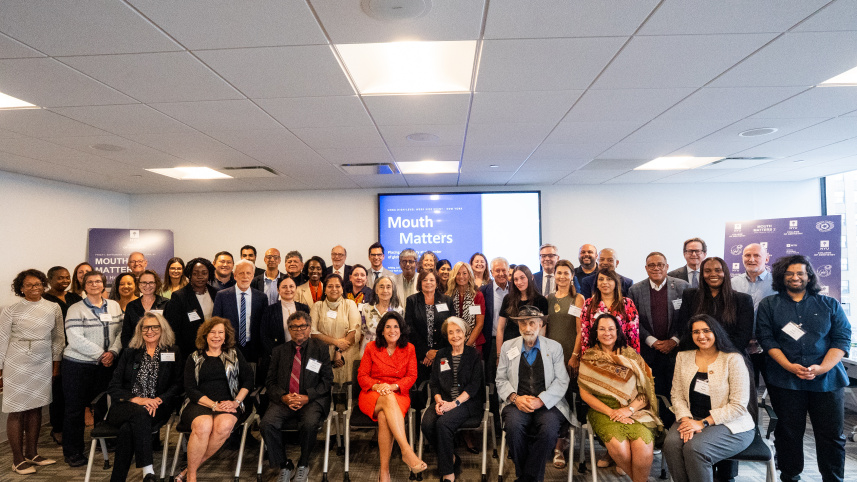
Global health leaders and civil society representatives have called for oral health to be treated as an integral part of broader healthcare, with stronger community involvement in shaping policies and expanding access to essential dental services—according to a press release from The Alliance for Oral Health Across Borders.
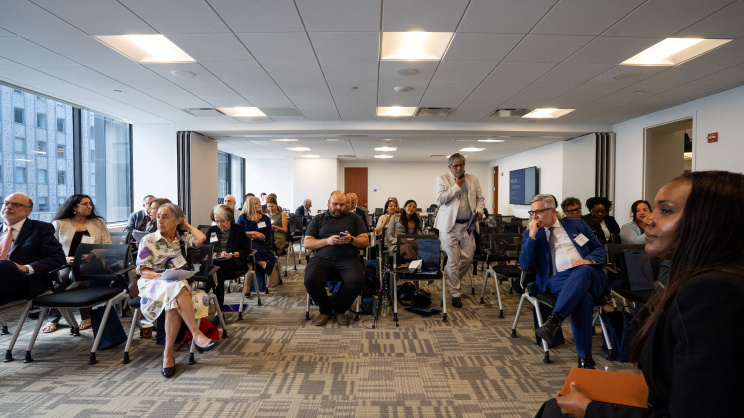
The call came at Mouth Matters 2: Bringing Civil Society at the Center of Global Oral Health, held during the 81st United Nations General Assembly week in New York on September 18. The event brought together public health experts, researchers, clinicians and civil society advocates to discuss how oral health can be better integrated into non-communicable disease (NCD) programmes and universal health coverage.

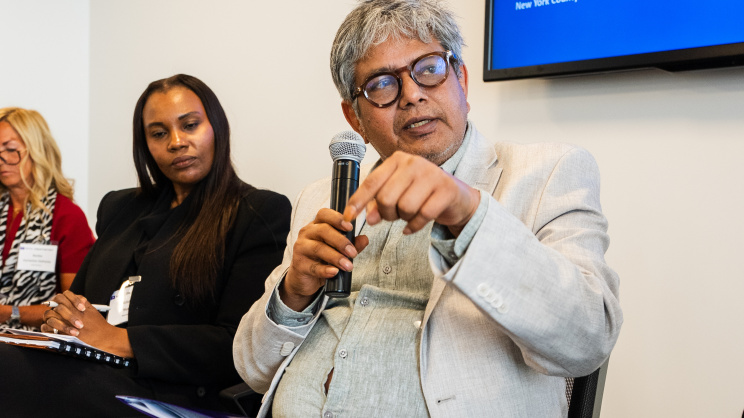
Bangladesh was represented in a key civil society discussion by Dr Md Shamim Hayder Talukder, Chief Executive Officer (CEO) of Eminence Associates for Social Development, member secretary of the Bangladesh NCD Forum (BNCDF), and former chairperson of the South-East Asia Regional NCD Alliance. He joined the event’s working plenary panel on placing civil society at the centre of the oral-health agenda.
BNCDF, highlighting his participation in a Facebook post, said the gathering brought together global health leaders and civil society representatives to emphasise the importance of oral health in achieving better health outcomes for all. The forum called for continued efforts to keep oral health on the global health agenda.
The discussion is particularly relevant for Bangladesh, where oral diseases remain a major but often overlooked public-health problem.
According to the World Health Organisation (WHO), more than 80 percent of Bangladesh’s population is affected by at least one oral disease, while 71 percent of people surveyed reported never having received any form of dental care. Nearly 14,000 new cases of oral cancer were recorded in the country in 2020.
Bangladesh has recently taken an important step towards addressing the problem by endorsing its first National Oral Health Strategy and Action Plan 2025–2030. The plan aims to strengthen services, improve the oral-health workforce and integrate oral healthcare more closely with primary healthcare. It targets, among other goals, reducing untreated dental caries and premature deaths from oral cancer by 2030.
The global meeting focused on four areas: ensuring access to oral healthcare without financial hardship, including oral health across public policies, integrating it beyond traditional dentistry, and strengthening civil society leadership and accountability. Participants also discussed ways to include essential dental benefits in primary-care networks and build stronger links among NCD organisations, academic institutions and grassroots groups.
Oral diseases share several risk factors with other major NCDs, including high sugar consumption and tobacco use. WHO says oral diseases affect billions of people worldwide, while treatment is often expensive and excluded from universal health coverage packages, particularly in low- and middle-income countries.
For Bangladesh, experts' increasing focus on oral health also fits into a broader effort to tackle NCDs through prevention, primary healthcare and multisectoral action. The country's new oral-health strategy aligns with WHO's global and South-East Asian plans, signalling a shift towards treating healthy teeth and gums not as a separate dental issue, but as part of overall health and universal health coverage.
 For all latest news, follow The Daily Star's Google News channel.
Comments