



Engineering resilience into every structure
5 October 2026
•
Resilient Homes

Building Better Begins with Making Better
5 October 2026
•
Resilient Homes
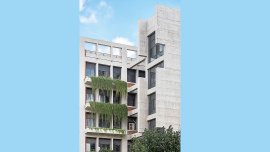
Use of Suitable Bricks and Blocks in Building Construction
5 October 2026
•
Resilient Homes
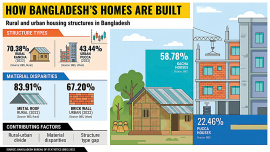
Housing a changing Bangladesh
5 October 2026
•
Resilient Homes

A blueprint for Bangladesh's manufacturing future
4 October 2026
•
Supplements

Rooftop solar is turning property owners into power sellers
4 October 2026
•
Your Property Guru

The city that follows you home
4 October 2026
•
Your Property Guru

Bringing EV charging home
4 October 2026
•
Your Property Guru
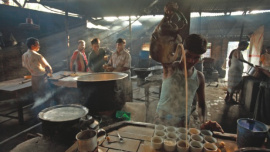
The architecture we live with but never notice
4 October 2026
•
Your Property Guru
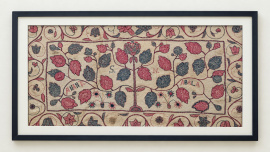
When is a painting worth the splurge?
4 October 2026
•
Your Property Guru

Smart living for a sustainable nation
LG’s approach to energy efficiency relies heavily on hardware innovation. The strategy focuses on eliminating energy waste through intelligent automation.
13 December 2025
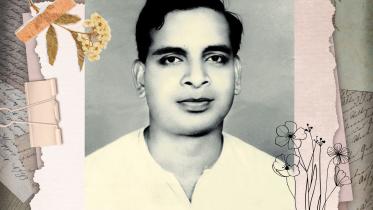
A historian of courage and conscience
Professor Giyasuddin Ahmad’s life was inseparable from the values he taught
13 December 2025

Cutting bills without cutting comfort
Imagine a small family in Dhaka: two working parents, two school-age children, and a modest apartment with a decade-old refrigerator, a forty-inch television, a thirty-litre storage geyser and several incandescent bulbs.
13 December 2025

The physician who turned his car into a lifeline of liberation
Dr Rabbee's Morris Minor car stands as one of the most powerful symbols of his bravery. He used it to transport injured freedom fighters, deliver medicines, and quietly support underground networks.
13 December 2025

Believing in his people, without fear
Rashidul Hasan was a beloved teacher of English at Dhaka University and a fearless believer in the rights of his people.
13 December 2025

From Shilalipi to the killing fields
Her commitment to service soon extended beyond medicine.
13 December 2025

A scientist, a philosopher
A former professor of Biochemistry at the University of Dhaka, he later served as Principal Scientific Officer at the Science Laboratories in Dhaka, where his research and leadership marked him as a rising scholar of exceptional promise.
13 December 2025

A writer made by resistance
Behind prison walls, Kaiser turned confinement into creation.
13 December 2025

Filming freedom
When the Liberation War erupted, Raihan crossed into Kolkata—not to retreat, but to fight with his camera.
13 December 2025

Tikka Khan’s letter of warning
The letter was both personal intimidation and a symbol of the regime’s determination to silence intellectual resistance.
13 December 2025

The face of an unknown woman in Rayerbazar
At dawn on 16 December, Rashid Talukder set out to take photographs with Michel Laurent, an American photographer from the Associated Press.
13 December 2025

Kenya’s cashless culture can stimulate potential for Bangladesh: A Traveler’s Take
From the bustling streets of Nairobi to the serene Maasai villages and even the sun-kissed shores of Diani Beach, one thing was clear: everyone uses mobile money.
10 December 2025

16 Days of activism: Will the dystopia for women ever end?
TDS: The Women’s Affairs Reforms Commission made 423 recommendations. How much has been implemented?
9 December 2025

Digital Abuse: The new frontier of rights violations
Every generation inherits new rights to defend. This Human Rights Day, Bangladesh confronts a frontier expanding faster than laws or institutions can manage: the digital world.
9 December 2025

Put rights issues at the heart of polls pledges
Bangladesh now needs a government prepared to confront long-standing issues such as custodial torture, extrajudicial killings, and border violence instead of repeating earlier patterns of inaction, rights activist ASM Nasiruddin Elan has said.
9 December 2025
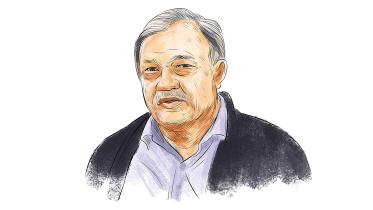
Only political will can break cycle of violence
Years of political hostility and the misuse of state agencies have kept political violence alive in Bangladesh, and only a newly elected government with the goodwill to act can break this cycle, said human rights activist Nur Khan Liton.
9 December 2025
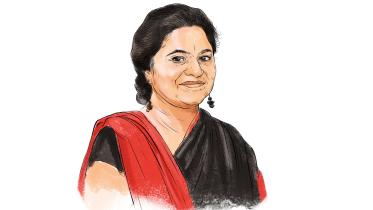
Political parties must tolerate dissent and embrace diversity
Justice and accountability for the egregious human rights violations of the past is crucial, but the challenge lies in ensuring this is not done by repeating patterns of reprisal and retaliation, warned Sara Hossain, a senior lawyer at the Supreme Court, as she spoke about the role of political parties in protecting human rights.
9 December 2025

Extrajudicial killings, custodial torture still stalk Bangladesh
ASK reports 29 deaths in 11 months till November this year
9 December 2025

Reclaiming human rights as everyday essentials
Human rights are “everyday essentials” for a functioning society -- the pillars of security, justice, and expression that people rely upon daily.
9 December 2025

Noor Mohammad: The food warrior of Barind
Noor Mohammad’s ambition extends far beyond his own fields. He sees his work as a solution to a national problem
9 December 2025