


Reasons to take building maintenance seriously
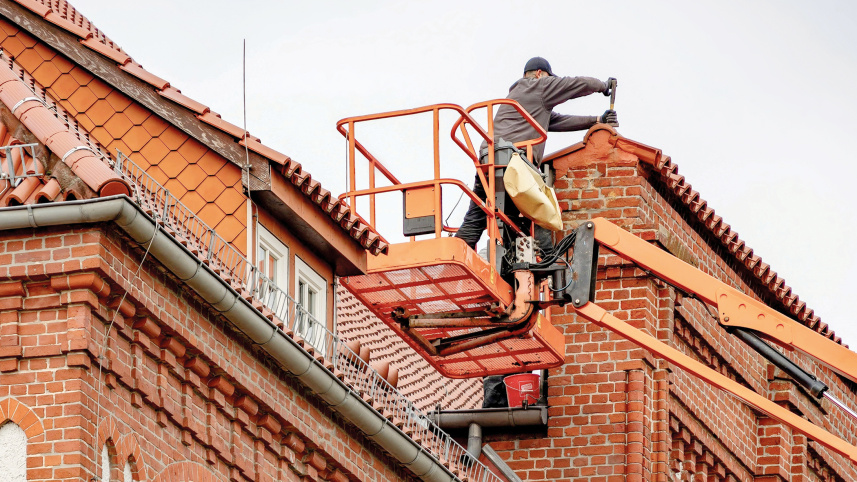
The recent earthquake in Venezuela highlights that natural disasters themselves are rarely as deadly as unsafe buildings. While structural warning signs like cracks, damp ceilings, and rust are often dismissed as normal aging, they can signal serious underlying dangers.
Regular maintenance is not merely about aesthetics; it is a critical investment in public safety. Timely inspections and repairs ultimately determine whether a building withstands emergencies like earthquakes and fires, or suffers catastrophic failure.

“Buildings naturally expand and contract because of changes in temperature, moisture and everyday use. Small hairline cracks in plaster or paint are usually cosmetic. But widening cracks in columns, beams or foundations, especially when accompanied by uneven floors or doors and windows that no longer close properly, should never be ignored.”
Small cracks, bigger problems
While natural deterioration is normal, neglecting repairs creates hazards. Architect Arik Islam notes that hairline cracks are usually cosmetic, but widening cracks in columns, beams, or foundations—especially alongside stuck doors or uneven floors—signal danger. Other warning signs like rust stains, exposed rebar, and sagging walls require immediate professional assessment.
Fire safety begins long before a fire
Rather than starting with sudden explosions, many building fires stem from slowly developing electrical issues like faulty wiring or overloaded circuits. This hazard is worsened when safety systems such as smoke detectors, fire extinguishers, and emergency exits are neglected, turning manageable incidents into tragedies.
Earthquakes expose existing weaknesses
Earthquakes rarely create structural problems; instead, they expose pre-existing weaknesses. Buildings compromised by corrosion, foundation settlement, or unauthorised modifications, such as removing load-bearing walls and adding unapproved weight, are far more likely to suffer devastating failure when seismic forces strike. Arik Islam says many owners mistakenly believe a building is safe simply because it functions normally. “A building can look perfectly fine in everyday use but still have weaknesses that become dangerous during a fire, earthquake or other emergency,” he explains.
Know when to seek help
One of the biggest mistakes property owners make is waiting until visible damage becomes impossible to ignore. If cracks continue to widen, reinforcement bars become exposed, water leakage persists or parts of the structure begin sagging, immediate professional evaluation is essential.
“Restrict access to the affected area, avoid making changes and contact a qualified structural engineer immediately,” advises architect Taorem Sananu.
Prevention is always cheaper
Since structural issues are often hidden, regular inspections and early maintenance are vital. As Arik Islam notes, detecting problems early is far cheaper than emergency repairs. Ultimately, a building’s safety depends on consistent care rather than its age, making routine maintenance a life-saving investment rather than an optional expense.
 For all latest news, follow The Daily Star's Google News channel.
Comments