


Transforming Everyday Merchant Commerce
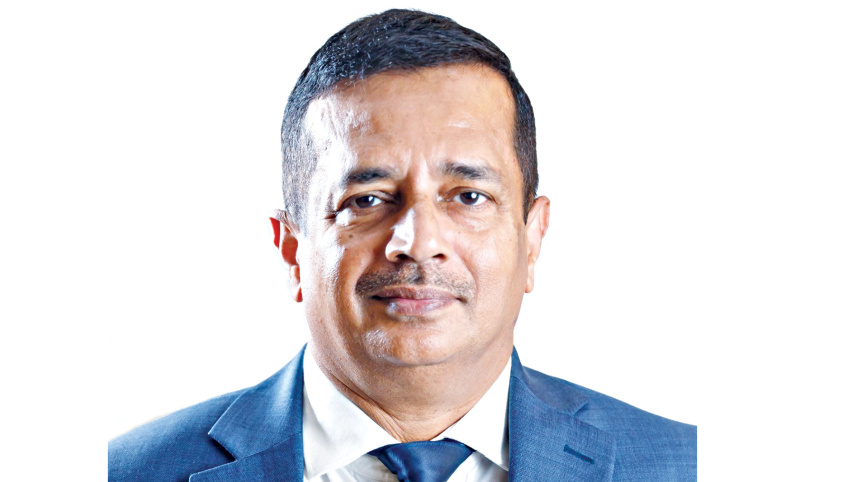
Ahsan Zaman Chowdhury
Managing Director and CEO
Trust Bank PLC.

At Trust Bank, every branch functions as a dedicated Bangla QR hub. Our field teams are actively converting merchant clusters and local grocers, ensuring that digital payments become a natural daily habit for our customers.
Bangla QR is a structural game-changer for the financial ecosystem. Ahsan Zaman Chowdhury, Managing Director and CEO of Trust Bank PLC, discusses how interoperability and simplified onboarding are essential for fostering long-term industry resilience and supporting the national objective of a cashless Bangladesh.
The Daily Star (TDS): How do you perceive the role of Bangla QR in driving Bangladesh’s transition toward a truly cashless society?
Ahsan Zaman Chowdhury (AZC): Bangla QR establishes a single, interoperable standard across banks and providers, breaking down proprietary walls. It provides the infrastructure needed to drive true financial inclusion and lower systemic transaction costs. By eliminating physical cash, it creates a level playing field for all stakeholders. As merchant acceptance and consumer adoption grow, this system will become the bedrock of a more modern and inclusive economy that supports our broader national digital objectives.
TDS: How are banks, MFS providers, and fintech companies collaborating to ensure seamless, cross-platform transactions for the end consumer?
AZC: Interoperability is the bedrock of modern banking. The industry has shifted from silos to strategic convergence under the regulatory framework of Bangladesh Bank. By integrating standardised APIs and central switches like NPSB, banks and MFS operators are delivering a frictionless payment experience. This collaborative ecosystem is essential for scale and resilience, ensuring customers can pay anywhere using their preferred secure mobile application without worrying about which bank the merchant uses.
TDS: How can we make Bangla QR a natural, daily habit for everyday retail transactions?
AZC: Driving behavioural shifts requires absolute reliability and tangible value. Early adoption must be encouraged through targeted rewards and discounts. However, long-term habits form when digital acceptance becomes ubiquitous across high-frequency daily touchpoints like pharmacies, local groceries, and public transit. When scanning a QR code is consistently faster and safer than handling physical money, consumer behaviour shifts permanently toward digital choices, eventually replacing cash as the default mode of payment.
TDS: From an industry standpoint, what further policy support, tax incentives, or infrastructure developments are needed to accelerate the countrywide rollout?
AZC: Further acceleration requires expanded digital infrastructure and improved network connectivity across rural areas. Policy incentives for merchant digitisation and simplified regulatory processes would encourage widespread adoption. We also need fiscal incentives for small businesses and continued investment in secure national payment systems. Coordinated public-private collaboration remains the primary driver to ensure the success of this sustainable national payment ecosystem and reach every corner of the country.
 For all latest news, follow The Daily Star's Google News channel.
Comments