


Arab Spring cost region $614b: UN
The so-called Arab Spring of 2011 has cost the region's economies an estimated $614bn of growth because of governmental changes, continuing conflict and falling oil prices, according to a UN agency.
The figure from the UN Economic and Social Commission for Western Asia (ESCWA), equivalent to six percent of GDP up to the end of last year, is based on growth projections made before the revolutions started.

Published on Thursday, it is the first estimate of its kind by a global economic body.
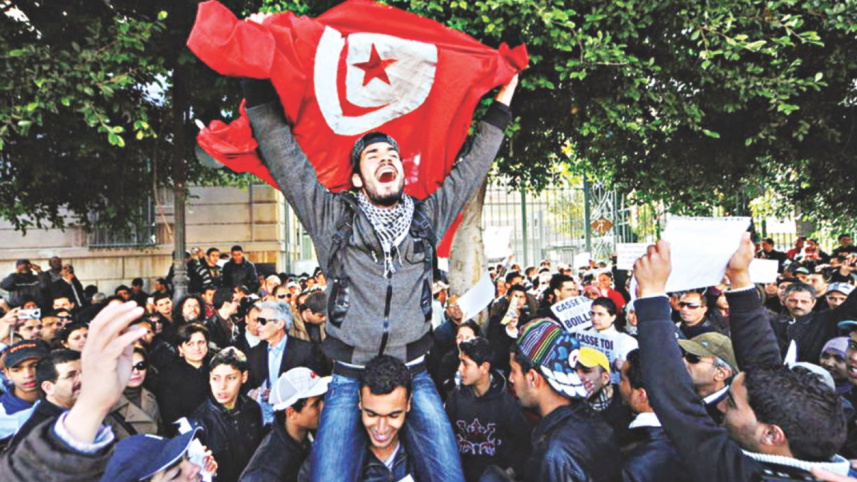
The uprisings, which started in Tunisia, saw leaders toppled in four countries, and led to war in Libya, Syria and Yemen.
The UN says Arab states have faced economic and social stagnation since the uprisings in 2011. The report describes social progress as "grim" and says the rights of citizens have regressed in some countries.
The data also says conflicts have worsened debt, unemployment, corruption and poverty, and exacerbated the refugee crisis.
Economic analysis was done using growth projects made before the uprisings.
Protests in Tunisia acted as a catalyst for revolts and protests in several other Arab states, including Egypt, Yemen, Syria, Bahrain, Libya, Oman, Jordan and Morocco.
Much of the protests centred on calls for more democratic freedoms and an end to corruption. But many Arab protesters were met by violence and strong government crackdowns.
Libya, Yemen and Syria, remain locked in civil wars, which have cost tens of thousands of lives, and have left these countries without a functioning central government.
In Syria, where anti-government protests spiralled into a conflict that has drawn in foreign powers, GDP and capital losses are equal to $259bn since 2011, according to ESCWA's National Agenda for the Future of Syria.
 For all latest news, follow The Daily Star's Google News channel.
Comments