


Bomb Syria regime
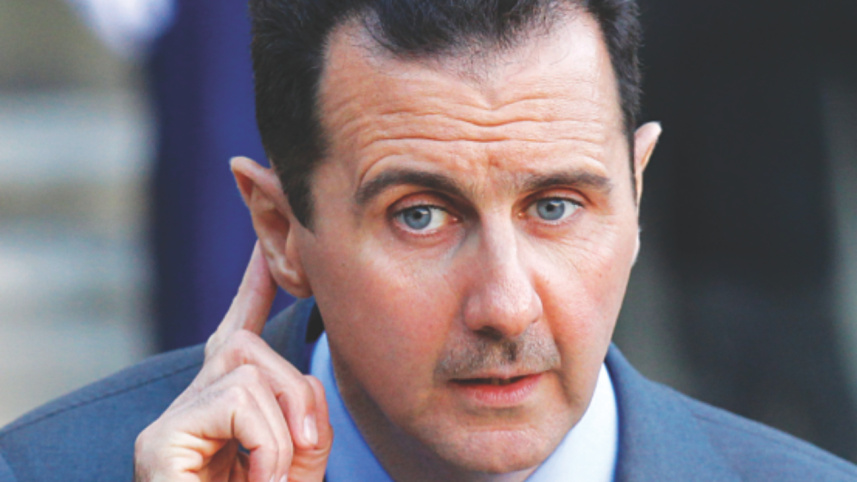
Dozens of US diplomats think America should launch military strikes against the Syrian government, according to a State Department document, breaking ranks with President Barack Obama's policy on the bloody civil war.
The so-called "dissent channel" cable urges attacks against Bashar al-Assad's regime for its persistent violations of a shaky ceasefire aimed at bringing an end to the five-year conflict.

The cable, signed by working-level diplomats, demands "a judicious use of stand-off and air weapons", according to the New York Times, and lays bare the divisions in Washington policy circles.
With only seven months left in office and a clear aversion to getting bogged down in Middle East conflicts, Obama has shown little appetite for such action.
But the administration's alternative policy -- to work with Russia to secure a ceasefire in Syria's five-year civil war and talks on a political transition -- has made little headway.
That policy received a further blow when Assad's Russian allies launched raids in southern Syria, according to the Pentagon.
US policy on Syria has been criticised for ineffectiveness, after five years of brutal internecine fighting that has claimed hundreds of thousands of lives and sent many more fleeing.
The State Department cable says Assad's continued violation of a countrywide partial ceasefire -- a cessation of hostilities -- that was negotiated in February, meant a political settlement was untenable, the Times reported.
Without consequences for the violations, the regime will feel no compunction to talk with moderate opponents, the cable said, with their barrel bombing of civilians the "root cause of the instability that continues to grip Syria and the broader region."
That came hours after US Secretary of State John Kerry warned Moscow that Washington's patience was running out over breaches of the nationwide ceasefire.
The Wall Street Journal said 51 mid- to high-level senior State Department officials signed the memo submitted via the "dissent channel", which allows diplomats who disagree with official policy to lodge concerns without fear of retribution.
 For all latest news, follow The Daily Star's Google News channel.
Comments