


Israel urged to end Gaza blockade
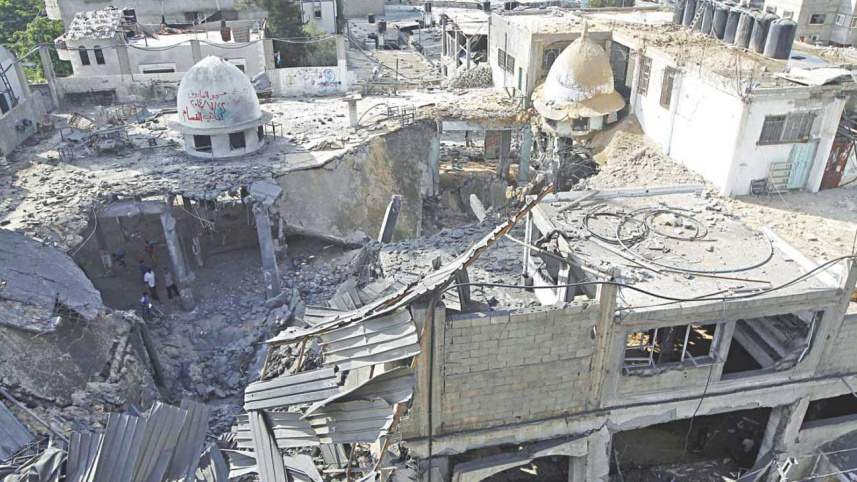
Israel and Palestinians marked one year since last summer's war in Gaza yesterday, with a UN official calling for an end to the "inexcusable" blockade of the territory that has helped prevent rebuilding.
The ceasefire that ended the 50-day war has largely held, but few of the issues that led to the conflict have been resolved and tens of thousands of Gazans remain homeless in the besieged strip.

While there appears to be little appetite for conflict on either side for now, analysts say failing to address the misery of Gazans who have faced three wars in six years will only sow the seeds for future violence.
"The blockade remains in place and its crippling effect on Gaza is undeniable, inexcusable," Robert Turner, operations director in Gaza for UN relief agency UNRWA, told reporters.
He however referred to a small amount of Gazan goods being allowed through for sale in Israel and the occupied West Bank in recent months as a reason for hope.
"I see a real willingness on the part of Israel to address some of its worst impact," Turner said of the blockade, which Israel says is necessary to prevent the import of arms and material to make weapons.
"It is not yet enough. It is not what is required, which is a full lifting of the blockade."
The war took a heavy toll on Gaza, killing 2,251 Palestinians, including more than 500 children. Seventy-three people were killed on the Israeli side, including 67 soldiers.
A UN report released last month said both sides may have committed war crimes during the conflict in and around the impoverished enclave of 1.8 million people.
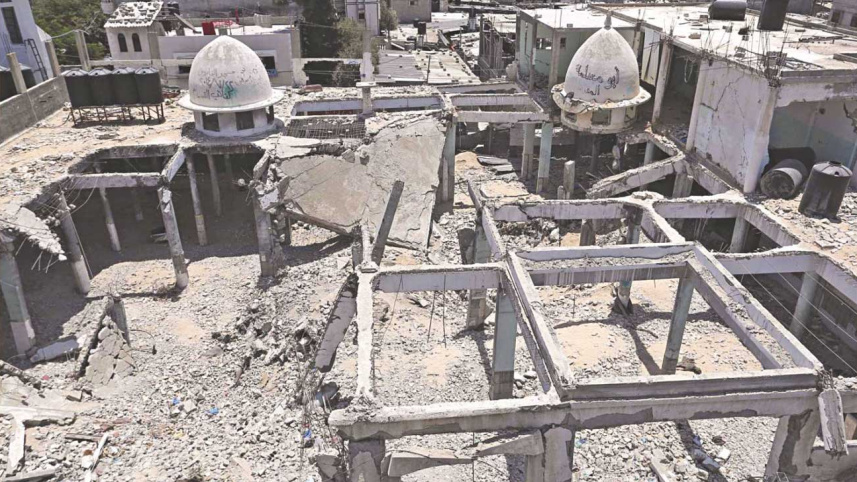
Hamas, the Islamist movement that runs the Gaza Strip, planned commemorations for later Wednesday, but details were not yet clear.
Israel held a memorial on Monday for its 73 victims killed in the war, where Prime Minister Benjamin Netanyahu defended the military offensive.
"I say to all enemies of Israel -- Hamas, Hezbollah, Iran and ISIS (Islamic State) -- that those who attempt to attack our people will pay with their blood," he said.
Indirect talks on shoring up the ceasefire and easing Israel's blockade have taken place, but there have been no signs that a deal could be reached anytime soon.
The blockade, as well as a lack of financing from international donors, have been blamed for the slow pace of reconstruction in Gaza, where around 18,000 homes were destroyed or severely damaged.
 For all latest news, follow The Daily Star's Google News channel.
Comments