


No Arab winner in Gulf crisis
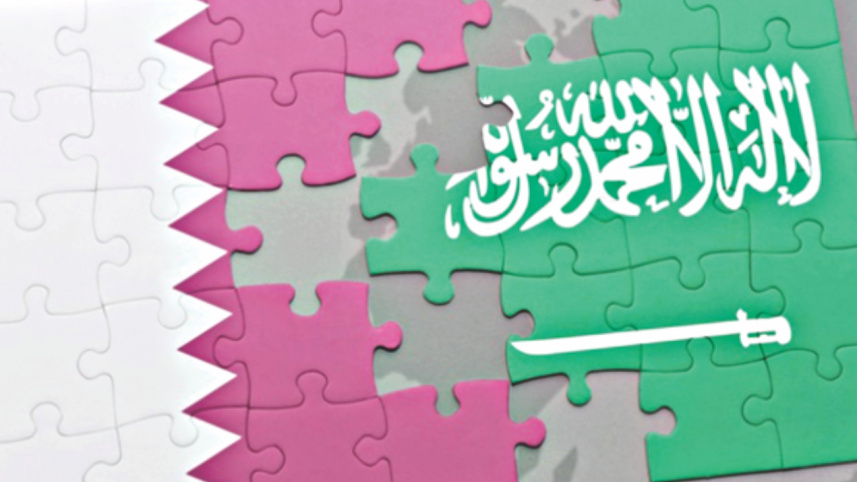
A Saudi-led coalition, including Egypt, the UAE and Bahrain, and several more countries, cut all ties to Qatar in June over allegations that the country funds "terrorism" - an accusation that Qatar denies.
Qatar has been accused of supporting IS, al-Qaeda, and the Muslim Brotherhood, as well as Shia rebels in Saudi Arabia and Bahrain triggering Riyadh and its allies closing its borders with Doha and imposing land, sea, and air embargo with its tiny but rich neighbor.

Political experts believe the rupturing of diplomatic relations between the conflicting parties is an outcome of the long-simmering dispute about their country's distinctive approach to regional affairs.
In a similar move in 2014 Saudi Arabia, Bahrain and the UAE cut ties with Qatar, withdrawing their ambassadors from the country over a period of nine months. But this latest standoff has gone evidently further; this time it also includes trade sanctions.
Given that Qatar's has only land border with Saudi Arabia, the blockade would be strenuous even for a country that has the highest per capita income in the world. Analysts estimate that at least 40 percent of all of Qatar's food supplies are transported across its sole land border with Saudi Arabia.
The emirate is the world's largest producer and exporter of liquified natural gas, but the wealthy emirate also relies heavily on imports for food staples and raw materials.
But analysts say sooner Qatar is expected to find an alternative supplier from the regions or elsewhere but it will be hard for Saudi to find a substitute importer of huge volume goods in years.
Moreover, neither of the Qatar's top export nor top import products ferry through any of its neighboring territory. Similarly Qatar's top import or export partners are also none from the Gulf region. Therefore land, air and seaport closure for Qatar is not expected to have a lasting impact on Qatar or its economy.
On the contrary, Qatar, which hosts the largest US military base in the region, plays a significant role in regional and international politics. Its mediation succeeded bringing the peace and stability in Sudan, forcing the Darfur government and rebel groups return to the peace process. Since 2013, Hamas and Fatah, the two disputed Palestine groups, are negotiating peace talks in Doha. Moreover, Qatar's contribution to the Afghanistan peace process is undeniable.
Threatened by a resurgent Iran and as custodians of the two holy shrines of Islam, Saudi Arabia expects to be the major power in the GCC (Gulf Cooperation Council) and expects others to fall in line behind the Saudi position.
The decision of Saudi Arabia and other nations to cut ties with Qatar was probably motivated largely by the desire to reaffirm Saudi's hegemony in the region and keep Qatar, which is accused of perusing an independent foreign policy agenda, in line.
Some have pointed to President Donald Trump's recent trip to Saudi Arabia as the cause of this most recent break in relations among the Arab and Muslim neighbours.
During the trip, Trump urged leaders of more than 50 Muslim countries to stand up against what he calls "Islamic extremism" and signed a nearly $110 billion arms deal with Saudi Arabia, the biggest in history.
Trump apparent move to take credit for the decision of Gulf nations to cut diplomatic ties with Qatar should be an eye-opener to GCC countries to understand who the real player of the game.
It would be wise for the conflicting parties to sit around the table and resolve their outstanding issues before it is too late.
As far as common wisdom says, the Gulf crisis has no Arab winners. And only time can tell us who will be the real victims.
The writer is General Secretary at Bangladesh Writer Journalist Association, Qatar.
 For all latest news, follow The Daily Star's Google News channel.
Comments