


Top three obstacles
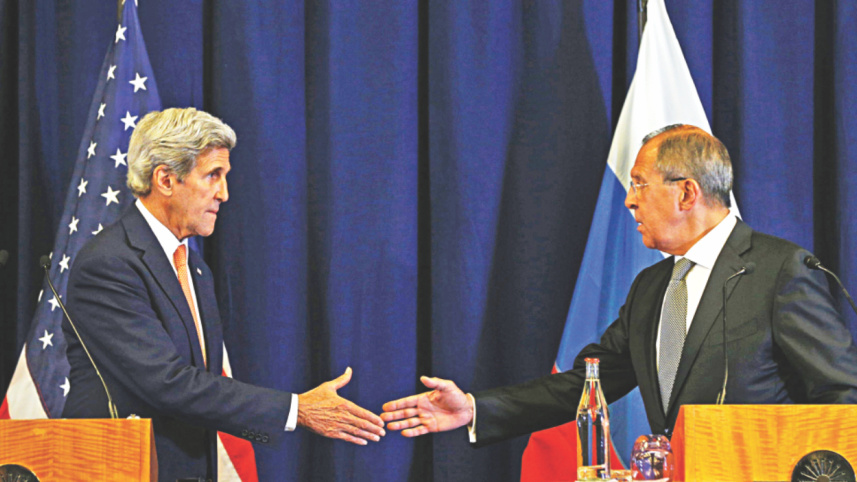
The complex Syria ceasefire deal aims to enforce a cessation of hostilities and increased aid access to desperate civilians, and lays the groundwork for joint US-Russia military action against jihadists. It is the most important development in Syria since the Russian military intervention on 30 September last year. US and Russia should be in a position to persuade or compel their allies and proxies to abide by a truce, however reluctant they may be to do so. But there remains obstacles:
Years of mistrust

Perhaps the most prominent obstacle to the implementation of the deal is deep mistrust between President Bashar al-Assad's forces and rebel groups. After five years of war, each side is sceptical of the other's willingness to adhere to a ceasefire and previously attempted truces have failed. Most recently, a cessation of hostilities brokered by the US and Russia in February led to a drop in violence on major fronts but frayed several weeks later.
Rebel-jihadist alliance
As part of the deal, opposition groups must separate themselves from the powerful jihadists of the Fateh al-Sham Front, which changed its name from Al-Nusra Front after breaking its ties to al-Qaeda. Syria's opposition High Negotiations Committee yesterday said rebels had been forced to ally with jihadists because of the regime's use of siege tactics, but they would break that alliance if the truce held. But experts are more doubtful. Breaking that alliance may mean effectively ceding territory to the regime, they added.
A web of actors
Syria's war has seen the country carved out into zones controlled by competing forces: regime, rebels, Kurds and jihadists. But it has also drawn in a myriad of regional and international powers on different sides of the conflict. The deal won support from Turkey. But steadfast Assad supporter Iran has yet to react. Saudi Arabia is also keeping silence so far. Experts say regional players, specially, Iran's support for the deal is crucial.
 For all latest news, follow The Daily Star's Google News channel.
Comments