


West Mosul bracing for worse
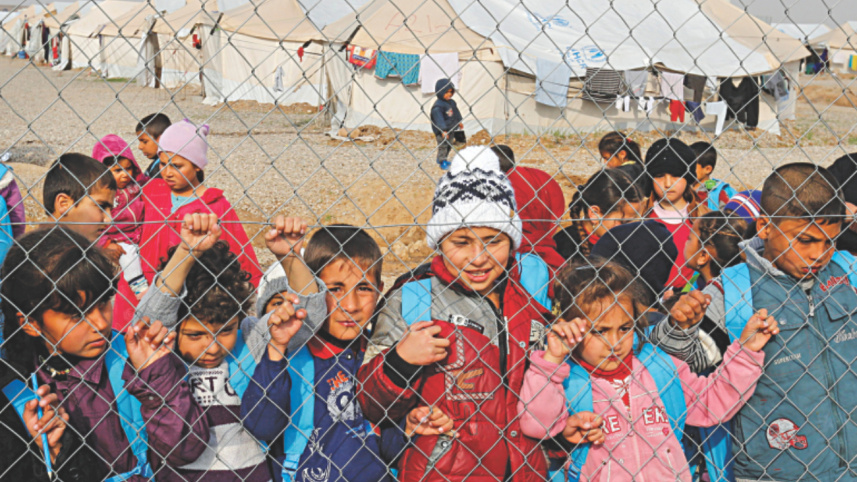
As the noose tightens around holdout jihadists in west Mosul, so does the belt around the waists of hundreds of thousands of Iraqi civilians trapped there with dwindling supplies.
"We're trying to build up some reserves but we have very little food left at home," said Umm Sameer, a mother from the Ras al-Jadda neighbourhood of west Mosul.

After retaking eastern Mosul from the Islamic State group last month, Iraqi federal forces are now preparing to move on the part of the city that lies on the west bank of the Tigris River.
All the bridges connecting the two sides have been dropped and the jihadists holed up in the west have nowhere to run to, setting the stage for what could be Iraq's bloodiest battle yet in the fight against IS.
"We're already only eating once a day," said Umm Sameer.
"The shelves are almost bare in the shops and when you do find something it's too expensive, like a kilo of onions which now costs 15,000 dinars (around $12)," she said.
Umm Sameer said 30 eggs fetched around $50 and sugar was impossible to find, a shortage that affects all households in a country where tea is consumed in large quantities and with abundant sugar.
"People are so desperate that they are using sugar substitutes for diabetics to sweeten their tea," she said.
The jihadist gunmen who have ruled the area for almost three years are growing more paranoid by the day as air strikes by the US-led coalition continue to target their hideouts, residents said.
"(IS) members are raiding people's houses more often, looking for mobiles. If you have one, you face execution," said Abu Mohammed, who lives in the Al-Shafaa neighbourhood.
He said some residents who had secretly kept a mobile phone since 2014 had recently destroyed their device.
None of the residents contacted by AFP by phone would give their full names out of fear.
Abu Mohammed said the only ones not to suffer from the food shortages were IS leaders, many of them foreigners, who still had access to some supplies from Syria.
 For all latest news, follow The Daily Star's Google News channel.
Comments