


Eid away from home
Eid, for most of us, means friends, family, and food. But for many, Eid looks different: phone calls across time zones, homesickness, nostalgic video chats, and attempts at cooking traditional Bangalee dishes.
For these individuals, Eid doesn't just look different; it feels lonelier. After all, how do you truly celebrate when you're thousands of miles away from the people and places that make Eid meaningful? The experience varies vastly depending on local culture and the size of the Muslim community there, but one thing remains constant: it is never quite like home.

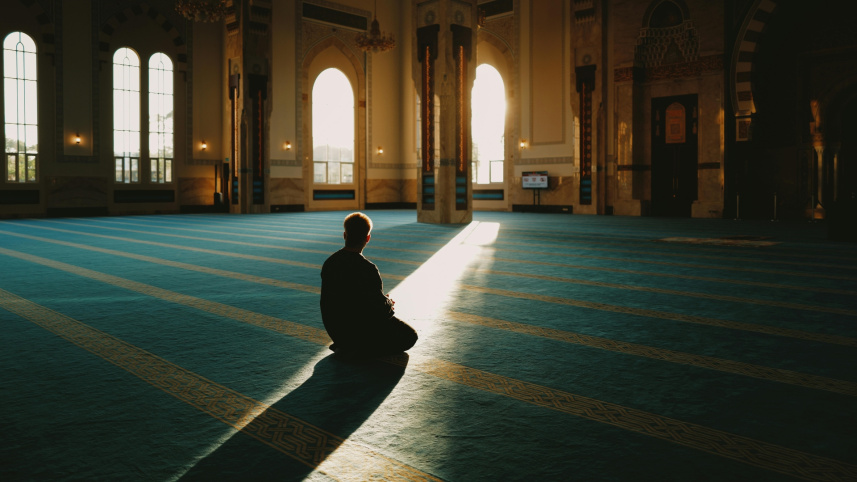
For Ayman*, who is currently studying cybersecurity in Melbourne, Australia, it has been two years since he last celebrated Eid back home. “Eid doesn’t feel like ‘Eid’ here,” says Ayman. “The celebrations are mostly centred around the mosque. I get up early, go for prayers, and then rush off for my day shift, which starts at nine.”
Ayman’s only real support system there is the local Bangladeshi community: “When it is late afternoon, those of us who are free gather at the park. Many of the aunties and sisters of the community bring shemai, sondesh, and other desserts, and we have a little picnic. That is, perhaps, the only moment in the day when Eid truly feels like Eid.”
Many try their best to hold on to these small traditions of making desserts, sending Eid cards, and giving salami as a way of staying tethered to their roots. Eshpa Jannatul, who has been living in the UK with her family for six years, understands the feeling well. “Back home, on Eid morning, our house was filled with guests and friends,” she says. “We would greet each other, have shemai, go to the elders for salami, and play cards at night. I really miss those moments. The sound of my family gathered together in the early hours of Eid morning is something I would do anything to hear again.”
Eshpa adds, “I try my best to make it work here in my own way. My manager is kind enough to give me the Eid day off. I make special Eid dishes with whatever I can manage. Everything is so expensive here. I wear a new dress, go for a picnic with my family, and video call everyone back home. I know Eid will never be the same here, but I try my best to make it feel like home for my family.”
Eshpa also points out that the UK has one of the largest Bangladeshi diaspora communities in the world, so the experience can differ significantly depending on how close you are to your community and how tightly knit it is. The situation is considerably lonelier in countries like China, where Bangladeshi communities are far more scattered.
For Ishtiak Ahmed, who is pursuing electrical and electronic engineering (EEE) at Guangdong University, China, Eid barely registers on the calendar. There are no decorations, no festive atmosphere, and more often than not, no day off. “For most of us, we do not even know it is Eid until our family calls us from back home, says Ishtiak. “Everyone here works like machines. The day just passes like any other.”
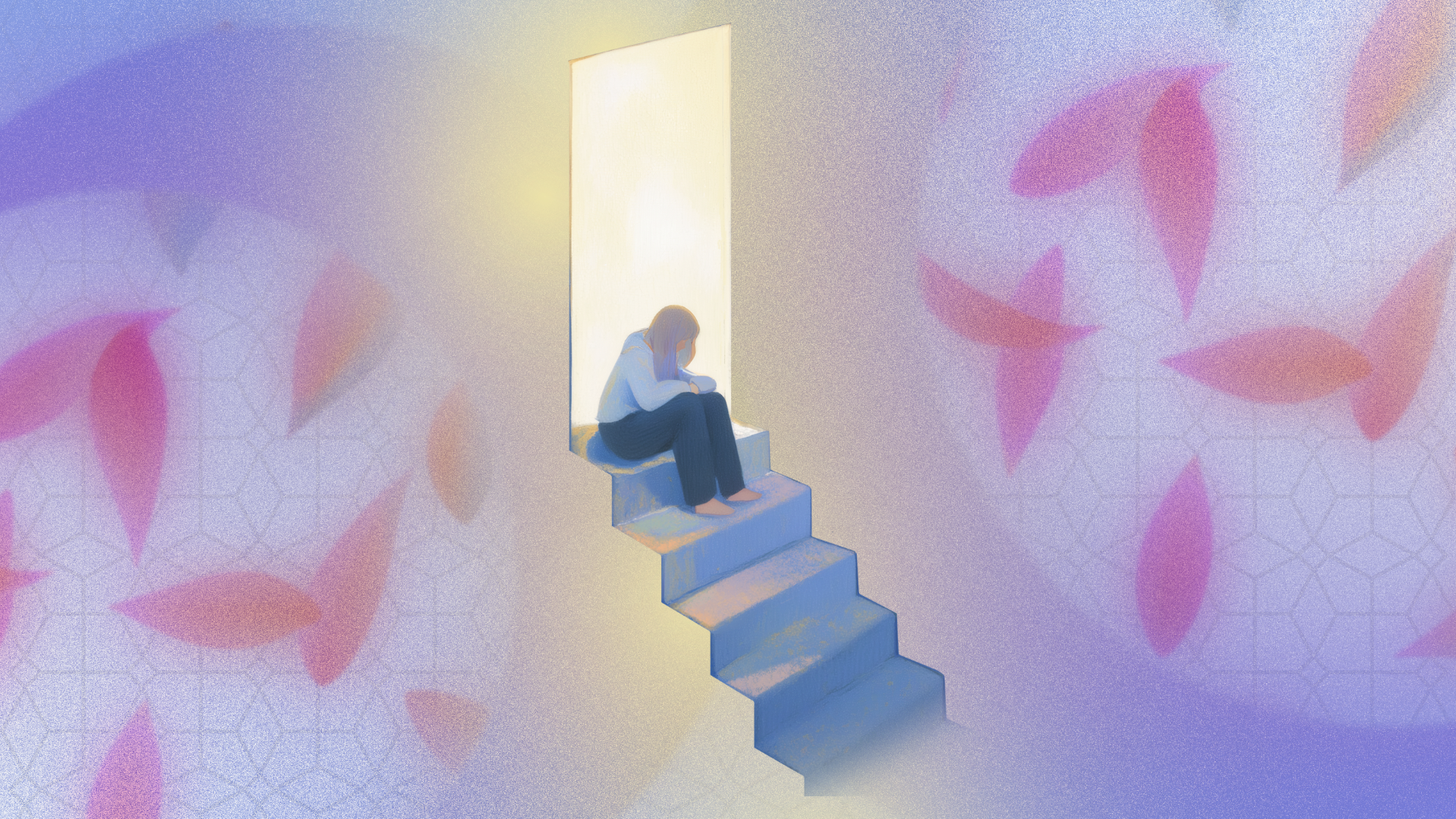
Finding a mosque is already a daily challenge, let alone anything resembling a proper Eid jamaat. “Once, I missed my Eid jamaat because the nearest mosque was hundreds of kilometres away,” Ishtiak adds. “During Eid morning, I try to cook something at home, but it never feels like the dishes my mother used to make.”
The saving grace is a small but close-knit circle of fellow Muslim students. Ishtiak says, “We get together in someone’s dorm room or apartment and bring whatever dishes we can manage. It is not much, but it is something. You hold on to whatever little piece of home you can find.”
That instinct to carve out a little piece of home runs through almost every story. Zahidul Islam Zoha, pursuing a Bachelor of Business Administration (BBA) at Asia Pacific University (APU) in Japan, is celebrating his first Eid away from home, and the anxiety is real. “I do not know what it is going to feel like waking up on Eid morning and not being home,” says Zoha. “I am trying not to think about it too much.”
But Zoha may be luckier than most. APU is home to one of the largest Bangladeshi student communities in Japan, and Eid preparations are already well underway at the time of writing. “This is like a little piece of Bangladesh out here. People are already talking about what to cook and wear,” Zoha adds.
Then there is Farhan Hasnat, studying at New York University Abu Dhabi in the UAE, and his experience is almost like a different story altogether. Abu Dhabi is, after all, a Muslim country. The city does not let you forget that Eid is coming. Streets are decorated with lights weeks in advance, malls erupt in decoration, and the air carries a particular festive electricity.
“You can feel it everywhere,” Farhan says. “The city transforms. It is loud, bright, and festive in a way that no part of Bangladesh has ever felt to me. The city takes on a whole new look altogether.”
And yet, even amid all this celebration, it always feels like something is missing. “The food is different. The culture is different. Emirati Eid and Bangladeshi Eid are not the same thing. I can be surrounded by people celebrating, but I cannot be surrounded by my people celebrating,” Farhan adds.
From the parks of Melbourne to the glittering boulevards of Abu Dhabi, the feeling underneath is remarkably the same. Distance has a way of sharpening what matters most. It is rarely the grand traditions these students miss; it is the small, unremarkable ones.
The Eid morning, the familiar smell drifting from the kitchen, and the bright faces of the little ones looking for salami—these are the elements that make our Eid special, and we tend to forget that until we no longer have them. For those fortunate enough to be spending this Eid at home, surrounded by family, make sure to spend time with them. One day, you might miss this the most.
*Name has been changed upon request.
Irfan spends his time writing, travelling, doomscrolling, and occasionally attending class for a degree he believes will be useful someday. Send him cat reels at: irfan.ink63@gmail.com.
 For all latest news, follow The Daily Star's Google News channel.
Comments