


From “not like other girls” to the intricacies of womanhood
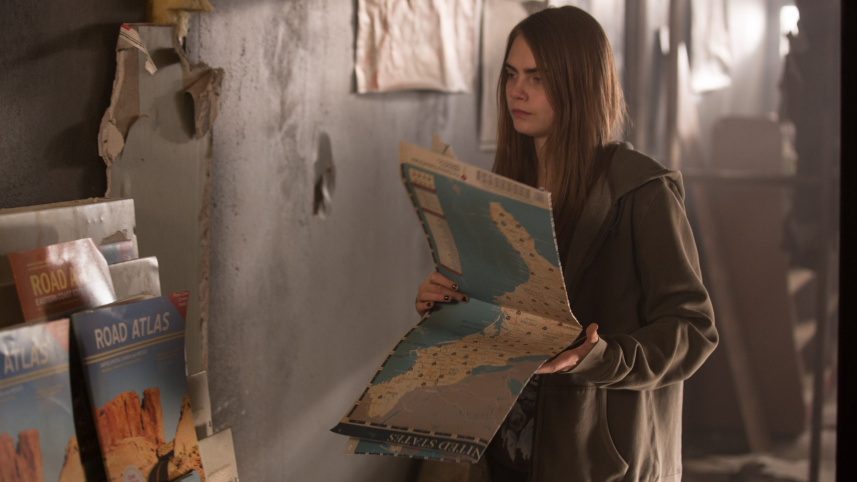
John Green had a chokehold on my preteen years when I first started encountering romance books from the perspective of male protagonists. Compared to the lens of love-struck, submissive female characters I was used to, the women described in Green’s books had an edge to them: they were unconventional, rule-breakers by heart, and most importantly, “not like other girls”. At the time, these traits felt almost intimidating, as though the fantasy of soft, delicate women had reached an expiration date and been replaced by a new ideal of womanhood.
The phrase “not like other girls” appears so frequently across books and cinema that we rarely question what it actually implies. Effy Stonem from the British TV series Skins was one such example: the brooding teen who loved trouble, black eyeshadow, and fish-net stockings. Margo from Paper Towns was another eccentric muse; she spoke in metaphors and Walt Whitman poems. In trying to highlight the individuality of such personalities, “other girls” become a default setting, as though the vast majority of the female population represents one-dimensional, uninteresting women. It also puts female characters on a pedestal for simply being “unique” or “intelligent”, which can appear to be a form of infantilisation at times.

We never really get to know Margo up close. Instead, she represents just enough validation needed for the male protagonist to feel significant. A similar dynamic appears in Sofia Coppola’s The Virgin Suicides; a mere glance or wink from the Lisbon Girls is enough for their admirers to believe they have gained access to the girls’ inner worlds. While painting women as mystical creatures to be deciphered, the depth of their personalities becomes an afterthought.
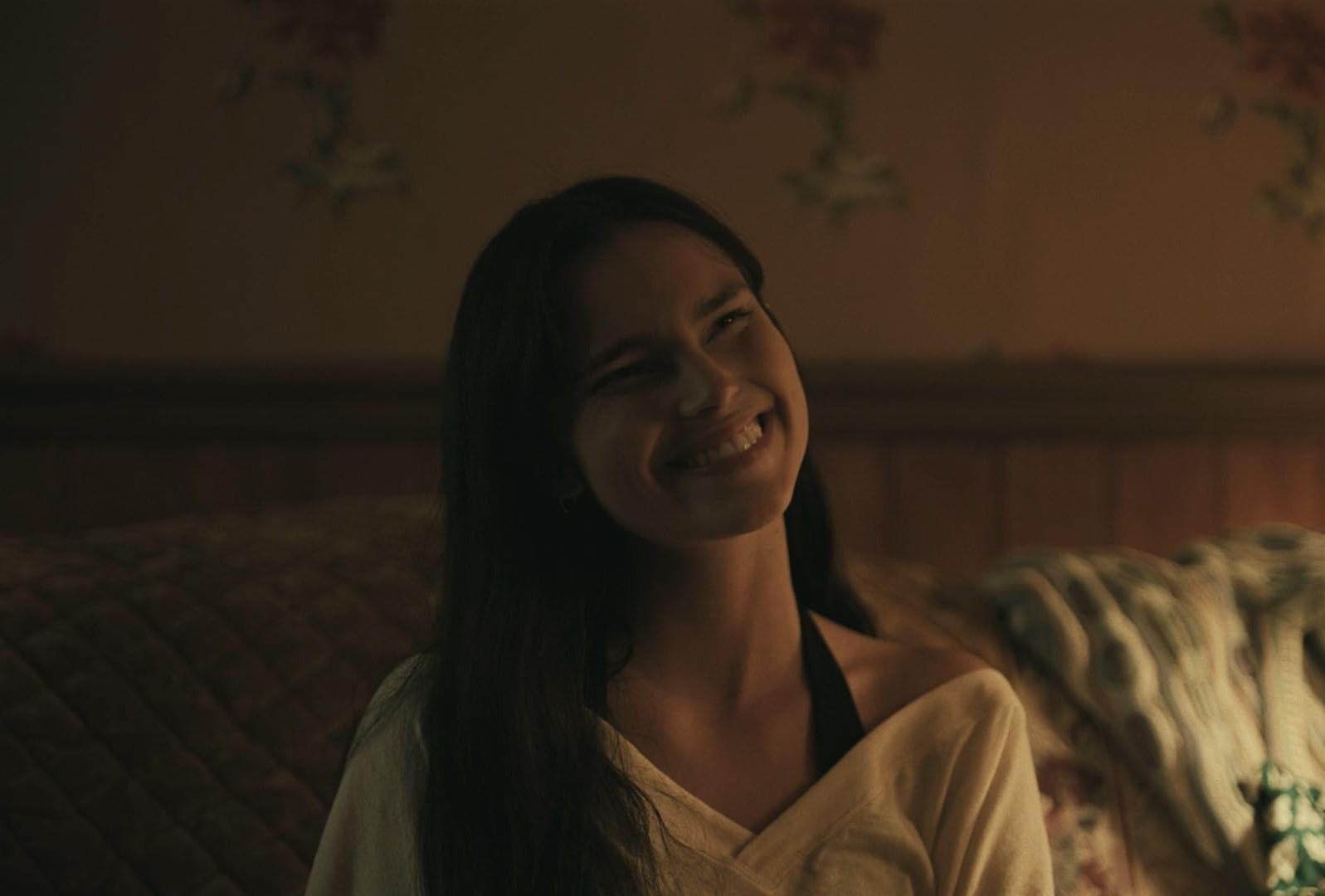
Another recurring message emphasises how women are more beautiful without makeup, often through long descriptions of “natural beauty” or monologues where hating makeup becomes a personality trait. This creates yet another archetype—the effortlessly natural woman—where beauty achieved with too much effort is looked down upon. The receiving end of these quiet messages is often young girls who are discovering femininity in their own ways and absorbing these expectations without fully understanding them.
This pattern continues in contemporary romance as well, where the heroine is often written as practical and “not feminine”, only to be placed into situations like pastel bridesmaid dresses or high-society events. Her discomfort becomes part of the story, which reinforces another template: the girl defined by her rejection of traditional femininity. They’re often seen hating the colour pink and not knowing how to walk in heels.
Outside these stereotypes, women are also positioned in an opposing mould—characters defined by their resistance to convention. Figures like Jo March in Little Women or Katherine Watson in Mona Lisa Smile are frequently framed as outspoken and independent, challenging expectations around marriage, domesticity, and femininity. While these portrayals can be empowering, they’re often shaped around what the characters refuse rather than the complexity of who they are, reducing them, at times, to symbols of rebellion rather than fully lived-in people.
Part of why these characters work so well is because they do appear refreshing at first. The rule-breaker feels like freedom. The girl who doesn’t care about beauty standards feels like a relief. Even the mysterious, unreadable girl feels more interesting than the emotional, love-struck ones we’re accustomed to. When I first came across them, they felt like a rejection of everything I thought femininity was supposed to be. But the more you look at them, the more you realise that even this “freedom” is its own stereotype, just in a different form.
What gets lost in all of this is the idea of women who aren’t symbols of anything at all. Women who aren’t meant to stand for rebellion, or mystery, or effortlessness, or even “ordinary” simplicity. Just people who exist without needing to be compared or defined against something else. There’s very little space in these stories for femininity that is messy, inconsistent, or unremarkable in a way that is still fully human.
As a woman myself, I would say we’re complicated beings. We can feel too much or nothing at all. We can go out bare-faced or fully glammed, depending on the day. We find our way back to the colour pink, be married or unmarried feminists, and be ambitious troublemakers without existing as the catalyst for someone else’s emotional awakening. We can be Jo, Margo, or even Effy on a good day for a smoky eye—but never just one of them. We are often written as contradictions or combinations of these archetypes, but maybe womanhood is not something that can be forced into a box at all.
Zara Zubayer is a half-pianist, occasional grandma (she knits), and a collector of instruments she never learns. Suggest a new hobby she won’t commit to at @zarazubayer1@gmail.com
 For all latest news, follow The Daily Star's Google News channel.



Comments