


Kurigram to introduce temporary cards to ensure fertiliser reaches genuine farmers

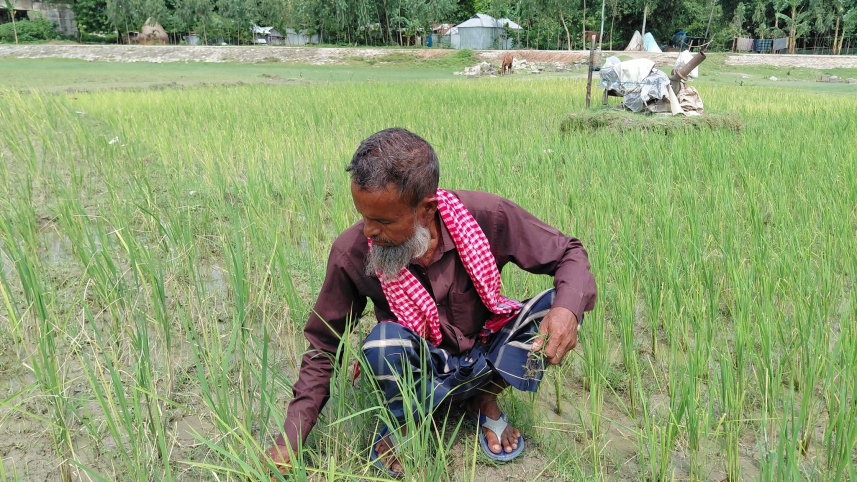
The Department of Agricultural Extension (DAE) has decided to introduce temporary ‘Soil Health Protection Cards’ for farmers in Kurigram to ensure fertiliser reaches genuine farmers during the upcoming Robi season, from mid-October to mid-March.
Preparations for the cards have begun, with farmer registration already underway in Chilmari upazila, according to the DAE officials.

The agriculture department said the initiative aims to bring discipline to fertiliser distribution and prevent people posing as farmers from collecting fertiliser for black-market sales.
The move comes amid widespread complaints over fertiliser distribution during the ongoing Aman season, including alleged collusion between block supervisors, dealers and retailers and the collection of fertiliser by non-farmers.
Protests have been held in several upazilas, while there have also been incidents of people taking fertiliser from dealers' warehouses, blocking roads and attacking agriculture officials. Even additional allocations beyond regular monthly quotas have failed to fully ease the situation.
Kurigram has around 584,000 farmers. The last nationwide list of farmers was prepared in 2014, and it has not been updated since.
According to the DAE, block supervisors are preparing lists of genuine farmers before the cards are issued. Each card will contain the farmer's photograph, name, address, NID number and details of land owned or cultivated. The quantity of fertiliser supplied, crop name and distribution date will also be recorded on the card.
Abdullah Al Mamun, deputy director of DAE in Kurigram, said fertiliser is currently distributed based only on NID cards, allowing non-farmers to collect it.
“During the upcoming Robi season, fertiliser will be distributed among farmers through ‘Soil Health Protection Cards’ prepared on the basis of a specific list. This will prevent anyone other than genuine farmers from collecting fertiliser,” he said.
Agriculture officials said some low-lying char lands along the Brahmaputra have become suitable for cultivation this year due to the absence of flooding. Farmers have started late Aman and early vegetable cultivation, increasing fertiliser demand.
The government allocated an additional 1,000 tonnes of urea, 32 tonnes of TSP and 300 tonnes of DAP for Kurigram in September. The district also received regular allocations of 4,644 tonnes of urea, 1,910 tonnes of DAP, 1,326 tonnes of MOP and 700 tonnes of TSP.
Bazlar Rahman, 65, a farmer from Chilmari's Thanahat area, said the cards would help genuine farmers get fertiliser if they were distributed properly.
“The agriculture department and administration must remain very vigilant and closely monitor the process. We want to get fertiliser according to our needs. We want to grow crops. We want to contribute to the development of the country,” he said.
Jahangir Hossain, 55, a farmer from Bhurungamari's Bangasonahat village, said they had heard about the cards but had yet to receive one.
“No one will be able to sell fertiliser on the black market at inflated prices. The agriculture department must take full responsibility for the process so that the ‘Soil Health Protection Card’ truly plays a role in protecting soil health,” he said.
Mamun reiterated that the cards would not be issued to anyone other than genuine farmers.
 For all latest news, follow The Daily Star's Google News channel.
Comments